


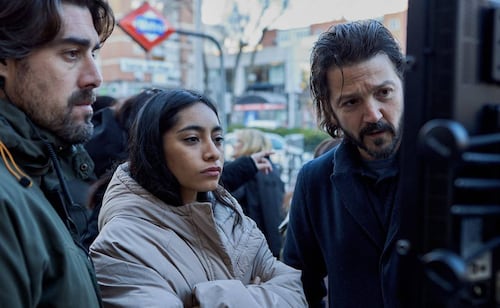
Diego Luna to debut as director at Morelia Film Festival with migration film
Translated from Spanish, summarized and contextualized by DistantNews.
At a glance
News
Sources not specified
Context piece
- Diego Luna will compete as a director for the first time at the Morelia International Film Festival with his film "Ceniza en la boca."
- The film addresses the issue of migration to Spain.
- The festival will feature over 90 productions from 17 Mexican states, with a significant number directed by women and individuals from indigenous communities.
Diego Luna is set to compete as a director for the first time at a Mexican film festival, showcasing his latest film, "Ceniza en la boca" (Ash in the Mouth), at the Morelia International Film Festival (FICM). The movie focuses on the complex issue of migration to Spain.
The festival announced its official feature and short film selections, with "Ceniza en la boca" vying for an award in the Fiction Feature category. This category also includes eleven other titles, such as "La cazadora" (The Huntress), about an anonymous avenger in Ciudad Juárez, which premiered at Sundance; "Chicas tristes" (Sad Girls), a winner at Cannes; "6 meses en el edificio rosa con azul" (6 Months in the Pink and Blue Building), also presented at Cannes; and "Los nuevos" (The New Ones), currently screening at Locarno.
The documentary section features 12 feature films, including "Jaripeo," which explores the gay community within that environment, and "Querida Fátima" (Dear Fátima), about the murder of a teenager in the State of Mexico, a film that won top honors at the recent Guadalajara International Film Festival.
This year's FICM competition will showcase over 90 productions from 17 states across Mexico. Notably, four out of every ten participating works are directed by women, and four of the total entries are by directors from indigenous communities. Winners in the Fiction, Animation, and Documentary short film categories, as well as the winner of the Mexican Feature Documentary award, will be automatically eligible for Oscar nominations.
DistantNews Editorial
Originally published by El Universal in Spanish. Translated, summarized, and contextualized by our editorial team with added local perspective. Read our editorial standards.
More Stories


From Our Blog

What Press Freedom Means for the News You Read

What Gets Lost (and Found) When News Is Translated

The Critical Role of Diaspora Media in Global News

What Travellers Should Know About Countries with Restricted Press

A Digital Nomad's Guide to Following Local News
