


Digitalizing Constitution: Kazakhstan Expands Access to its New Legal Framework
Summarized and contextualized by DistantNews.
At a glance
News
Named sources
New plan
- Kazakhstan's Constitutional Court has launched audio and video versions of the new Constitution to enhance public access to legal information.
- The new Constitution, adopted in a March referendum and effective July 1, reforms the political system towards a more balanced presidential republic.
- Key changes include a unicameral legislature, the Kurultai, and a restored vice president position, alongside a focus on human rights and digital protections.
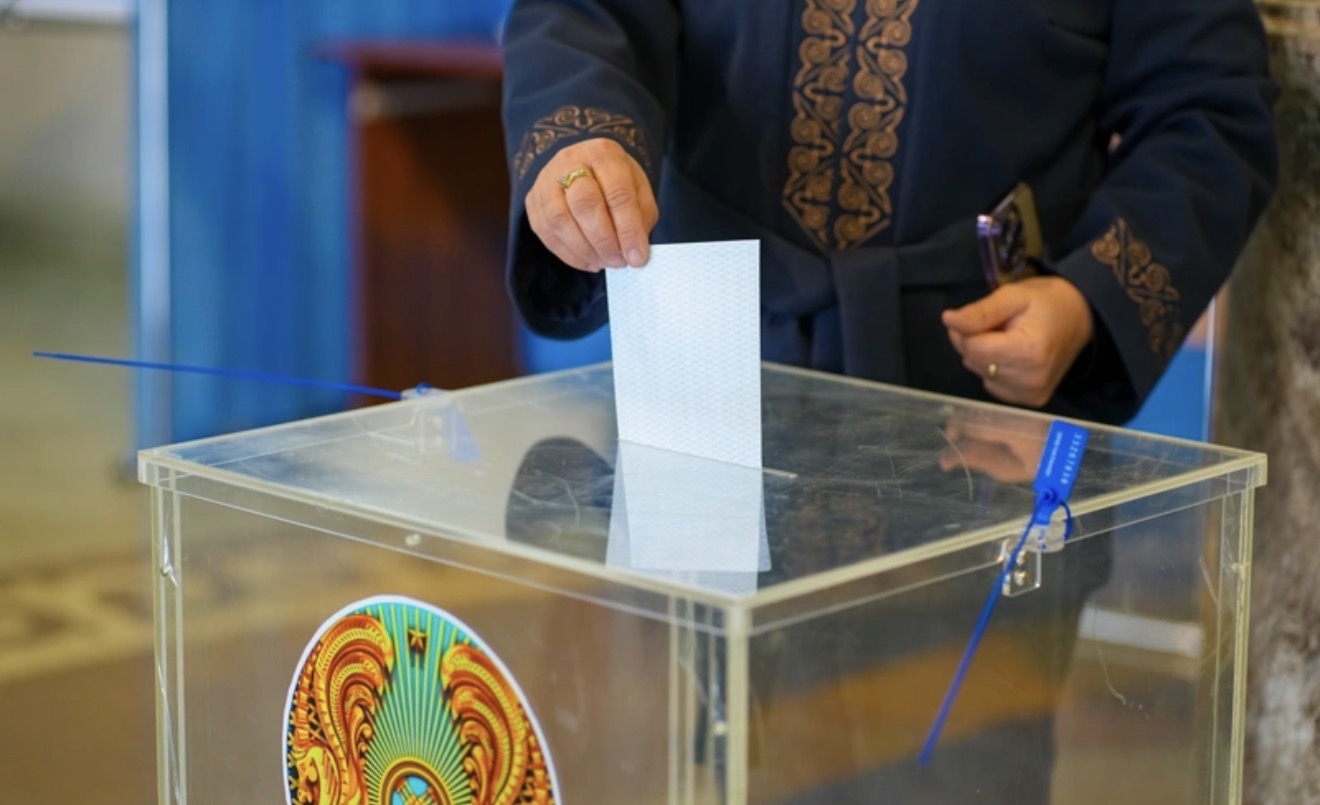
Kazakhstan is enhancing access to its newly adopted Constitution by releasing audio and video versions in Kazakh and Russian, aiming to make the fundamental law more accessible to all citizens. The Constitutional Court launched these formats on July 23, with a full video version also available on its official social media platforms.
The initiative is designed to ensure broader and more equal access to the country’s fundamental law.
This initiative supports the broader goal of ensuring equitable access to legal information, particularly benefiting individuals with visual impairments or those who prefer auditory learning. The new Constitution, which replaced the 1995 version, was approved by a nationwide referendum on March 15 and officially came into force on July 1. It comprises a Preamble, 11 sections, and 96 articles.
The reforms introduce significant shifts in Kazakhstan's political structure, transitioning from a super-presidential model to a more balanced presidential republic with a strengthened Parliament. These changes are designed to redistribute state powers, improve institutional checks and balances, and increase government accountability. President Kassym-Jomart Tokayev highlighted that the new framework builds upon past achievements while adapting to contemporary political, economic, and technological realities.
The audio format provides an accessible option for people with visual impairments and for citizens who prefer to receive information through listening.
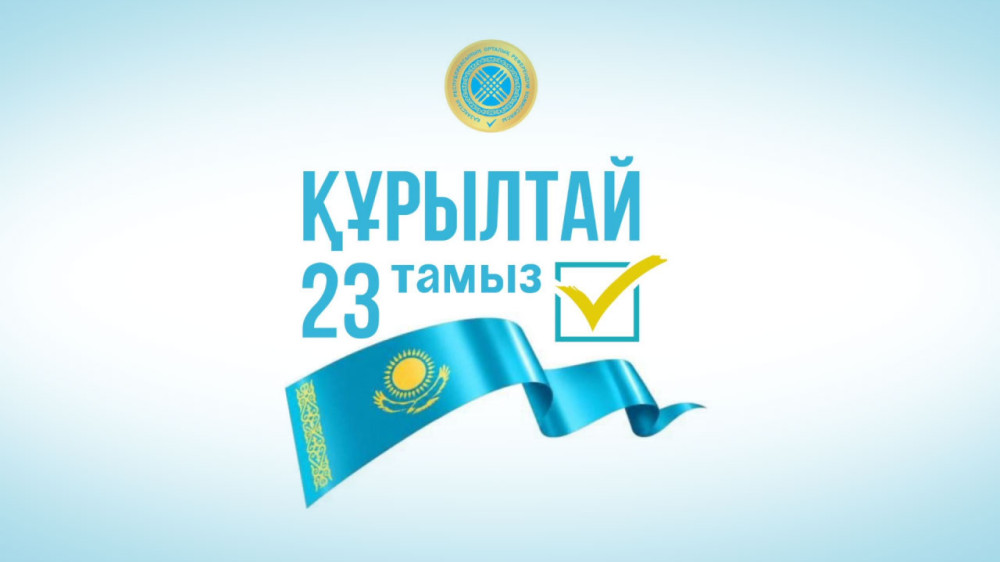
Among the key institutional changes is the establishment of a unicameral legislature, the Kurultai, which will possess enhanced oversight capabilities over the government. Elections for the Kurultai are scheduled for August 23. Additionally, the position of vice president has been reinstated to ensure a clear succession plan. A new consultative body, the People's Council (Halyk Kenesi), has also been created to foster public participation and advise on national unity and social development.
The reform introduces significant changes to Kazakhstan’s political system, aimed at moving from a super-presidential model toward a more balanced presidential republic with a stronger Parliament.
The revised Constitution places a strong emphasis on human rights, freedoms, and social guarantees, designating education, science, innovation, and environmental protection as strategic priorities. It also reaffirms Kazakhstan's secular identity, supports cultural heritage preservation, and strengthens protections for family and social values.
President Kassym-Jomart Tokayev emphasized that the new Constitution builds on Kazakhstan’s achievements over the past three decades while adapting the country’s governance system to new political, economic and technological realities.
DistantNews Editorial
Originally published by The Astana Times. Summarized and contextualized by our editorial team with added local perspective. Read our editorial standards.
More Stories
From Our Blog

What Gets Lost (and Found) When News Is Translated

The Critical Role of Diaspora Media in Global News

What Travellers Should Know About Countries with Restricted Press

A Digital Nomad's Guide to Following Local News

How the Same Story Looks Different in Different Countries
