

Kurultai Elections, Week in Review: Candidates Make Their Pitch to Voters
Summarized and contextualized by DistantNews.
At a glance
News
Sources not specified
Ongoing story
- Seven political parties are campaigning for Kazakhstan's Kurultai elections on Aug. 23, presenting distinct policy proposals.
- Parties overlap on economic growth, healthcare, and governance, but emphasize different priorities like housing, job creation, and digital transformation.
- Key proposals include expanding housing, improving healthcare, creating jobs, modernizing infrastructure, and integrating AI into education.
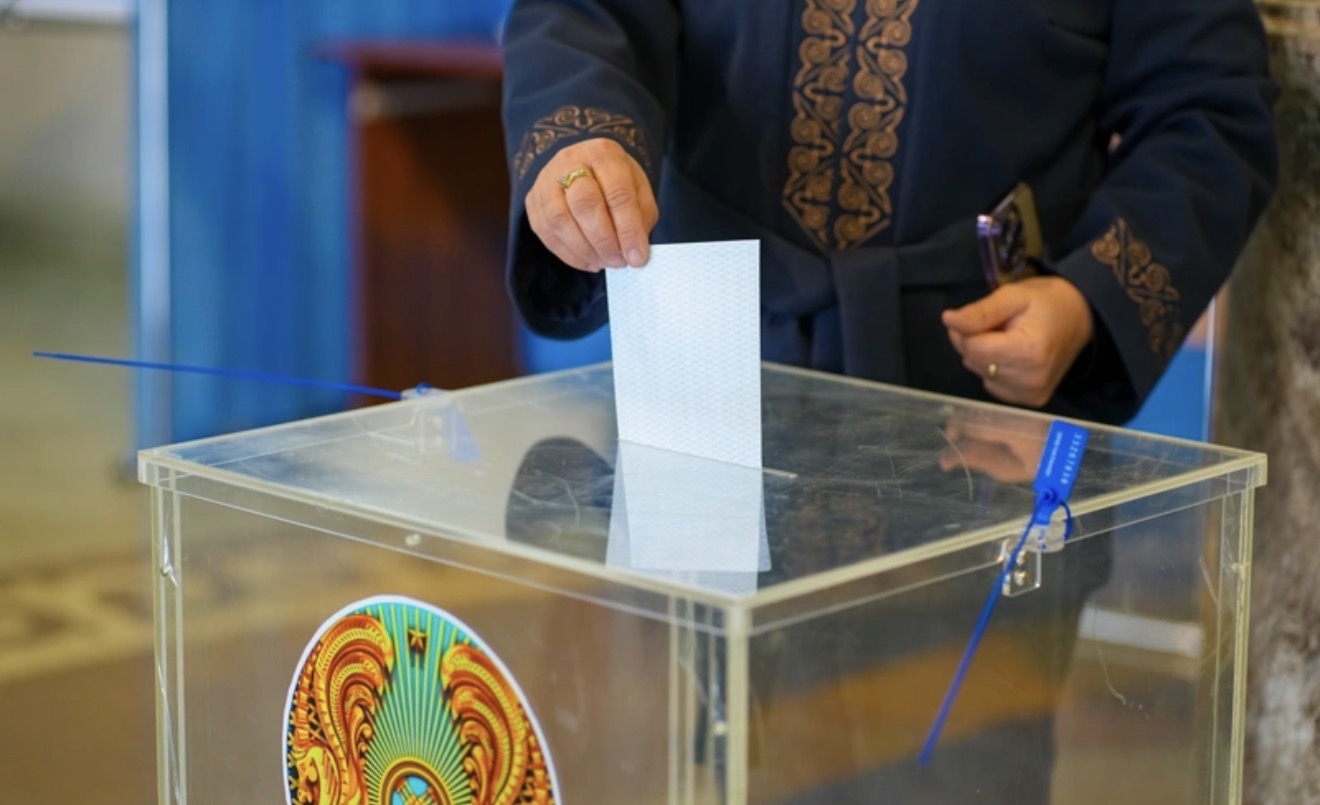
Kazakhstan is gearing up for its Kurultai elections on August 23, with seven political parties actively campaigning and presenting their visions for the nation's future. While common ground exists on issues like economic growth, healthcare, and governance, each party distinguishes itself with unique policy goals and ideological stances.
The Adilet Party, recently merged with Amanat, has laid out a comprehensive platform with seven strategic goals and 10 policy priorities through 2031. Their focus is on measurable results, aiming to expand housing, improve healthcare, create one million formal jobs, and boost the share of medium-sized businesses. Specific targets include increasing average housing space, relocating residents from unsafe housing, and completing unfinished housing projects. In healthcare, Adilet aims to raise life expectancy above 77 years and reduce cardiovascular disease mortality by 5%. Infrastructure modernization is also a major pillar, with plans to upgrade local roads, provide high-speed internet to rural areas, and invest heavily in utility networks. A significant push is also planned for digital transformation, including AI training for millions of Kazakhs and integrating AI into educational curricula. The party also advocates for stricter fiscal discipline, limiting National Fund withdrawals to president-approved infrastructure projects.
The Aq Jol Democratic Party champions democratic governance, market reforms, and strengthened parliamentary institutions. They propose expanding the Kurultai's oversight powers, including the ability to conduct investigations and exert greater control over state finances. Aq Jol also advocates for forming a coalition government involving all parliamentary parties. Economically, the party favors liberalization, increased competition, reduced state intervention, lower import duties for domestic industries, and targeted social assistance. Electoral reform, anti-corruption measures, and greater transparency in pension and health insurance funds are also on their agenda.
The Auyl Party's platform, meanwhile, centers almost exclusively on strengthening rural Kazakhstan, though details were not fully elaborated in the provided text. The diverse platforms reflect the varied approaches parties are taking to address the nation's challenges and aspirations.
DistantNews Editorial
Originally published by The Astana Times. Summarized and contextualized by our editorial team with added local perspective. Read our editorial standards.
More Stories

From Our Blog

What Gets Lost (and Found) When News Is Translated

The Critical Role of Diaspora Media in Global News

What Travellers Should Know About Countries with Restricted Press

A Digital Nomad's Guide to Following Local News

How the Same Story Looks Different in Different Countries
