

Digitizing Pakistan's Heritage Reveals Deep Institutional Failures
Translated from English, summarized and contextualized by DistantNews.
At a glance
News
Sources not specified
Context piece
- Digitizing artifacts in Pakistan's Lahore and Taxila museums is preserving cultural heritage but also exposing deep-seated bureaucratic failures and neglect.
- The project, part of a World Bank-funded tourism initiative, highlights how institutional issues, not just technology, determine the success of digital archives.
- Decades of lacking professional leadership and eroding expertise have made heritage preservation a complex challenge beyond mere technical solutions.
The ambitious digitization of Pakistan's Lahore and Taxila museums, aiming to create a comprehensive digital record of millennia of South Asian history, is more than a technological undertaking. It is a stark illustration of the bureaucratic failures, institutional neglect, and governance challenges that have long imperiled the nation's cultural heritage.
While the process involves procuring high-resolution cameras and building cloud databases, its success hinges on navigating complex institutional histories and professional anxieties. For over two decades, the Lahore Museum has lacked professional leadership, and the Taxila Museum has had limited authority over its reserve collection for 16 years. This, coupled with a steady erosion of specialized expertise in collections management and conservation, has transformed technology-driven projects into exercises in institutional uncertainty.
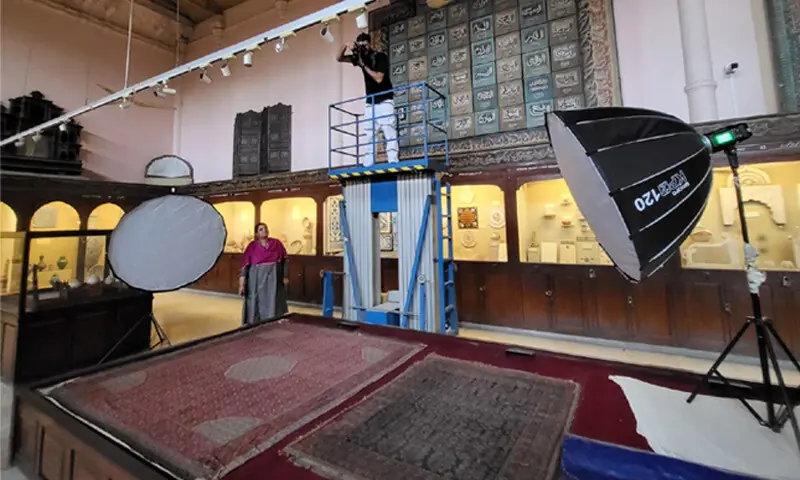
Digitising a museum collection is often framed as a technical challenge. Procure high-resolution cameras and scanners, hire trained photographers and scanning technicians, build databases and upload images to the cloud. In Pakistan, however, museum, archive and heritage digitisation is as much about navigating governance structures, institutional histories and professional anxieties as it is about the technology being used.
The digitization, funded by a World Bank loan for tourism infrastructure development, is being carried out by the Citizens Archive of Pakistan (CAP). This initiative aims to preserve thousands of priceless artifacts, from Gandharan sculptures to colonial-era items, many of which have remained inaccessible, poorly documented, and vulnerable. The project's success underscores that digital archives depend as much on the people and institutions overseeing the collections as on the cameras and computers used.
While the digitisation process of the Lahore and Taxila museums is helping preserve thousands of priceless artefacts, it has also revealed the bureaucratic failures, institutional neglect and governance challenges that have long threatened the nation’s cultural heritage.
DistantNews Editorial
Originally published by Dawn in English. Translated, summarized, and contextualized by our editorial team with added local perspective. Read our editorial standards.
More Stories



From Our Blog

What Gets Lost (and Found) When News Is Translated

The Critical Role of Diaspora Media in Global News

What Travellers Should Know About Countries with Restricted Press

A Digital Nomad's Guide to Following Local News

How the Same Story Looks Different in Different Countries
