


Dino-Killer Meteorite Identified, Butterfly Count Underway, Invasive Beetle Threatens Ash Trees
Translated from German, summarized and contextualized by DistantNews.
At a glance
News
From a news agency
Context piece
- Scientists identified the dinosaur-killing meteorite as a dry, primitive CO-chondrite from Jupiter's vicinity.
- Austria is holding a butterfly count from July 20 to August 9, encouraging citizens to use an app to record sightings.
- A destructive Asian emerald ash borer beetle has entered the EU, threatening ash trees already stressed by disease.
A recent scientific analysis pinpointed the meteorite that wiped out the dinosaurs 66 million years ago as a primitive CO-chondrite originating from near Jupiter. This finding, based on comparing nickel isotopes, refines earlier research that identified the impactor as a "carbonaceous chondrite."
Meanwhile, citizen scientists in Austria are invited to participate in the "Great Butterfly Count" from July 20 to August 9. Using the "Butterflies of Austria" app, individuals can record butterfly sightings for 15 minutes in sunny locations. The data collected will contribute to global biodiversity databases and research by the Tyrolean State Museums.
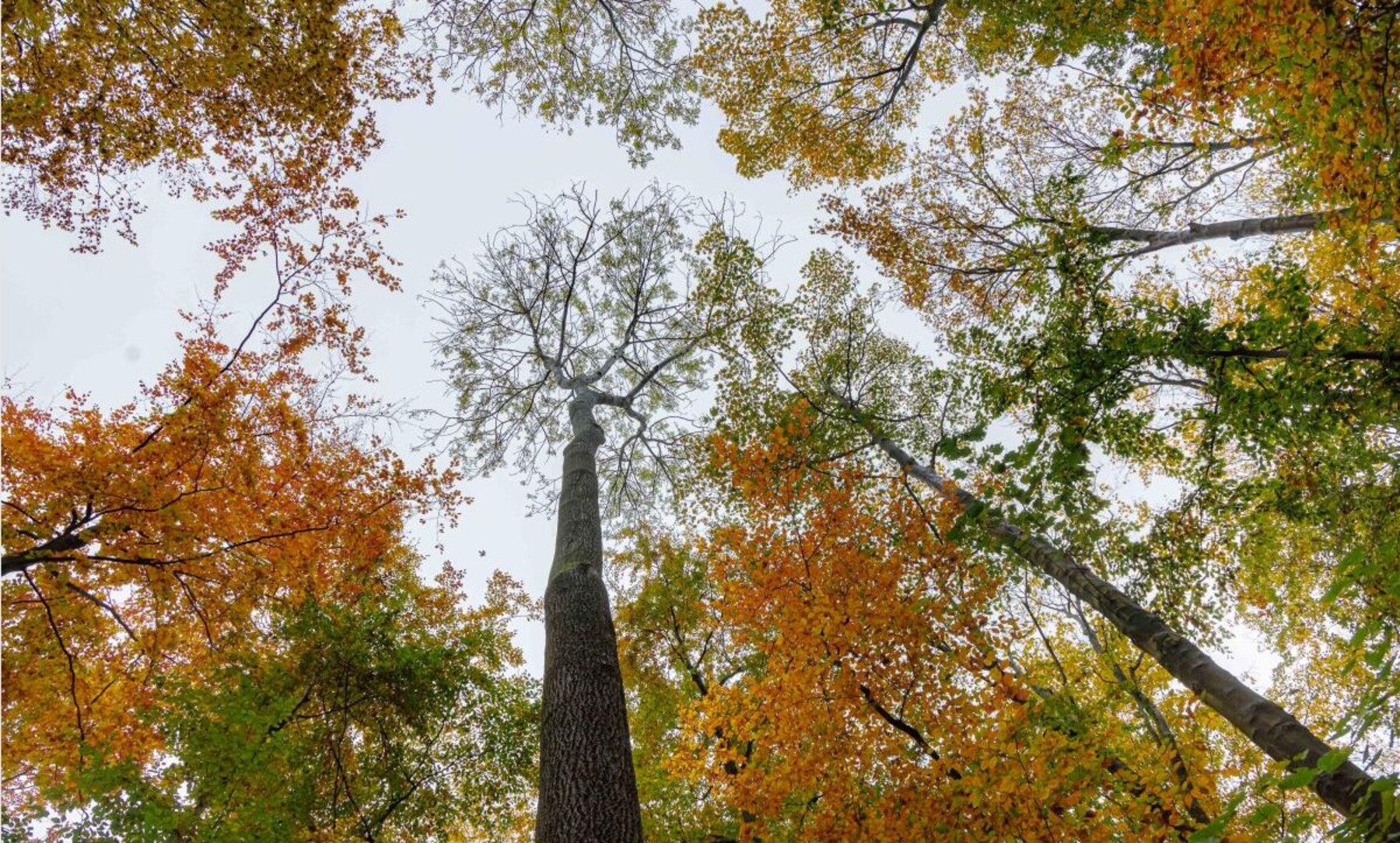
Adding to environmental concerns, the emerald ash borer, an invasive beetle from Asia and Eastern Europe, has been detected in the European Union. First found in Hungary, this destructive pest, known for killing thousands of ash trees in North America and Russia, poses a significant threat to European ash populations already weakened by ash dieback disease. The EU has implemented emergency quarantine measures.
DistantNews Editorial
Originally published by Die Presse in German. Translated, summarized, and contextualized by our editorial team with added local perspective. Read our editorial standards.
More Stories



From Our Blog

What Gets Lost (and Found) When News Is Translated

The Critical Role of Diaspora Media in Global News

What Travellers Should Know About Countries with Restricted Press

A Digital Nomad's Guide to Following Local News

How the Same Story Looks Different in Different Countries
