

Diplomacy, not just beaches, drives Turkey's booming tourism
Translated from English, summarized and contextualized by DistantNews.
At a glance
Analysis
Sources not specified
Context piece
- Turkey welcomed over 62 million visitors last year, generating nearly $61 billion in tourism revenue.
- While advertising and pricing are often cited, diplomacy plays a crucial, often overlooked role in tourism figures.
- Geopolitical events, such as diplomatic crises or sanctions, can rapidly impact travel patterns and destination choices for millions.
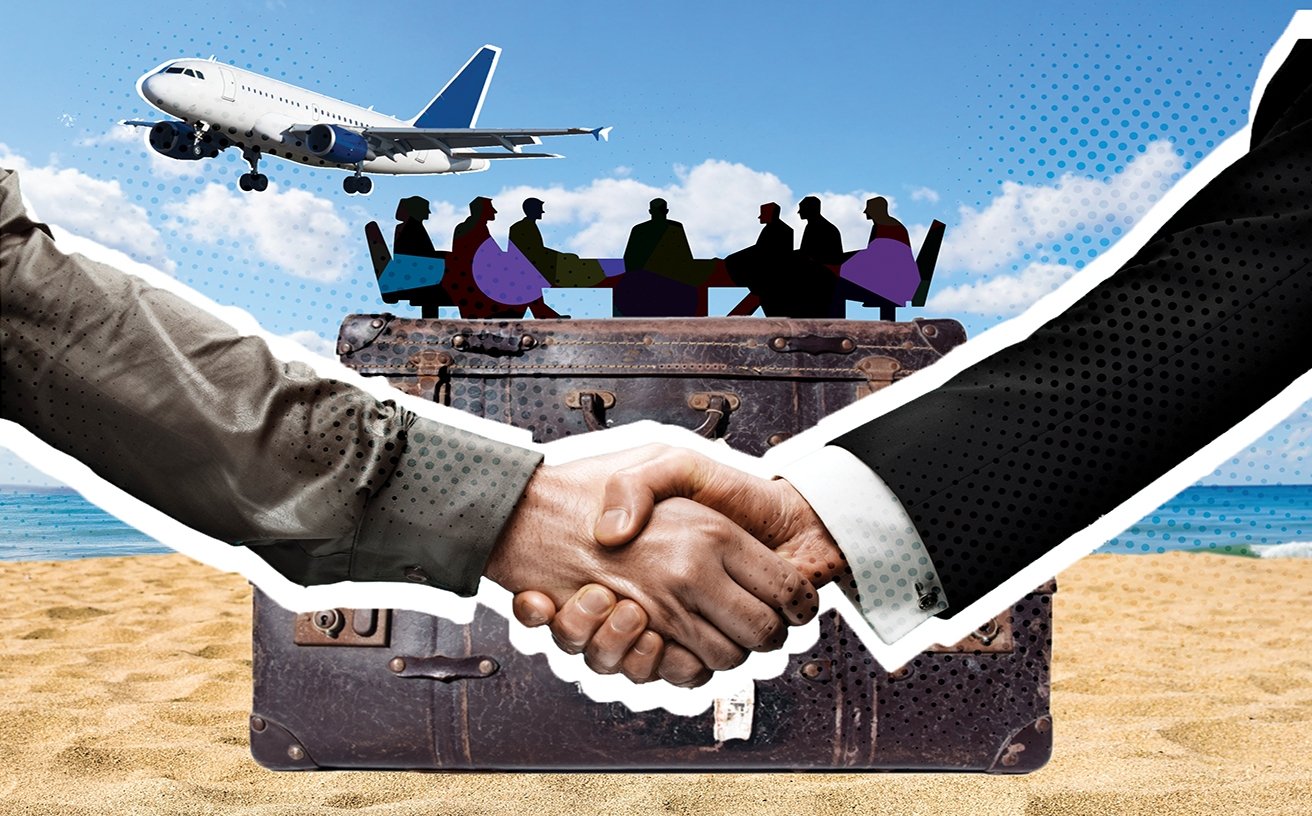
Turkey's tourism sector experienced a robust performance last year, attracting more than 62 million visitors and generating close to $61 billion in revenue. While factors like advertising, pricing, and capacity are frequently discussed within the business community, a foreign policy expert highlighted the significant, yet often underestimated, influence of diplomacy on these numbers.
The article posits that tourism and foreign policy, though typically covered in separate sections of a newspaper, are deeply intertwined in practice. Government announcements about new partnerships or improved relations may not be read by holidaymakers, but the resulting atmosphere of calm or unrest, reflected in headlines and media coverage, directly influences travel decisions.
Historical events illustrate this connection. Following Turkey's downing of a Russian military aircraft in November 2015, Russian arrivals plummeted from approximately 3.65 million in 2015 to fewer than 900,000 the next year. Hotel and restaurant owners in Antalya were directly affected by the diplomatic crisis, experiencing mass cancellations and uncertainty about the future.
Conversely, improved relations and the resumption of flights led to a recovery, with Russian arrivals reaching nearly 7 million by 2019. More recently, sanctions and airspace restrictions made many European destinations inaccessible to Russian travelers, leading them to choose Turkey, which remained a viable option. Around 6.7 million Russians visited in 2024, re-establishing Russia as Turkey's largest tourism market.
The piece also touches upon how geography can inadvertently link neighboring countries in the minds of international travelers. For instance, conflict in Iran might affect perceptions of neighboring Turkey, even if Turkey is not directly involved. Tourism professionals often observe these shifts early, as conversations within hotels begin to reflect the changing geopolitical landscape and its impact on potential visitors.
DistantNews Editorial
Originally published by Daily Sabah in English. Translated, summarized, and contextualized by our editorial team with added local perspective. Read our editorial standards.
More Stories

From Our Blog

What Gets Lost (and Found) When News Is Translated

The Critical Role of Diaspora Media in Global News

What Travellers Should Know About Countries with Restricted Press

A Digital Nomad's Guide to Following Local News

How the Same Story Looks Different in Different Countries
