

Diplomacy of Resignation: How the World Accepted the Taliban Theocracy
Translated from Spanish, summarized and contextualized by DistantNews.
At a glance
News
Sources not specified
Context piece
- Five years after the Taliban's takeover, individuals previously under international sanctions now govern Afghanistan from official posts.
- These officials engage with foreign delegations, sign mining concessions, and negotiate repatriation agreements.
- International isolation has waned as global powers prioritize containing jihadist threats, maintaining trade routes, and managing migration over democratic demands.
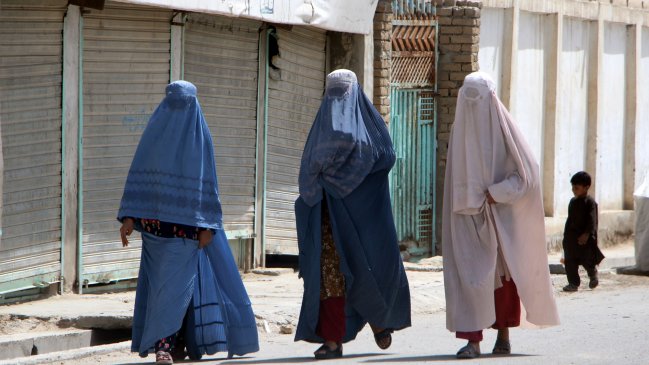
Five years after the Taliban seized control of Kabul, a stark reality has emerged: individuals once subject to international sanctions and bounties now occupy official government offices. These figures, including former insurgent commanders, are actively engaging with foreign delegations, signing lucrative mining concessions, and negotiating repatriation deals with European officials.
The Taliban government officially designates itself as the "Islamic Emirate of Afghanistan," the name of the theocratic dictatorship established on August 15, 2021. This official title underscores the regime's nature, despite its engagement with the international community.
Initially, a strategy of international isolation was implemented. However, this approach has eroded as foreign ministries have come to accept that the regime is unlikely to yield to pressure. Global powers have increasingly prioritized security concerns, the need to contain jihadist threats, the maintenance of vital trade routes, and the management of migration flows. These pragmatic considerations have begun to outweigh demands for democratic reforms and human rights.
Russia, under President Putin, marked a significant shift in July 2025 by becoming the first country to officially recognize the Taliban government. This move signaled a growing regional acceptance and a departure from the unified international stance that characterized the immediate aftermath of the Taliban's return to power.
DistantNews Editorial
Originally published by Cooperativa in Spanish. Translated, summarized, and contextualized by our editorial team with added local perspective. Read our editorial standards.
More Stories
From Our Blog

What Gets Lost (and Found) When News Is Translated

The Critical Role of Diaspora Media in Global News

What Travellers Should Know About Countries with Restricted Press

A Digital Nomad's Guide to Following Local News

How the Same Story Looks Different in Different Countries
