


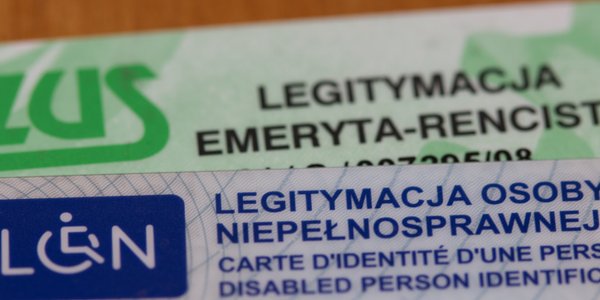
Disability certificates: Understanding indications 1 to 10
Translated from Polish, summarized and contextualized by DistantNews.
At a glance
Explainer
Official statement
Context piece
- Polish disability certificates for individuals under 16 and those over 16 have specific indications from points 1 to 10.
- Points 1-4 in adult certificates relate to employment, training, sheltered workshops, and occupational therapy.
- Points 5-7 cover needs for orthopedic equipment, social support systems, and care from others, while points 8-10 address a child's care during treatment, parking cards, and the right to a separate room.
Disability certificates in Poland, issued separately for individuals under 16 and those aged 16 and above, contain crucial indications numbered from 1 to 10. These points guide the specific support and accommodations individuals are entitled to.
For individuals aged 16 and older, the indications numbered 1 through 4 are particularly relevant to their vocational and therapeutic needs. Point 1 pertains to suitable employment that matches the person's psychophysical capabilities. Point 2 addresses the need for training, including specialized programs. Point 3 relates to employment in a "zakład aktywności zawodowej" (a type of sheltered workshop). Point 4 concerns participation in occupational therapy.
Indications 5 through 7 focus on essential support systems and personal care. Point 5 identifies the necessity for orthopedic equipment, assistive devices, and technical aids that enhance an individual's functioning. Point 6 outlines the right to benefit from community-based support systems for independent living, encompassing social, care, therapeutic, and rehabilitation services provided by various institutions and organizations. Point 7 addresses the need for constant or long-term care or assistance from another person due to significantly limited ability to live independently.
Points 8 through 10 cover specific rights and needs, particularly concerning children and mobility. Point 8, relevant for children under 16, signifies the necessity for a parent or guardian's daily involvement in the child's treatment, rehabilitation, and education. Points 9 and 10 relate to broader entitlements. Point 9 determines eligibility for a parking card, subject to specific medical conditions for those with moderate disabilities. Point 10 grants the right to reside in a separate room, primarily for individuals who are bedridden or use wheelchairs.
DistantNews Editorial
Originally published by Rzeczpospolita in Polish. Translated, summarized, and contextualized by our editorial team with added local perspective. Read our editorial standards.
More Stories



From Our Blog

What Gets Lost (and Found) When News Is Translated

The Critical Role of Diaspora Media in Global News

What Travellers Should Know About Countries with Restricted Press

A Digital Nomad's Guide to Following Local News

How the Same Story Looks Different in Different Countries
