


Discover Stories Behind Kazakhstan’s Most Unique Mosques
Summarized and contextualized by DistantNews.
At a glance
In-depth
Documents & data
Context piece
- Kazakhstan boasts a diverse range of mosques, from modern structures to ancient rock-carved sanctuaries.
- The country had 2,888 active mosques as of January 2025, with 20 new ones commissioned in 2025.
- Unique historical mosques, like the Oiyl Mosque and Mangystau's underground sites, showcase traditional construction and spiritual significance.
Kazakhstan's mosques present a rich tapestry of spiritual heritage and architectural diversity, ranging from soaring modern landmarks to ancient sanctuaries carved into rock. While contemporary mosques draw visitors with their grand domes and minarets, the country's older mosques continue to captivate with unique construction methods, legends, and historical importance.
As of January 2025, Kazakhstan was home to 2,888 active mosques, according to the Spiritual Administration of Muslims of Kazakhstan. Data from the Bureau of National Statistics indicates that 20 new mosques were commissioned in 2025, marking a 54% increase from the previous year. These growing numbers are built upon centuries of history, with mosques constructed from clay, carved into rock faces, or designed in distinct architectural styles, some serving communities for over 150 years.
One such remarkable site is the Oiyl Mosque, located about 300 kilometers from Aktobe in western Kazakhstan. Built in 1869 by local merchants, this single-story mosque features a distinctive silver-colored triangular minaret and reddish earthen walls. Its unique construction involved mixing mare's milk and sheep's wool with red sand from the Barkhyn Desert to create durable clay bricks, a traditional method that has helped preserve its facade for generations.
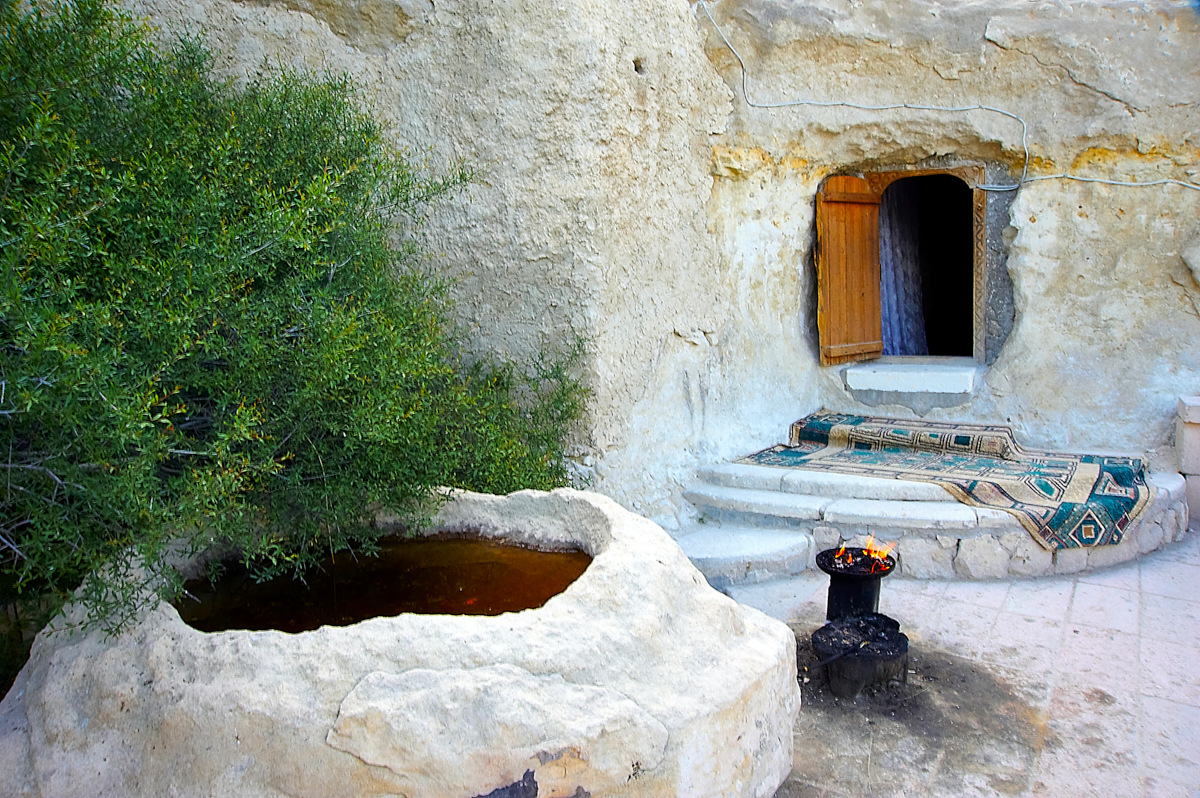
Further adding to the country's unique religious architecture are the underground mosques of Mangystau. The Shopan Ata underground mosque, part of a larger rock-carved necropolis near Zhanaozen, is a significant pilgrimage destination. Local tradition associates a nearby sacred mulberry tree with healing properties. Nearby, the Sultan-Epe underground mosque, dated between the ninth and 13th centuries, is one of Mangystau's oldest pilgrimage sites, featuring 11 chambers connected by a stone-columned gallery illuminated by ceiling openings.
These historical mosques, with their unique building techniques and deep-rooted legends, offer a glimpse into Kazakhstan's enduring spiritual heritage and the ingenuity of its past builders. They stand as testaments to the country's rich cultural landscape, attracting both worshippers and travelers interested in history and architecture.
DistantNews Editorial
Originally published by The Astana Times. Summarized and contextualized by our editorial team with added local perspective. Read our editorial standards.
More Stories


From Our Blog

What Gets Lost (and Found) When News Is Translated

The Critical Role of Diaspora Media in Global News

What Travellers Should Know About Countries with Restricted Press

A Digital Nomad's Guide to Following Local News

How the Same Story Looks Different in Different Countries
