


Discovering Another Korea at 20 Kilometers an Hour
Translated from Korean and summarized by DistantNews. Read the original for the full story.
At a glance
Opinion
Named sources
Context piece
- A Global Cycling Network video highlights South Korea’s extensive cycling routes and the less-visited places they connect.
- Cycling allows travelers to encounter small towns, local businesses and roadside scenes beyond Seoul’s standard tourist attractions.
- The columnist says route gaps and hard-to-access information for foreigners limit the network’s tourism potential.
A train journey from Seoul to Busan takes a little more than two hours, but at 250 kilometers an hour, much of the country disappears before travelers can see it. At 20 kilometers an hour, columnist Paul Carver argues, South Korea becomes a different place.
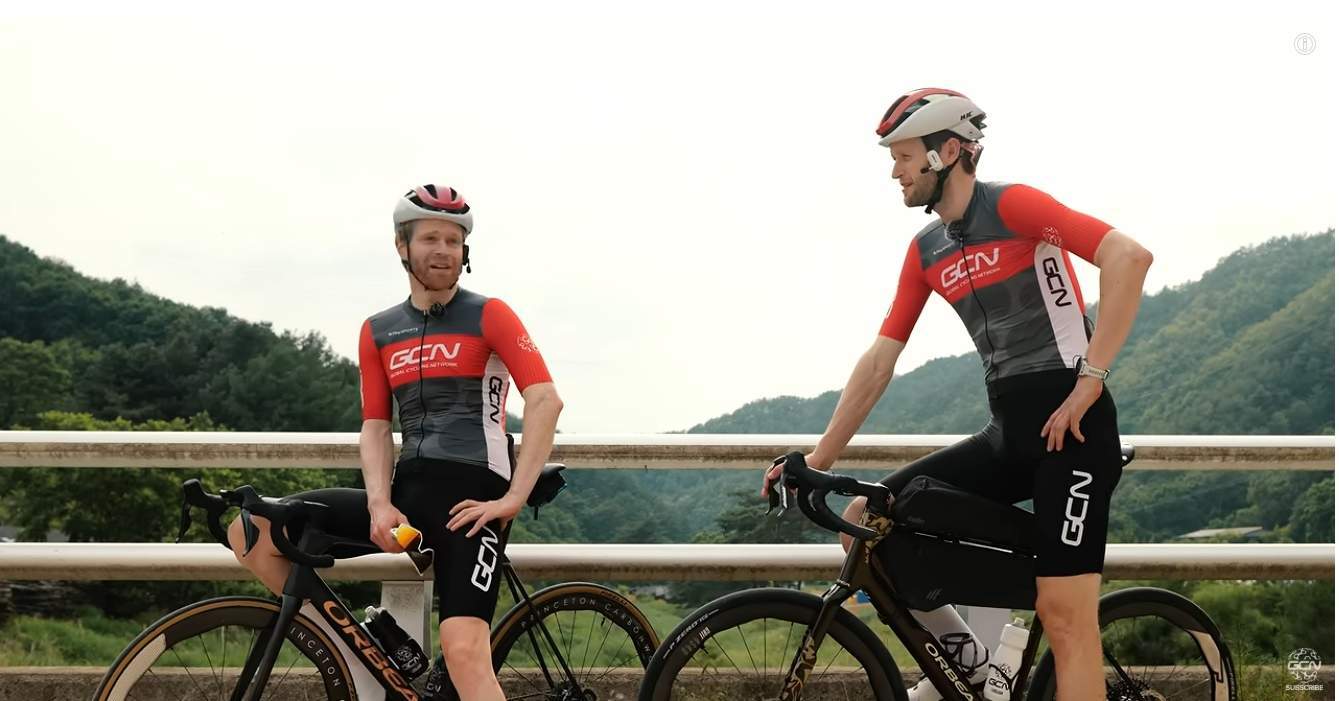
Carver welcomes a Global Cycling Network video titled “Bikepacking South Korea Blew Our Minds.” The video presents a version of the country that foreign visitors often miss. Years of investment have created an extensive cycling network, allowing travelers to cross the country rather than spend a few days in Seoul and leave.
The bicycle makes it difficult to jump between famous attractions. Riders follow the blue line of the cycle paths and pass through the spaces between destinations. They can stop in small towns, meet an older man repairing a puncture, smell food from a roadside restaurant or follow a brown sign to the birthplace or grave of a historical figure.
That slower journey reveals more than mountains, rivers and coastlines. It shows small factories, rural villages, fishing ports, regional bus terminals and older people sitting outside neighborhood restaurants. The national cycling routes run from Incheon to Busan and along major rivers, Jeju Island and the east coast. Certification centers, stamps and cycling passports turn the network into a nationwide treasure hunt.
But the map has gaps. Some major routes remain disconnected, including an awkward break on the east coast route between below Pohang and Busan. Government applications list pumps, drinking fountains and public toilets, yet foreign users find them difficult to access. Carver says clearer foreign-language information could help visitors bring bicycles and panniers to Korea, directing spending toward small cafes, guesthouses, restaurants and repair shops outside the usual tourist circuits.
About this summary
Originally published by Dong-A Ilbo in Korean. Translated, summarized, and contextualized automatically by DistantNews, with a note on how the source frames the story. Not individually reviewed before publishing. How this works.
More Stories



From Our Blog

What Gets Lost (and Found) When News Is Translated

The Critical Role of Diaspora Media in Global News

What Travellers Should Know About Countries with Restricted Press

A Digital Nomad's Guide to Following Local News

How the Same Story Looks Different in Different Countries
