


The Eye That Recognizes What Truly Matters
Translated from Korean and summarized by DistantNews. Read the original for the full story.
At a glance
Opinion
Named sources
Context piece
- The column argues that recognizing an object’s or person’s true nature can determine whether opportunities are seized or dangers avoided.
- Examples from Greek mythology, animal behavior and the discovery of singer Joo Hyun-mi illustrate the value of perception.
- A Japanese study found that graduate students who joined the early stages of research later produced stronger results after an initial period of lower output.
The difference between recognizing what lies beneath appearances and missing it can shape an entire life, columnist Seo Gwang-won writes.
He begins with Christopher Nolan’s film “The Odyssey,” whose characters repeatedly succeed or fail according to what they can recognize. Troy fell because its people failed to see the Trojan horse for what it was. Odysseus’s men nearly remained pigs because they did not understand the reality of the witch Circe. Odysseus himself survived by recognizing Circe and by reading the feelings of his crew.
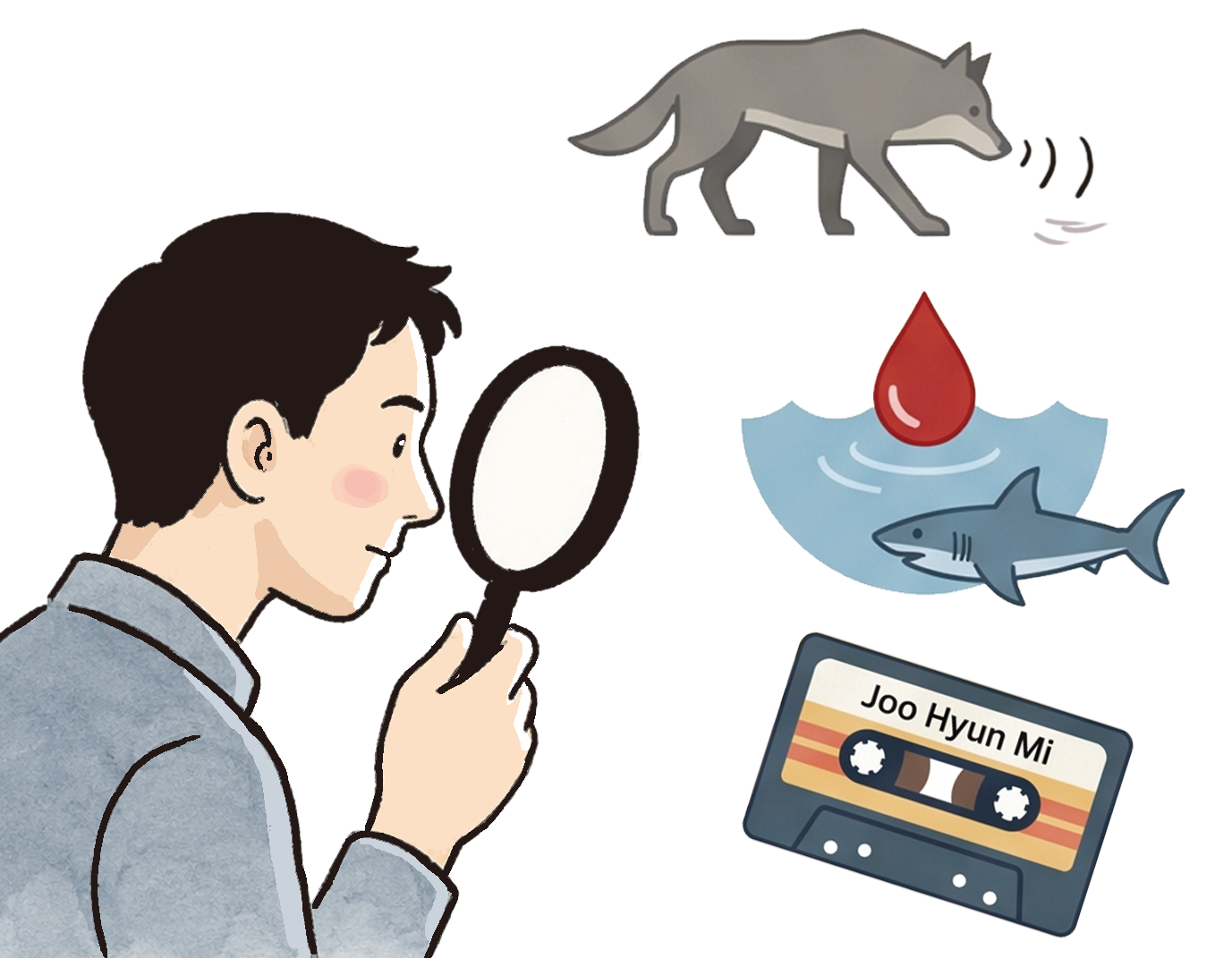
The same ability appears in nature. Wolves can infer when and where a deer passed from a single strand of fur. Sharks can detect prey from a drop of blood in a vast area of sea. Such specialized senses help animals quickly identify what affects their survival.
The column also recalls composer Park Seong-hun’s account of discovering the unknown singer Joo Hyun-mi after hearing a practice tape at his former workplace. The company showed little interest, but Park recognized her voice and asked to develop her. She later became a defining trot singer of her era.
Seo points to a Japanese research team that studied how graduate students’ laboratory roles related to their later achievements. Students in conventional laboratories generally handled experiments while professors designed the research. Those who participated in the early, direction-setting stage initially published fewer papers, but after about three years their performance became much stronger. Searching for direction amid uncertainty, the column argues, can develop the ability to recognize what matters.
About this summary
Originally published by Dong-A Ilbo in Korean. Translated, summarized, and contextualized automatically by DistantNews, with a note on how the source frames the story. Not individually reviewed before publishing. How this works.
More Stories



From Our Blog

What Gets Lost (and Found) When News Is Translated

The Critical Role of Diaspora Media in Global News

What Travellers Should Know About Countries with Restricted Press

A Digital Nomad's Guide to Following Local News

How the Same Story Looks Different in Different Countries
