


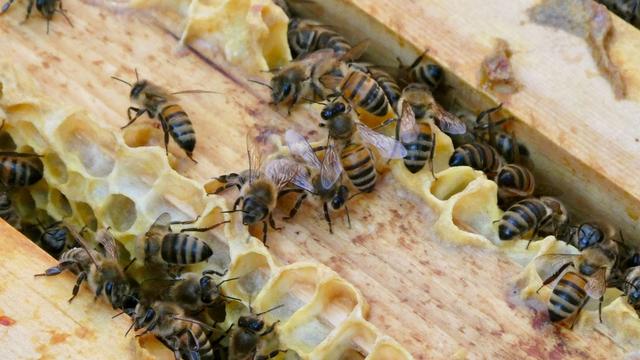
District Establishes Restricted Zone After Honeybee Foulbrood Outbreak
Translated from German, summarized and contextualized by DistantNews.
At a glance
News
Sources not specified
New plan
- A restricted zone has been established in a district due to an outbreak of American foulbrood in honeybees.
- American foulbrood is a highly contagious bacterial disease affecting bee larvae.
- The measure aims to prevent the spread of the disease and protect the local bee population.
A restricted zone has been put in place within a district following the confirmation of American foulbrood, a serious bacterial disease affecting honeybees. The measure is a direct response to the outbreak and aims to contain the spread of the highly contagious pathogen.
American foulbrood, caused by the bacterium Paenibacillus larvae, specifically targets bee larvae. Infected larvae develop a disease that can lead to the rapid collapse of entire bee colonies, posing a significant threat to beekeeping and pollination.
The establishment of the restricted zone signifies the seriousness with which the authorities are treating this outbreak. It involves implementing strict biosecurity measures to prevent the movement of bees, beekeeping equipment, and other potential carriers of the disease out of the affected area. The goal is to eradicate the infection and safeguard the health of the region's bee population.
DistantNews Editorial
Originally published by Die Zeit in German. Translated, summarized, and contextualized by our editorial team with added local perspective. Read our editorial standards.
More Stories


From Our Blog

What Gets Lost (and Found) When News Is Translated

How the Same Story Looks Different in Different Countries

The Critical Role of Diaspora Media in Global News

What Travellers Should Know About Countries with Restricted Press

A Digital Nomad's Guide to Following Local News
