

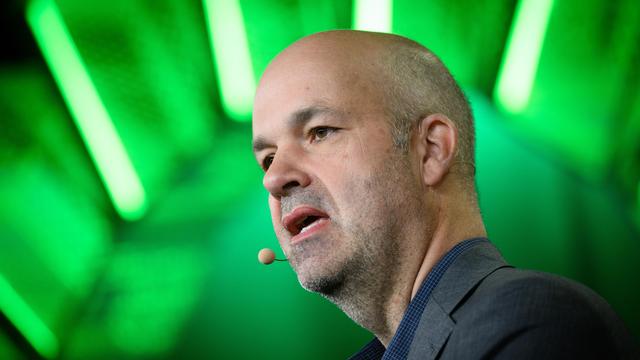

DIW President Fratzscher Criticizes German Pension Reform Plans
Translated from German, summarized and contextualized by DistantNews.
At a glance
News
Named sources
Ongoing story
- DIW President Marcel Fratzscher criticizes planned pension reforms, stating they lack the boldness to stabilize the system.
- Fratzscher argues the proposals fail to address major issues like old-age poverty, burdens on the young, and fairness.
- He calls for significant improvements, including strengthening basic pensions, better consideration of high incomes and assets, and more sustainable financing.
Marcel Fratzscher, president of the German Institute for Economic Research (DIW), has criticized the upcoming pension reform plans, arguing they do not go far enough to stabilize the statutory pension system. Even before the official presentation of proposals by the pension commission, Fratzscher stated that the reforms lack the necessary courage and consistency to fundamentally alter the system's core problems. He highlighted persistent issues of high old-age poverty, the significant burden placed on the younger generation, and ongoing inequalities within the system. According to reports, the 13-member commission is set to propose a comprehensive overhaul, including a supplementary capital or savings component funded by an additional two percentage points on the current pension contribution. The plans also reportedly include a moderate increase in the retirement age and the elimination of the "pension at 63" without deductions for those with at least 45 years of contributions. Fratzscher urged the government to make substantial improvements to these proposals. He emphasized that while the commission makes suggestions, the political decision-makers must act decisively. The economist specifically called for strengthening the basic pension to make it more poverty-proof, ensuring that higher incomes and assets in old age are more adequately considered, and establishing a more sustainable financing model for the system.
The reform proposals of the pension commission are moving in the right direction, but overall remain too cautious.
DistantNews Editorial
Originally published by Der Spiegel in German. Translated, summarized, and contextualized by our editorial team with added local perspective. Read our editorial standards.
More Stories

From Our Blog

What Gets Lost (and Found) When News Is Translated

How the Same Story Looks Different in Different Countries

The Critical Role of Diaspora Media in Global News

What Travellers Should Know About Countries with Restricted Press

A Digital Nomad's Guide to Following Local News
