

DNA tests on wolf saliva and feces to identify shot animal
Translated from Danish, summarized and contextualized by DistantNews.
At a glance
News
Sources not specified
Outcome reported
- DNA samples from saliva and feces will be compared to determine if a wolf shot in western Denmark is the same one previously identified as a problem animal.
- The wolf was shot after exhibiting unusual behavior, approaching humans despite its wild nature.
- Analysis of the DNA samples is expected to take several months, with researchers hopeful it will provide conclusive evidence.
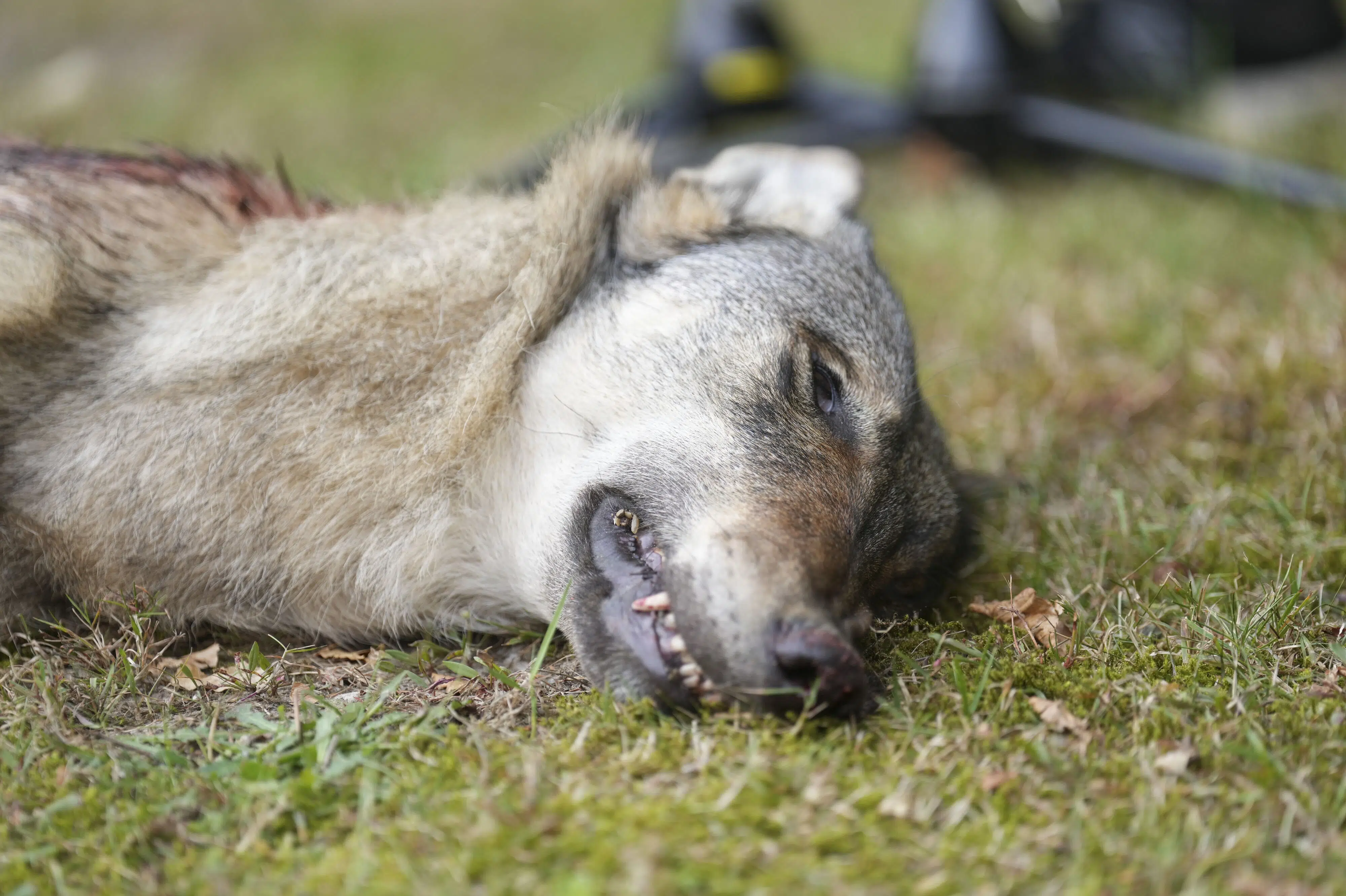
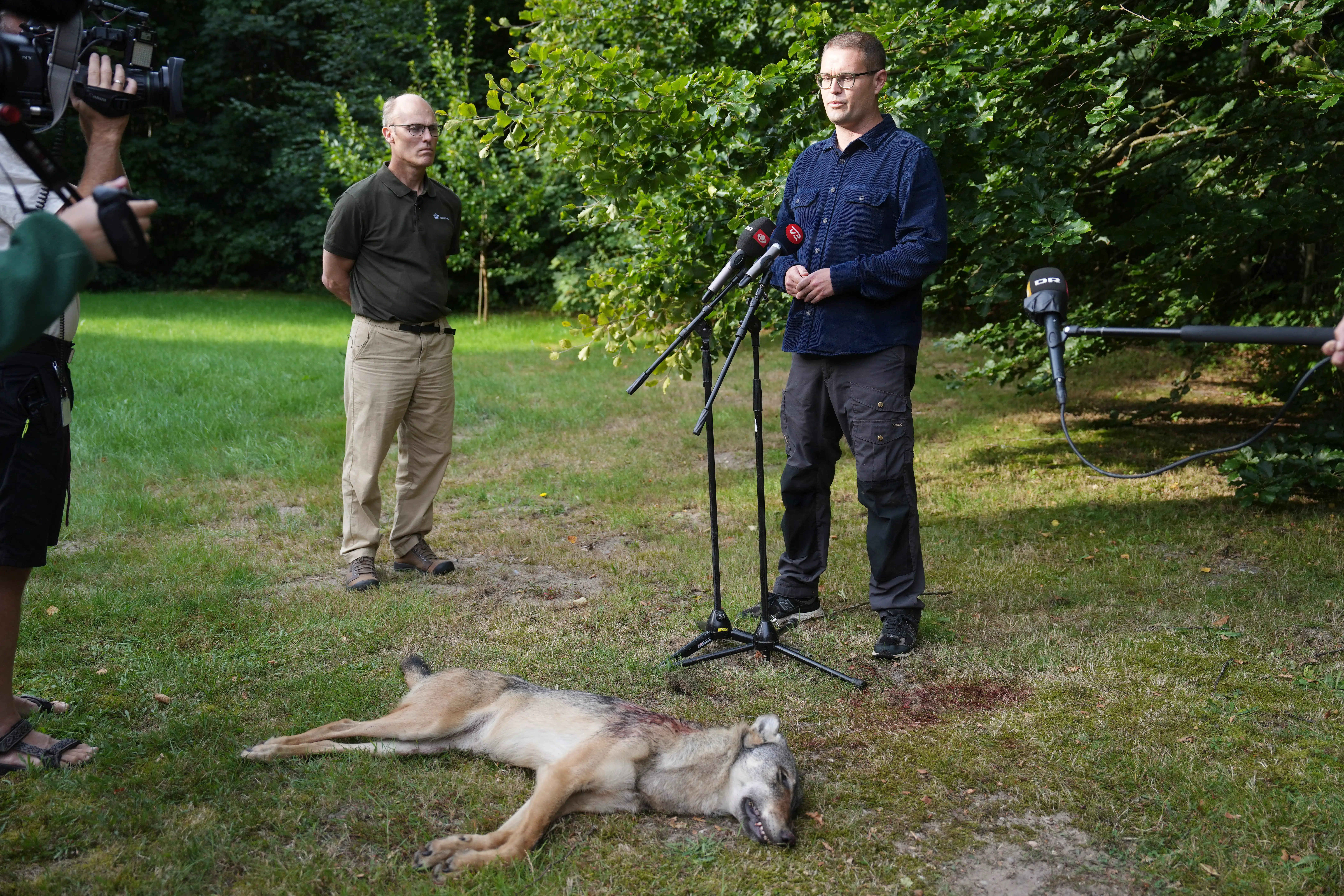
DNA analysis of saliva and feces samples is expected to confirm whether the wolf shot in western Denmark is the same animal previously identified as a problem wolf. The wolf was killed on Thursday in West Jutland.
Authorities collected a saliva sample from the shot wolf. This will be compared with a fecal sample taken earlier from a wolf observed near people in the same area. Kent Olsen, head of the national wolf monitoring program at the Natural History Museum Aarhus, explained the process. "We previously took a sample from feces from a wolf in connection with an incident where it came close to people," Olsen stated. "The wolf had defecated on a bike path, and volunteers quickly collected the sample. We now have a saliva sample from the deceased wolf. By comparing the DNA from the two samples, we can determine if it is the same wolf that has been taken down."
We previously took a sample from feces from a wolf in connection with an incident where it came close to people. The wolf had defecated on a bike path, and volunteers quickly collected the sample. We now have a saliva sample from the deceased wolf. By comparing the DNA from the two samples, we can determine if it is the same wolf that has been taken down.
Olsen anticipates the results of the DNA analysis within the next few months. "So we will be putting the final puzzle pieces together," he said. He clarified that earlier reports suggesting a lack of DNA evidence were due to authorities not being aware that the wolf monitoring program possessed the fecal sample from the previous incident. Olsen remains confident that the Danish Nature Agency's officers successfully eliminated the wolf designated as a problem animal.
So we will be putting the final puzzle pieces together.
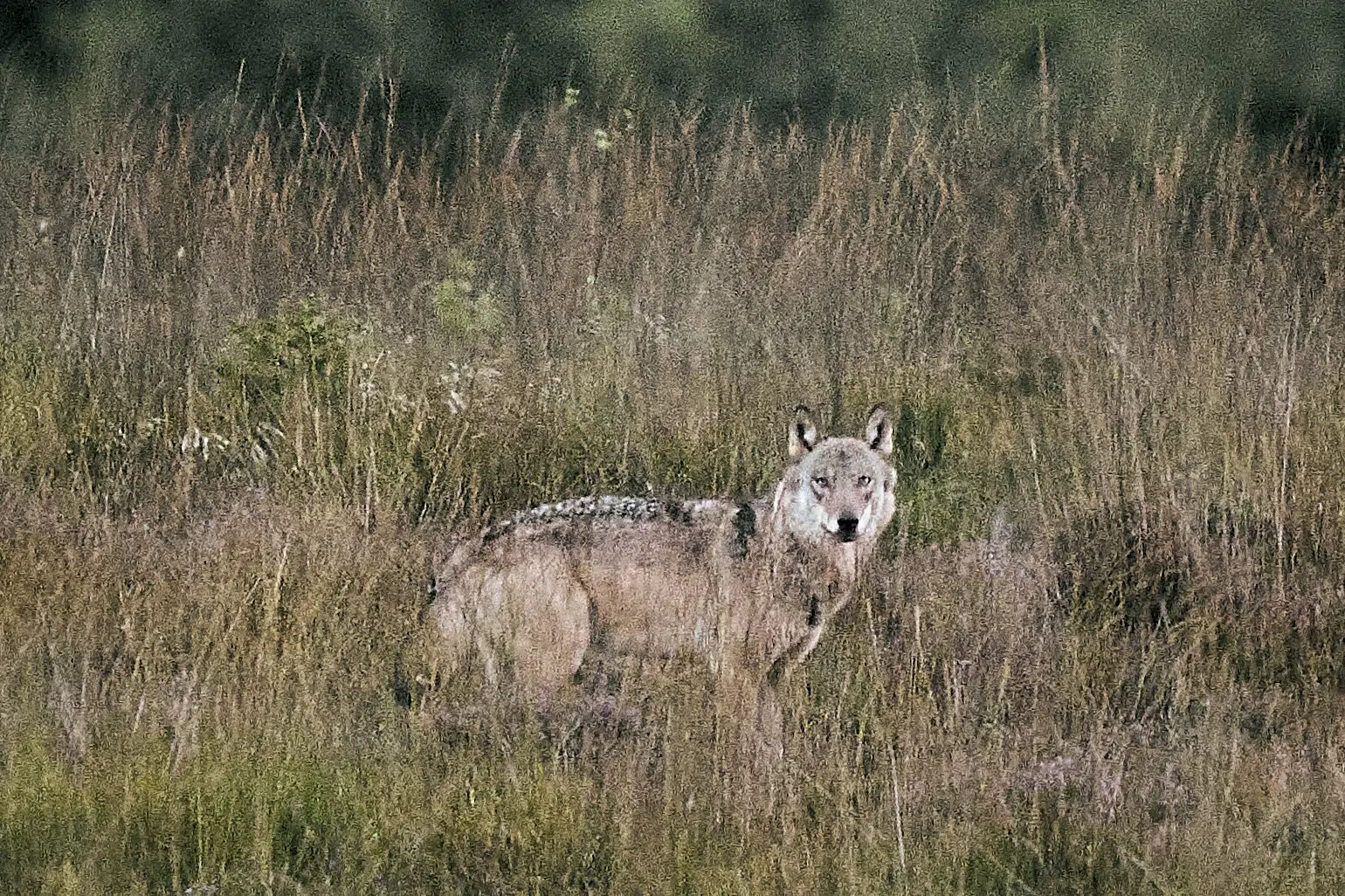
The wolf was labeled a problem animal due to multiple instances of it approaching children and adults, seemingly losing its natural fear of humans. Olsen cited specific characteristics of the shot wolf that support this assessment. "It has a characteristic head shape, and all fur markings also indicate it is the same individual," he said. "But the most important thing is the behavior. There were two wolves present when it was shot. One moved away, while the now-killed wolf was somewhat indifferent and approached humans."
The Danish Nature Agency reported that two wolves were present shortly before the shooting. One retreated into a forest area, while the other, seemingly unfazed by human presence, was shot at close range. The carcass of the wolf has been frozen and will undergo further examination as part of the fallen wild animal scheme, which involves collecting and studying dead animals found in nature. This examination, conducted at the University of Copenhagen, will assess the wolf's health and diet and collect organ samples.
It has a characteristic head shape, and all fur markings also indicate it is the same individual. But the most important thing is the behavior. There were two wolves present when it was shot. One moved away, while the now-killed wolf was somewhat indifferent and approached humans.
DistantNews Editorial
Originally published by Berlingske in Danish. Translated, summarized, and contextualized by our editorial team with added local perspective. Read our editorial standards.
More Stories

From Our Blog

What Gets Lost (and Found) When News Is Translated

The Critical Role of Diaspora Media in Global News

What Travellers Should Know About Countries with Restricted Press

A Digital Nomad's Guide to Following Local News

How the Same Story Looks Different in Different Countries
