


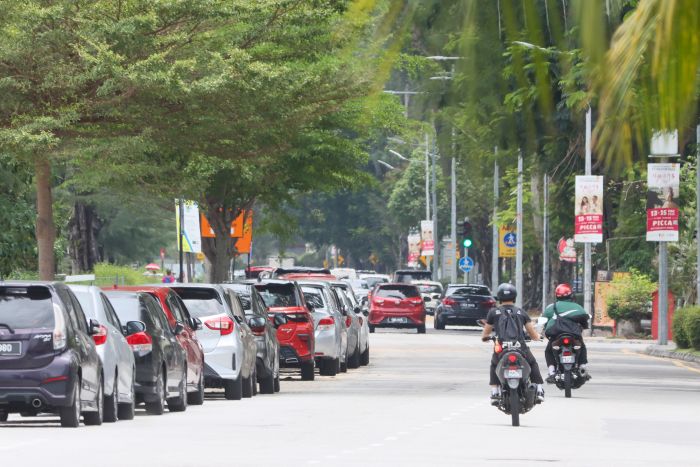
Do not mistake honking for provocation, Malaysian road safety expert urges
Translated from Malay, summarized and contextualized by DistantNews.
At a glance
Opinion
Sources not specified
Context piece
- An incident where a motorcyclist was allegedly attacked after honking on the Federal Highway highlights road safety issues.
- The article discusses how honking, intended as a safety tool, can be perceived as provocation when misused.
- It calls for better education on road etiquette and emotional control among drivers to prevent aggressive behavior.
An incident involving a motorcyclist reportedly being attacked after honking on the Federal Highway serves as a stark reminder to all road users about safety and behavior. The event raises a critical question: Why can a honk, a tool meant to prevent risks, be perceived as an act of provocation?
Why can a honk, a tool meant to prevent risks, be perceived as an act of provocation?
In traffic safety, the honk is the most concise language on the road. Drivers and riders cannot speak directly, so honking is used to signal presence in blind spots, warn of vehicles emerging from intersections, or alert unaware users to impending danger. However, the manner in which a honk is used significantly influences its reception. Prolonged, repeated honking, or actions like aggressive chasing, tailgating, or sudden braking, can create stress and feelings of insecurity, transforming the honk from a warning into a component of aggressive behavior.
In traffic safety, the honk is the most concise language on the road.
A study involving drivers in Turkey found that honking is among the most frequent expressions of road rage, alongside flashing high beams and tailgating. This suggests that seemingly minor actions can escalate into aggressive behavior when emotions are not controlled. Therefore, proper honking etiquette needs to be emphasized in driver education and road safety campaigns.
This suggests that seemingly minor actions can escalate into aggressive behavior when emotions are not controlled.
Drivers should use their honks briefly and only when necessary. Recipients of a honk should first check their surroundings to ensure no overlooked risks exist. Driver education should extend beyond vehicle control skills and rule comprehension to include guidance on de-escalating conflict and managing spontaneous reactions. If encountering aggressive drivers, it is advisable to avoid retaliating, chasing, or engaging in arguments. Prioritize personal safety and seek assistance from authorities if the situation becomes threatening. Road safety depends not only on road design, vehicle condition, and law enforcement but also on the etiquette and emotional maturity of users. Honking should help save lives, not incite hostility. Do not mistake a honk for provocation.
Honking should help save lives, not incite hostility. Do not mistake a honk for provocation.
DistantNews Editorial
Originally published by Utusan Malaysia in Malay. Translated, summarized, and contextualized by our editorial team with added local perspective. Read our editorial standards.
More Stories



From Our Blog

What Gets Lost (and Found) When News Is Translated

The Critical Role of Diaspora Media in Global News

What Travellers Should Know About Countries with Restricted Press

A Digital Nomad's Guide to Following Local News

How the Same Story Looks Different in Different Countries
