


Doctors caution patients against using dewormer Ivermectin for cancer treatment
Translated from Korean, summarized and contextualized by DistantNews.
At a glance
News
Sources not specified
Context piece
- Some late-stage cancer patients are turning to Ivermectin, a drug primarily used as a dewormer for livestock, for treatment.
- Medical experts caution against this, stating there is no robust clinical evidence supporting Ivermectin's effectiveness against cancer in humans.
- Concerns exist that patients might forgo proven treatments in favor of unproven remedies, potentially leading to worse outcomes and risks of overdose.
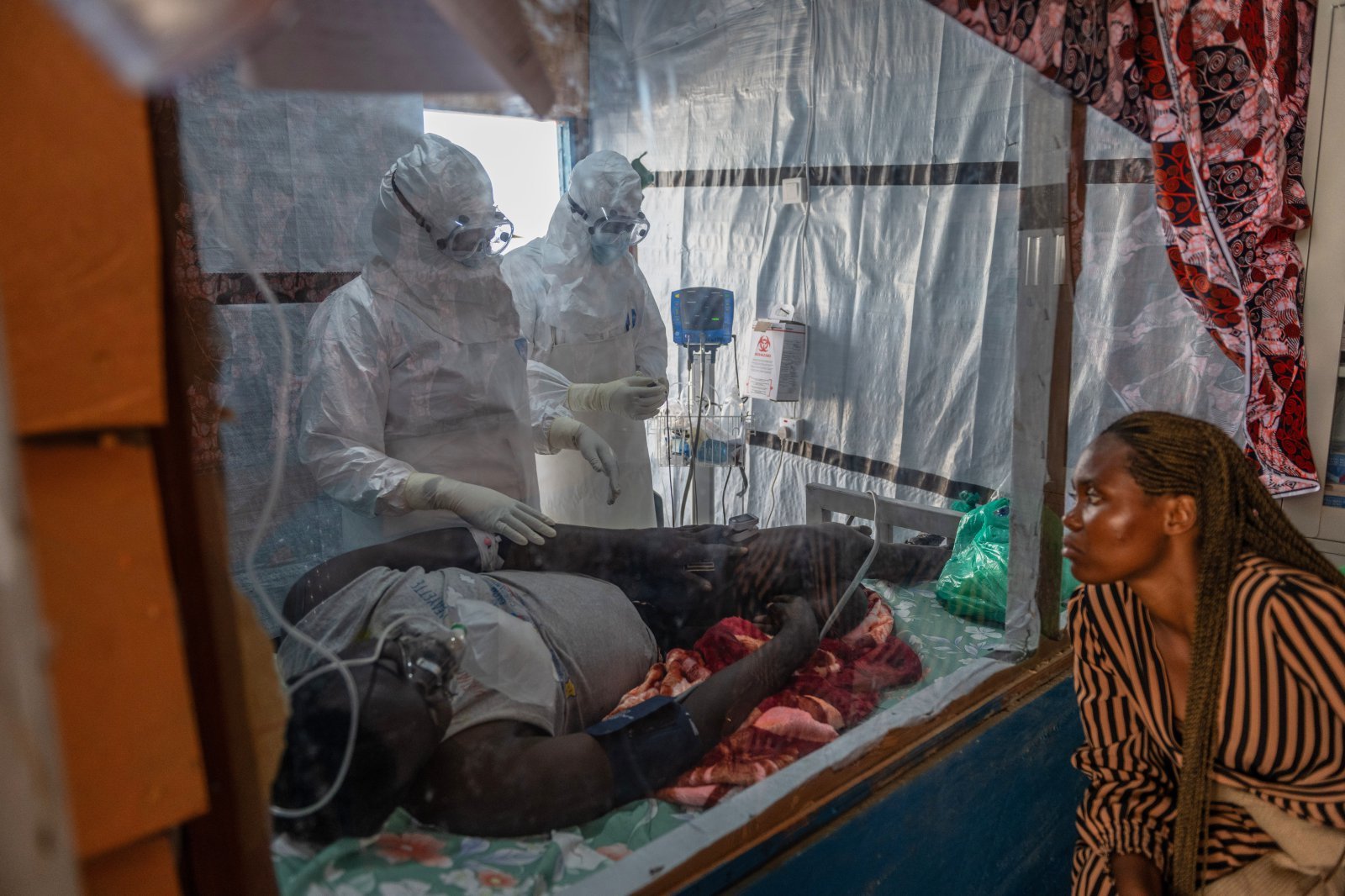
A growing number of late-stage cancer patients are seeking hope in Ivermectin, a medication more commonly known as a dewormer for animals and, in limited human cases, for treating parasitic infections like head lice and scabies. This trend has been fueled by anecdotal claims and social media discussions, including a widely viewed podcast where actor Mel Gibson claimed three friends with stage 4 cancer were cured by Ivermectin and another animal-only drug, fenbendazole.
However, medical professionals are urging caution, emphasizing the lack of substantial scientific evidence to support Ivermectin's efficacy as an anti-cancer treatment. "Large randomized clinical trials, the most reliable evidence for treatment efficacy, have not yet proven Ivermectin's anti-cancer effects in humans," stated Dr. John Marra, a professor at UCLA's David Geffen School of Medicine, in an interview with ABC News. The U.S. Food and Drug Administration (FDA) has not approved Ivermectin for any type of cancer treatment in humans or animals, nor does it recommend it as a cancer therapy.
Large randomized clinical trials, the most reliable evidence for treatment efficacy, have not yet proven Ivermectin's anti-cancer effects in humans.
Experts are particularly concerned that patients might abandon or delay conventional, evidence-based cancer treatments in favor of unproven alternatives. Studies suggest that patients opting for alternative medicine over standard care face a significantly higher risk of mortality. Some oncologists have reported cases where patients who decided to self-medicate with Ivermectin either stopped seeking medical attention or returned months later with advanced cancer.
Furthermore, taking Ivermectin without a doctor's prescription or supervision carries risks, including potential overdose. "Taking very high doses can lead to seizures or coma, and in extremely rare cases, death," warned Dr. Marra. Data from America's Poison Centers shows a doubling of Ivermectin-related calls between 2024 and 2025, though the reasons for these calls are not specified. Experts stress the importance of distinguishing between hope and evidence, cautioning that unproven treatments can pose greater risks than benefits when used instead of established medical care.
Taking very high doses can lead to seizures or coma, and in extremely rare cases, death.
DistantNews Editorial
Originally published by Dong-A Ilbo in Korean. Translated, summarized, and contextualized by our editorial team with added local perspective. Read our editorial standards.
More Stories


From Our Blog

What Gets Lost (and Found) When News Is Translated

The Critical Role of Diaspora Media in Global News

What Travellers Should Know About Countries with Restricted Press

A Digital Nomad's Guide to Following Local News

How the Same Story Looks Different in Different Countries
