


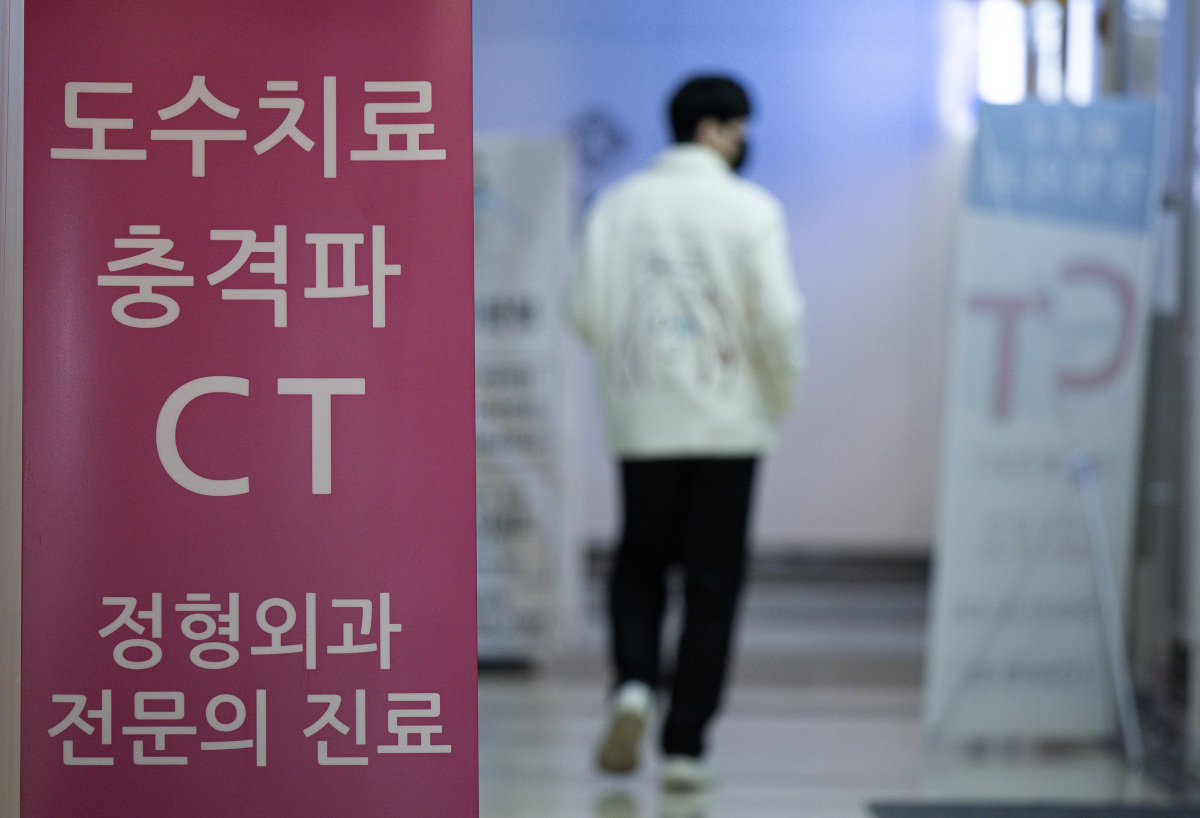
South Korea's New Private Health Insurance: A Shift in Healthcare Dynamics
Translated from Korean, summarized and contextualized by DistantNews.
At a glance
Explainer
Sources not specified
New plan
- South Korea has introduced a fifth-generation private health insurance policy, prompting questions about switching.
- The new policy aims to address the growing deficit in private insurance, partly caused by overuse of medical services.
- This move reflects a larger debate about healthcare utilization and the sustainability of the national health insurance system.
South Korea's introduction of a fifth-generation private health insurance policy in early May has sparked widespread discussion, particularly among those questioning whether to switch from existing plans. This decision, however, extends beyond a simple insurance change, touching upon fundamental questions about how Koreans utilize healthcare and the future direction of the national health insurance system.
The nation's public healthcare system, while covering all citizens, leaves patients with a higher out-of-pocket burden compared to the average Organization for Economic Co-operation and Development (OECD) country. This gap, further widened by non-covered medical expenses, created a demand for private health insurance. The private market, driven by consumer needs and the interests of non-life insurance companies, has grown significantly, with private health insurance now often called the "second national health insurance."
However, the system faces a critical challenge: the overuse of medical services by some policyholders leads to deficits, the burden of which is ultimately passed on to those who pay their premiums diligently. The government's primary motivation for introducing the fifth-generation policy is to mitigate this issue. The new plan introduces a tiered system based on medical usage, aiming to differentiate premiums and benefits according to individual healthcare consumption patterns.
DistantNews Editorial
Originally published by Dong-A Ilbo in Korean. Translated, summarized, and contextualized by our editorial team with added local perspective. Read our editorial standards.
More Stories


From Our Blog

What Gets Lost (and Found) When News Is Translated

The Critical Role of Diaspora Media in Global News

What Travellers Should Know About Countries with Restricted Press

A Digital Nomad's Guide to Following Local News

How the Same Story Looks Different in Different Countries
