


Does Trump’s Not-Looking-for-Independence Remark Hurt Taiwan’s Ruling Party?
Translated from English and summarized by DistantNews. Read the original for the full story.
At a glance
News
Named sources
Context piece
- Donald Trump's statement about not seeking independence for any party has prompted discussion in Taiwan regarding its potential impact on the ruling party's platform.
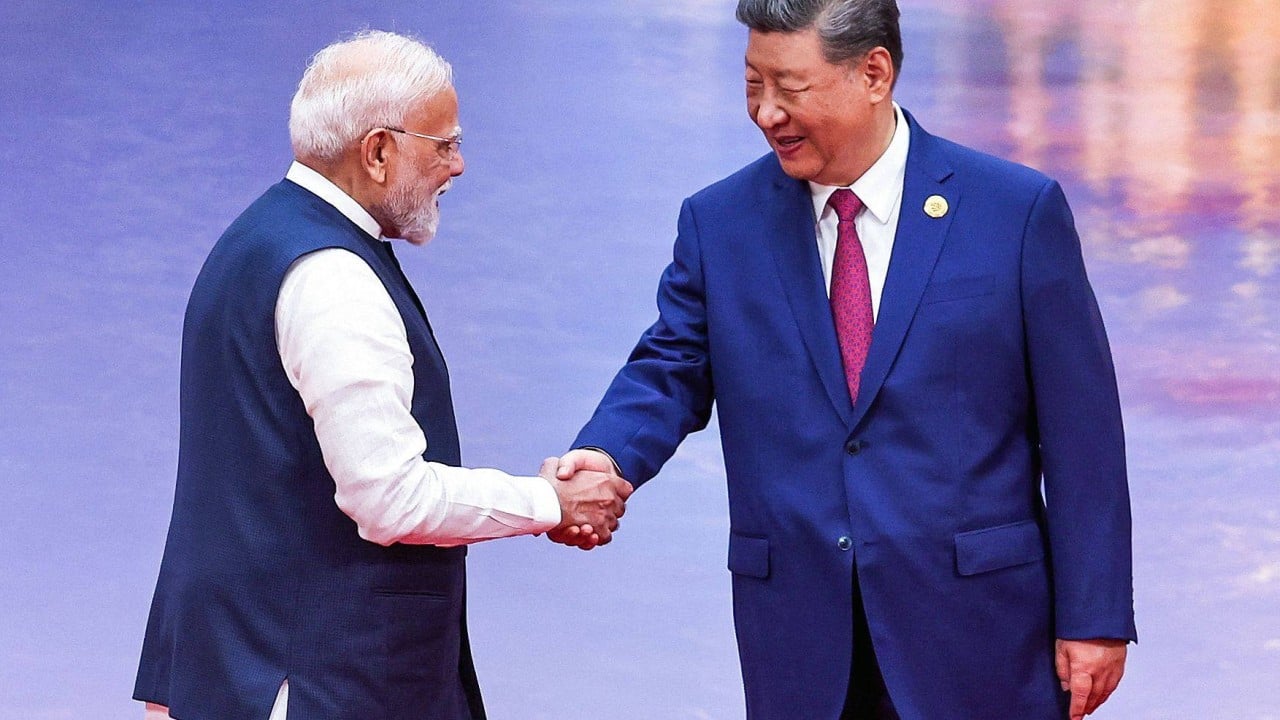
- Trump made the remark after a summit with Chinese leader Xi Jinping, where Taiwan was a sensitive issue in Sino-US relations.
- The comments followed warnings from mainland China about potential future conflicts between Washington and Beijing over the Taiwan issue.
Donald Trump's recent remarks on Taiwan's independence have sent ripples through the island's political landscape, particularly concerning the ruling Democratic Progressive Party (DPP). The former US president's statement, made after his meeting with Xi Jinping, that he is "not looking to have somebody go independent," has been interpreted in various ways, raising questions about its implications for Taiwan's sovereignty aspirations.
I’m not looking to have somebody go independent.
From Taiwan's perspective, this statement is particularly sensitive. The DPP has historically advocated for Taiwan's distinct identity and, while not formally declaring independence to avoid provoking Beijing, maintains a stance that emphasizes Taiwan's self-governance. Trump's comment, especially given his transactional approach to foreign policy, could be seen as a signal that the US might not unequivocally support Taiwan's de facto independence if it came at the cost of broader geopolitical stability or economic interests.
Taiwan emerged as one of the most sensitive issues in Sino-US relations.
This contrasts sharply with how such a statement might be perceived in Western capitals, which often frame Taiwan's situation through the lens of democratic values versus authoritarianism. Here in Taiwan, the focus is more immediate: how do such pronouncements from a major global power affect our security and our ability to chart our own future? The article in the South China Morning Post touches on this by noting the timing after the Xi-Trump summit and Beijing's subsequent warnings. For us, it's a crucial reminder of the precarious balance we maintain, constantly navigating the complex relationship between the US, China, and our own desire for self-determination.
the Taiwan issue could become the source of future “clashes and even conflicts” between Washington and Beijing.
About this summary
Originally published by South China Morning Post in English. Translated, summarized, and contextualized automatically by DistantNews, with a note on how the source frames the story. Not individually reviewed before publishing. How this works.
More Stories


From Our Blog

Countries Without a Free Press: The 2026 List and What It Means for Readers

What Press Freedom Means for the News You Read

News in Translation: What Gets Lost, and How We Keep the Framing

Diaspora Media: How Communities Abroad Follow Home

Traveling Where the Press Is Not Free: How to Read the News There
