


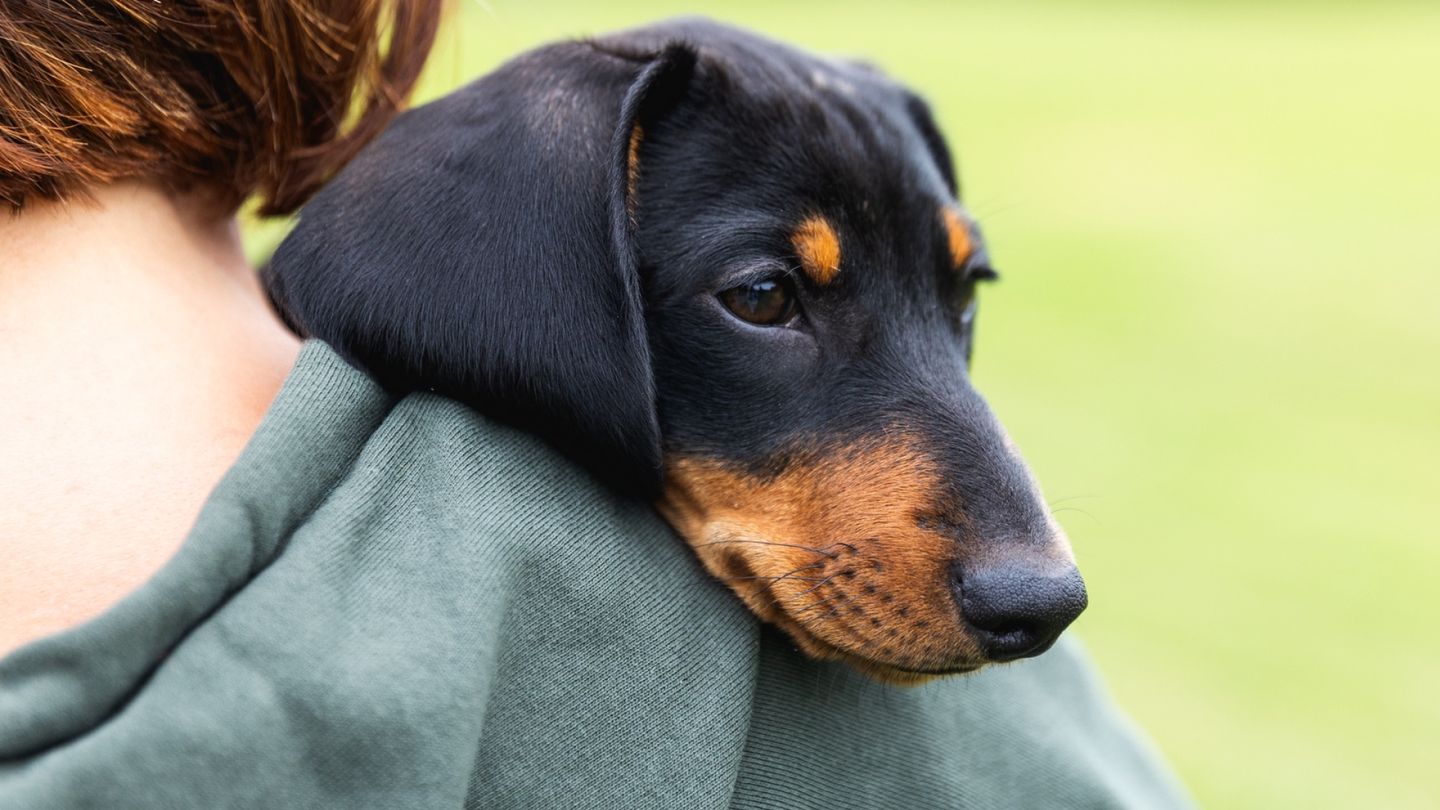
Dogs May Bring Home Bacteria Linked to Less Illness in Infants, Finnish Study Finds
Translated from Finnish, summarized and contextualized by DistantNews.
At a glance
News
Sources not specified
Context piece
- A Finnish study suggests that dogs may bring bacteria into homes that are linked to reduced illness in infants.
- Researchers identified specific dog-related microbes in household dust that appear to explain some of this protective effect.
- While the study observed fewer respiratory infections and antibiotic courses in children from dog-owning families, researchers caution that correlation does not equal causation.
Infants in dog-owning households in Finland appear to fall ill less often, according to a new study. Researchers have identified specific microbes associated with dogs that may contribute to this reduced sickness, offering a potential explanation for previous observations.
The most intriguing finding of the Finnish research focused on the diversity of microbes. Scientists detected certain dog-related microorganisms in household dust. These microbes seemed to account for a portion of the link between dog ownership and lower rates of illness in babies. The general abundance of bacteria in the home did not appear to be the primary factor behind the reduced sickness.
The most interesting observation in the new Finnish study was the diversity of microbes.
Some of the protective benefits seemed to be connected to specific bacterial and fungal species that dogs introduce into the home environment. Children in these households experienced fewer respiratory infections, required fewer antibiotic treatments, and had fewer weeks of fever. A combination of three specific bacterial genera, for instance, explained up to a quarter of the observed association between living with a dog and reduced antibiotic use.
The strongest connection was seen with the Pasteurella bacterial genus, which was particularly associated with fewer fever weeks.
The strongest link was observed with the Pasteurella bacterial genus, which was particularly associated with fewer fever weeks. Pasteurella is known for causing wound infections related to animal bites. However, this study did not investigate bites or disease-causing inflammation but rather focused on identifying dog-related bacteria in household dust and their connection to infant illness.
The study followed 368 Finnish children from pregnancy until the end of their first year. Researchers analyzed the microbes in household dust when the children were around two months old, while parents kept weekly records of fever, illness, and antibiotic courses. The researchers emphasize that this was an observational study, meaning it cannot establish a definitive cause-and-effect relationship. Other factors, such as lifestyle differences in dog-owning families, might also play a role, though these were not specifically examined in this research.
The researchers emphasize that the study was observational, so it does not show a certain cause-and-effect relationship.
DistantNews Editorial
Originally published by Helsingin Sanomat in Finnish. Translated, summarized, and contextualized by our editorial team with added local perspective. Read our editorial standards.
More Stories



From Our Blog

What Gets Lost (and Found) When News Is Translated

The Critical Role of Diaspora Media in Global News

What Travellers Should Know About Countries with Restricted Press

A Digital Nomad's Guide to Following Local News

How the Same Story Looks Different in Different Countries
