


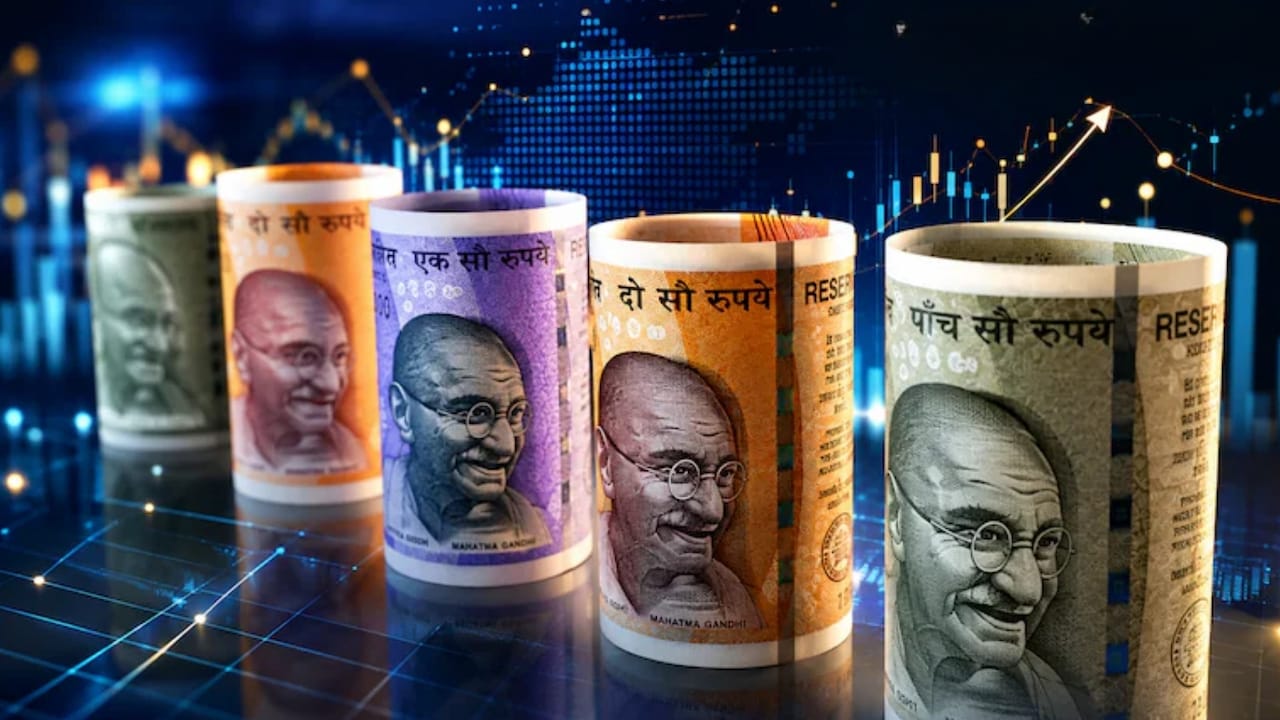
Dollar at Rs 95: Is the Weaker Rupee a Temporary Shock or the New Normal?
Translated from English, summarized and contextualized by DistantNews.
At a glance
Analysis
Sources not specified
Context piece
- The Indian Rupee has fallen to 95 against the US Dollar, prompting questions about its stability.
- This depreciation directly impacts international travelers, students studying abroad, and individuals making overseas payments.
- The article explores whether this weaker rupee represents a temporary shock or a new long-term reality.
The Indian Rupee has reached a significant low, trading at 95 against the US Dollar. This sharp depreciation has sparked debate about its sustainability, with questions arising whether this marks a temporary market fluctuation or the beginning of a new normal for the currency.
The weakening rupee carries direct implications for various segments of the population. International travelers will find their foreign currency buys less, making trips abroad more expensive. Similarly, students pursuing education overseas face increased costs for tuition and living expenses. Anyone reliant on making payments in foreign currencies will also experience the pinch of a devalued rupee.
This economic development prompts a closer look at the factors driving the rupee's decline and its potential long-term consequences. Analysts are examining market trends, economic policies, and global financial conditions to understand the underlying causes and predict the currency's future trajectory. The outcome will significantly influence India's trade balance, inflation, and overall economic stability.
Fall in the rupee directly affects travellers, students and anyone making overseas payments.
DistantNews Editorial
Originally published by NDTV in English. Translated, summarized, and contextualized by our editorial team with added local perspective. Read our editorial standards.
More Stories



From Our Blog

What Press Freedom Means for the News You Read

What Gets Lost (and Found) When News Is Translated

The Critical Role of Diaspora Media in Global News

What Travellers Should Know About Countries with Restricted Press

A Digital Nomad's Guide to Following Local News
