

Dollar struggles as softer inflation dims Fed hike bets
Summarized and contextualized by DistantNews.
At a glance
News
Named sources
Context piece
- The U.S. dollar weakened against major currencies after softer-than-expected inflation data curbed expectations for a near-term Federal Reserve rate hike.
- U.S. consumer inflation slowed to 3.5% year-over-year in June, with the CPI falling 0.4% monthly as energy prices retreated.
- Despite the inflation data, concerns over elevated oil prices due to geopolitical tensions in the Middle East could still pose inflation risks.
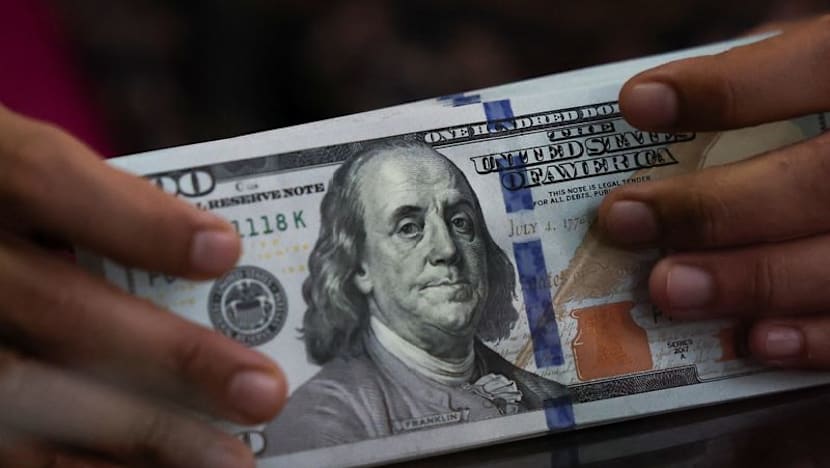
The U.S. dollar extended its decline on Wednesday, tumbling from a two-week high as surprisingly soft inflation data dampened expectations for an imminent Federal Reserve interest rate increase. The dollar index, measuring its value against a basket of six major currencies, fell slightly to 100.81 after its largest pullback in nearly two weeks in the previous session.
The sizeable downside surprise gives the Fed greater scope to remain on hold for longer.
U.S. consumer inflation slowed more than anticipated in June, with the year-over-year rate dropping to 3.5%. The consumer price index saw its first monthly decline since April 2020, falling 0.4%, largely due to a retreat in energy prices. This cooling inflation led bond yields to drop, with U.S. Treasuries off 9 basis points from a 16-month high. "The sizeable downside surprise gives the Fed greater scope to remain on hold for longer," noted Sim Moh Siong, FX strategist at OCBC, pointing out that Fed officials had indicated the July decision would depend on the June inflation reading.
Market participants now anticipate the Federal Reserve will likely skip a rate hike in July, with chances falling to 16% based on Fed funds futures prices. However, optimism was tempered by Federal Reserve Chair Kevin Warsh's testimony before the House Financial Services Committee. Warsh affirmed the central bank's "no tolerance" for persistently high inflation and vowed to "do my job" if challenged. Meanwhile, escalating hostilities in the Iran conflict pushed oil prices to one-month highs, reigniting inflation risks. The U.S. reimposed a naval blockade on Iranian ports, and conducted new strikes aimed at degrading Iranian capabilities used to attack commercial shipping in the Strait of Hormuz.
While we continue to expect modest USD appreciation by year-end, near-term upside momentum may remain constrained in the absence of fresh catalysts.
Economists at CBA cautioned that "one month of softer-than-expected CPI data will not close the door to interest rate hikes," highlighting that markets are closely monitoring upcoming producer price data. The euro and British pound saw modest gains against the dollar, while the New Zealand and Australian dollars also showed strength.
One month of softer-than-expected CPI data will not close the door to interest rate hikes.
DistantNews Editorial
Originally published by CNA. Summarized and contextualized by our editorial team with added local perspective. Read our editorial standards.
More Stories


From Our Blog

What Gets Lost (and Found) When News Is Translated

The Critical Role of Diaspora Media in Global News

What Travellers Should Know About Countries with Restricted Press

A Digital Nomad's Guide to Following Local News

How the Same Story Looks Different in Different Countries
