


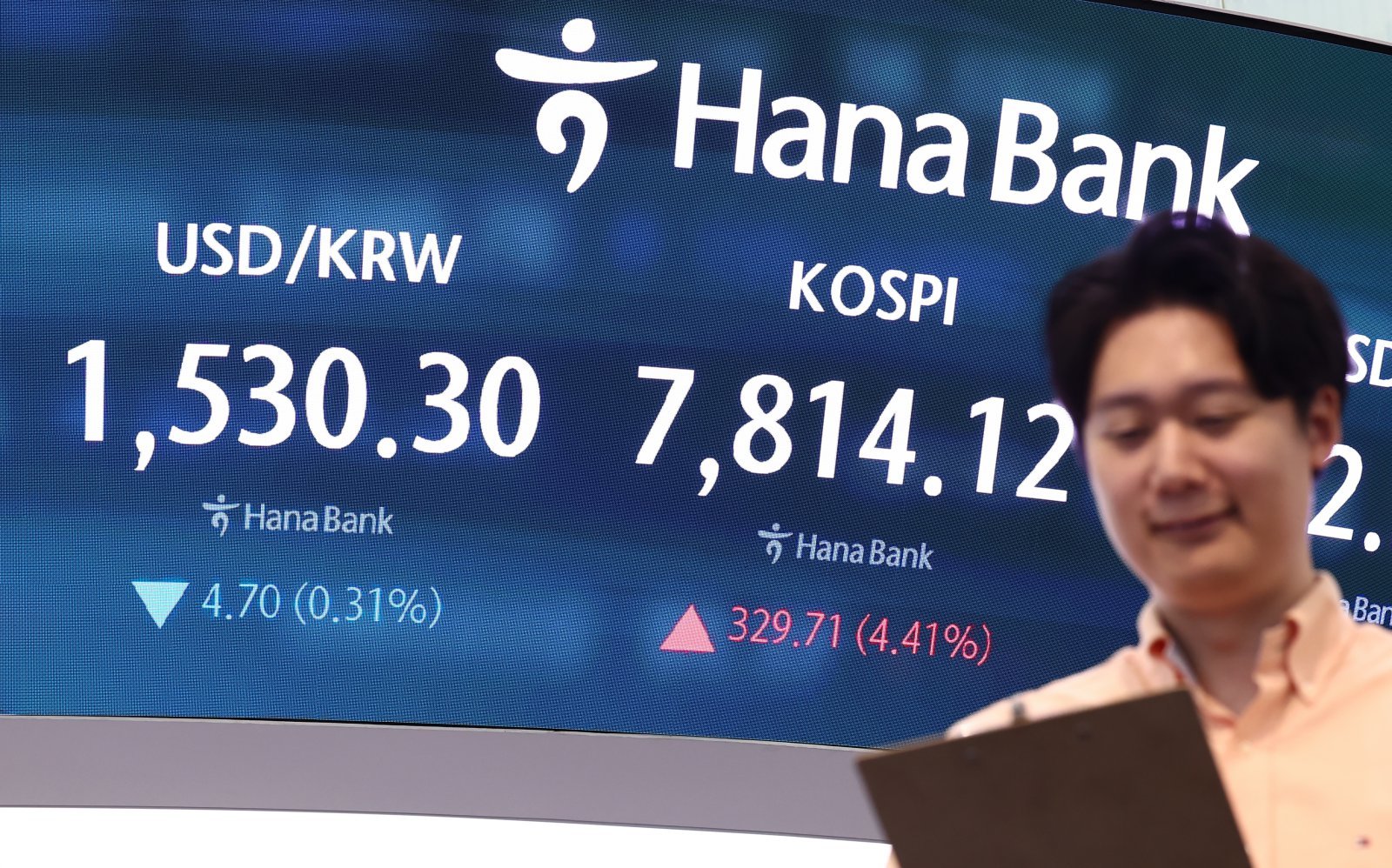
Dollar-Won Rate Falls Below 1,520 as Middle East Tensions Ease
Translated from Korean, summarized and contextualized by DistantNews.
At a glance
News
Sources not specified
Context piece
- The dollar-won exchange rate fell below 1,520 won as Middle East tensions eased and oil prices stabilized.
- The decline was attributed to reduced inflation concerns and export companies selling dollars at high levels.
- Government intervention and the National Pension Service's return to selling currency futures also contributed to the rate's drop.
The dollar-won exchange rate opened lower on June 9th, trading in the 1,520 won range, as tensions in the Middle East showed signs of de-escalation. The decline followed a temporary halt in military actions between Israel and Iran, which eased concerns about rising oil prices and energy-driven inflation.
As the military conflict between Israel and Iran has temporarily ended, the rise in oil prices has narrowed, and concerns about energy-driven inflation have somewhat eased, leading to a weaker dollar.
Min Kyung-won, an economist at Woori Bank, explained that the easing of military conflict has reduced the surge in oil prices and alleviated inflation worries, leading to a weaker dollar. This sentiment is further supported by export and heavy industry firms selling dollars at the 1,500 won level, which they perceive as a high point, adding selling pressure to the market.
The exchange rate had previously approached 1,560 won before a sharp decline the previous day. This drop was influenced by government intervention and the National Pension Service's resumption of selling currency futures, a move not seen since the beginning of the year. The market also saw a slight net selling of stocks by foreign investors despite a dip in stock prices, which provided some support to the currency.
Export and heavy industry companies, feeling burdened by the rate reaching the 1,500 won level, are likely to convert their pending sell orders at the peak into 추격매도 (chasing sales), contributing to the rate's decline.
Park Sang-hyun, an analyst at iM Securities, noted that verbal intervention by foreign exchange authorities, coupled with the National Pension Service's re-entry into the market as a seller of futures, triggered the rapid decline in the exchange rate. He also pointed to the limited scale of foreign investors' stock selling as a contributing factor from a supply and demand perspective.
Verbal intervention by foreign exchange authorities, followed by the resumption of the National Pension's selling of futures, which had been suspended since the beginning of the year, provided the impetus for the sharp decline in the exchange rate.
DistantNews Editorial
Originally published by Dong-A Ilbo in Korean. Translated, summarized, and contextualized by our editorial team with added local perspective. Read our editorial standards.
More Stories



From Our Blog

What Gets Lost (and Found) When News Is Translated

The Critical Role of Diaspora Media in Global News

What Travellers Should Know About Countries with Restricted Press

A Digital Nomad's Guide to Following Local News

How the Same Story Looks Different in Different Countries
