

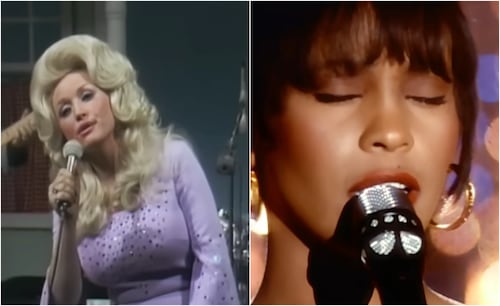
Dolly Parton's 'I Will Always Love You': The story behind the country hit that Whitney Houston made famous
Translated from Spanish, summarized and contextualized by DistantNews.
At a glance
In-depth
Sources not specified
Context piece
- Dolly Parton composed "I Will Always Love You" in 1973 as a farewell to her mentor, Porter Wagoner.
- The song reached number one on the Billboard Hot Country Songs chart twice, first by Parton in 1974 and again in 1982 for a film soundtrack.
- While Whitney Houston's 1992 rendition became a global phenomenon, Parton's original version was a country hit with a deeply personal origin.
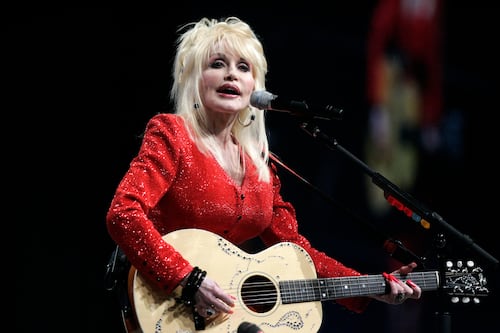
The iconic ballad "I Will Always Love You," forever linked with Whitney Houston's powerful rendition in "The Bodyguard," began its life nearly two decades earlier as a personal farewell from country music legend Dolly Parton.
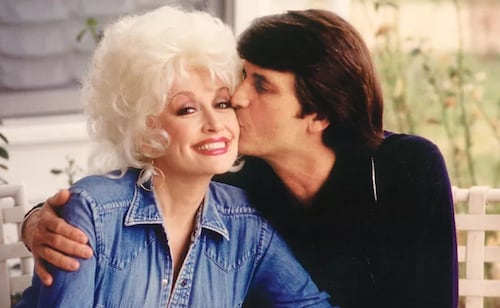
Parton penned the song in 1973 to express her gratitude and need to separate from Porter Wagoner, her professional partner and mentor of seven years. Their professional relationship had been successful, but Parton sought to forge her own solo career. The parting proved difficult, leading Parton to use her songwriting as a means to communicate her decision.
She presented the song to Wagoner, who was moved to tears. He ultimately accepted her decision, though he requested to produce the recording. Parton's original country version was released in 1974 on her album "Jolene," topping the Billboard Hot Country Songs chart.
After several attempts to explain that she needed to continue alone, Dolly resorted to the tool she knew best: she wrote a song.
Remarkably, Parton achieved this feat again when she re-recorded the song for the 1982 film "The Best Little Whorehouse in Texas." This second version also hit number one on the country charts, a rare accomplishment for two different recordings of the same song.
Before Whitney Houston's global smash, other artists also showed interest. Linda Ronstadt recorded her version for her 1975 album "Prisoner in Disguise," further attesting to the song's early appeal.
The singer herself recalled years later that when she performed the song for her mentor, he ended up crying.
DistantNews Editorial
Originally published by El Universal in Spanish. Translated, summarized, and contextualized by our editorial team with added local perspective. Read our editorial standards.
More Stories

From Our Blog

What Press Freedom Means for the News You Read

What Gets Lost (and Found) When News Is Translated

The Critical Role of Diaspora Media in Global News

What Travellers Should Know About Countries with Restricted Press

A Digital Nomad's Guide to Following Local News
