

Facundo blasts critics of youth "aura farming" trend: "Let's stop judging everything"
Translated from Spanish, summarized and contextualized by DistantNews.
At a glance
News
Sources not specified
Context piece
- A trend called "farmear aura" involves young people gathering in public spaces for battles of poses and gestures.
- Comedian Facundo defended the trend against criticism, urging people to stop judging new activities.
- The "farmear aura" trend has gained popularity on social media, with some seeing it as a positive way for Gen Z to socialize.
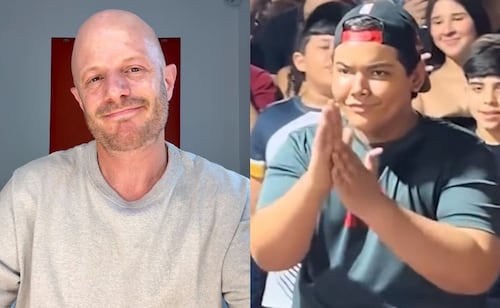
A new phenomenon dubbed "farmear aura" is capturing the attention of young people in Mexico City, with gatherings in parks and plazas for battles of poses, gestures, and attitude. This trend, which has gone viral on social media, has sparked a debate online, dividing opinions between those who celebrate it as a creative form of youth expression and others who view it as a strange way to spend time.
Amidst the criticism, Mexican comedian Facundo has publicly defended the participants, questioning the constant judgment directed at young people's activities. In a video shared on Instagram, he argued that previous generations' pastimes were not necessarily superior, suggesting that people prefer young people to be engrossed in video games or screens rather than engaging in new forms of social interaction.
Facundo emphasized that activities like dance competitions, freestyle, and rap often emerge organically. He urged people to allow younger generations to imagine, experiment, and connect, stating, "Let's stop judging everything new." He believes those who dismiss these trends "lack aura" and fail to understand experiences their own generations no longer share or have moved past.
The trend has even garnered attention from public figures, with Clara Brugada reportedly endorsing the "farmear aura" battles and celebrating young people occupying public spaces. This suggests a growing acceptance and recognition of these new forms of youth culture and social engagement.
DistantNews Editorial
Originally published by El Universal in Spanish. Translated, summarized, and contextualized by our editorial team with added local perspective. Read our editorial standards.
More Stories



From Our Blog

What Press Freedom Means for the News You Read

What Gets Lost (and Found) When News Is Translated

The Critical Role of Diaspora Media in Global News

What Travellers Should Know About Countries with Restricted Press

A Digital Nomad's Guide to Following Local News
