

Dominican electoral board probes polling firm over survey publication
Translated from Spanish, summarized and contextualized by DistantNews.
At a glance
News
Sources not specified
Under investigation
- The Dominican Central Electoral Board (JCE) has initiated disciplinary proceedings against polling firm ACD Media for allegedly publishing electoral surveys outside the permitted period.
- The JCE cites violations of its new regulation on surveys, which restricts their publication to specific campaign phases.
- ACD Media faces potential sanctions, including a temporary suspension of its polling firm registration, and has 10 days to present its defense.
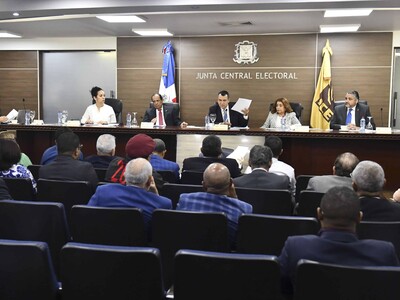
Dominica's Central Electoral Board (JCE) has launched an administrative sanctioning process against the polling firm ACD Media, S.R.L. The firm is accused of publishing and disseminating electoral surveys outside the period established by the newly approved Regulation on Surveys. This action was initiated by the Unit for Electoral Administrative Sanctions and Precautionary Measures after the JCE's plenary session tasked it with investigating two opinion studies attributed to ACD Media.
The surveys in question, published on June 1 and July 13 by Diario Libre, included measurements of party sympathy, voting intention, and presidential preferences for the 2028 elections. According to the JCE, both publications occurred after the Regulation on Surveys took effect on May 22, 2026, and before the official pre-campaign period, during which such studies are permitted. Article 13 of the regulation explicitly prohibits the publication of electoral surveys outside the established deadlines.
The regulation outlines potential sanctions, with the primary one being a temporary suspension of the polling firm's registration for six months to one year. A definitive cancellation would only be considered in cases of recidivism. The current proceedings are provisional, and the JCE will determine ACD Media's level of involvement in the surveys' creation, authorization, and dissemination. The company has a 10-day period to submit its defense.
This decision comes amid a broader debate regarding the scope of the Regulation on Surveys. While the Electoral Regime Law 20-23 prohibits the publication of survey results in the eight days preceding elections and up to five hours after polls close, Article 49 of the Constitution guarantees the right to seek, receive, and disseminate information. Organizations like the Institutionalism and Justice Foundation (Finjus) and Participation Citizen have questioned the legality and constitutionality of prohibiting survey publications before the pre-campaign period. These challenges have led to the Superior Electoral Tribunal declaring itself incompetent and referring the controversy to the Constitutional Court.
DistantNews Editorial
Originally published by Diario Libre in Spanish. Translated, summarized, and contextualized by our editorial team with added local perspective. Read our editorial standards.
More Stories


From Our Blog

What Gets Lost (and Found) When News Is Translated

The Critical Role of Diaspora Media in Global News

What Travellers Should Know About Countries with Restricted Press

A Digital Nomad's Guide to Following Local News

How the Same Story Looks Different in Different Countries
