


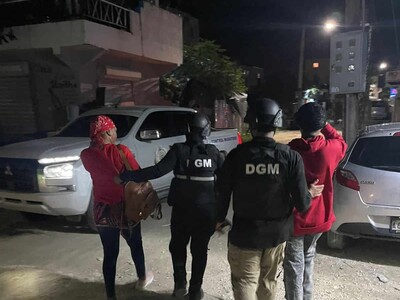
Dominican Republic’s Use of ‘Risk Profile’ in Foreign Entry Rejections Raises Legal Questions
Translated from Spanish and summarized by DistantNews. Read the original for the full story.
At a glance
Explainer
Official statement
Context piece
- The Dominican Republic rejected 116 foreign nationals in July, including 28 whom immigration authorities classified as having a “risk profile for national security.”
- Migration Law 285-04 allows authorities to deny entry for reasons including criminality, terrorism and prior bans, but does not define “risk profile” as an independent category.
- The migration authority says its assessments draw on alerts, records, data analysis, artificial intelligence and passenger-profiling techniques.
Twenty-eight foreigners denied entry to the Dominican Republic in July were classified by immigration authorities as presenting a “risk profile for national security.” The label appears in migration records, but not as a standalone category in the country’s migration law.
The Directorate General of Migration rejected 116 foreigners during the month. The largest group was not turned away for passport problems, missing visas or overstaying previous visits. Instead, officials cited the risk-profile designation in 28 cases.
Law 285-04 gives migration authorities the power to admit or reject foreigners when they arrive. A Dominican visa does not guarantee entry. Article 18 says a visa creates eligibility for admission, but does not provide unconditional admission.
Article 15 lists grounds for exclusion, including serving or facing prosecution for criminal offenses, having criminal records that indicate a danger incompatible with joining Dominican society, belonging to terrorist organizations that threaten state security, or having previously been deported, expelled or expressly barred from entering.
The law also says authorities should consider the nature of an offense, the sentence, repeat offending and whether a penalty or prosecution has ended. A criminal record alone therefore does not automatically constitute a ban in every case. The migration authority has identified recurring alerts involving sexual offenses, money laundering, human trafficking, drug trafficking and organized crime. It has also trained intelligence and migration-control personnel in advanced passenger-risk assessment using data analysis, artificial intelligence and profiling techniques.
About this summary
Originally published by Diario Libre in Spanish. Translated, summarized, and contextualized automatically by DistantNews, with a note on how the source frames the story. Not individually reviewed before publishing. How this works.
More Stories



From Our Blog

What Gets Lost (and Found) When News Is Translated

The Critical Role of Diaspora Media in Global News

What Travellers Should Know About Countries with Restricted Press

A Digital Nomad's Guide to Following Local News

How the Same Story Looks Different in Different Countries
