

Don't Imagine Food When Hungry: Study Links Mental Visualization to Increased Cravings
Translated from Korean, summarized and contextualized by DistantNews.
At a glance
News
Sources not specified
Context piece
- Imagining food when hungry makes it seem more appealing and harder to resist, a study found.
- Participants in a fasting state vividly recalled food flavors and textures more intensely than when full.
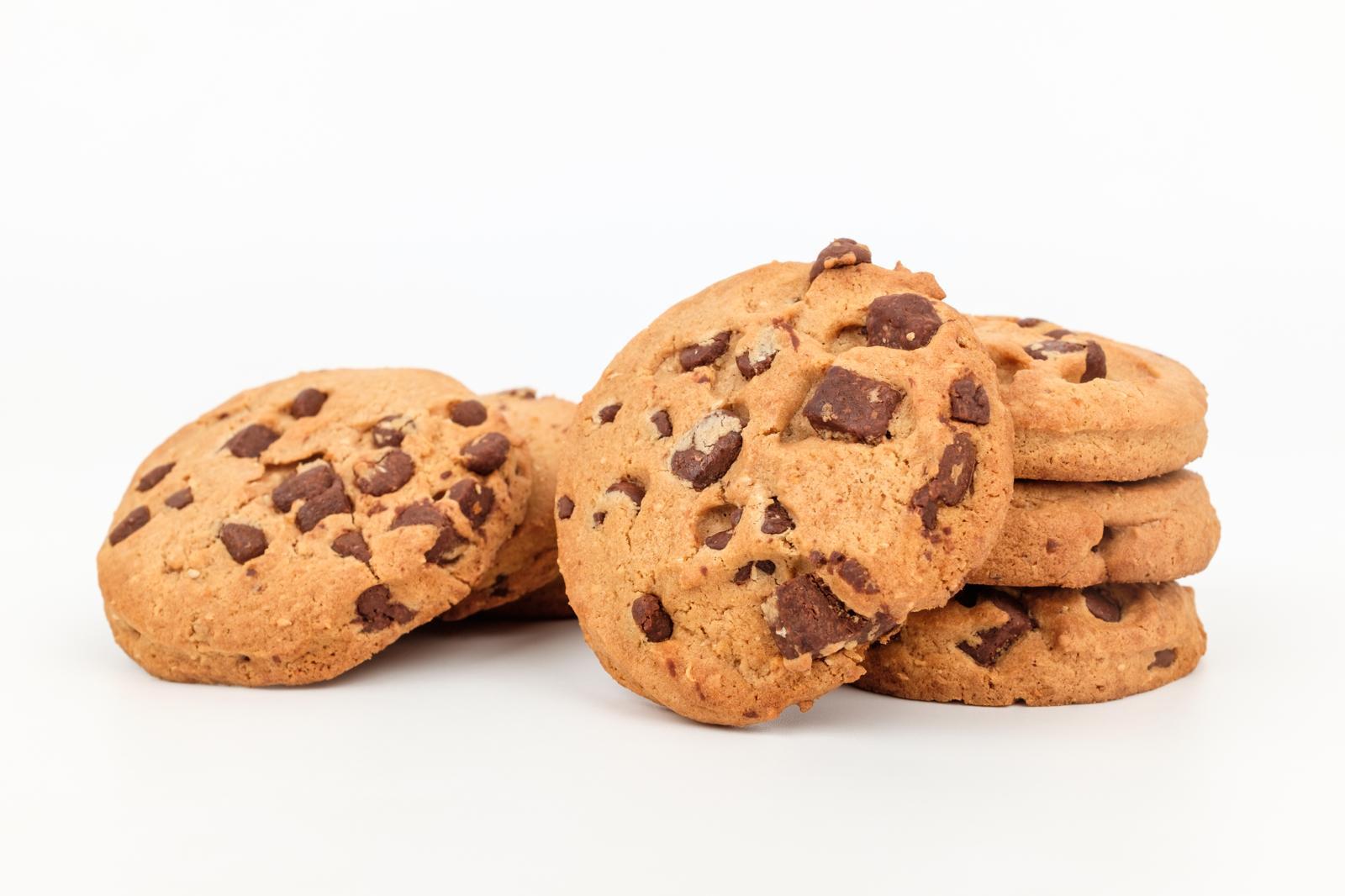
- Repeatedly imagining eating a food, like chocolate cookies, increased the desire to consume it.
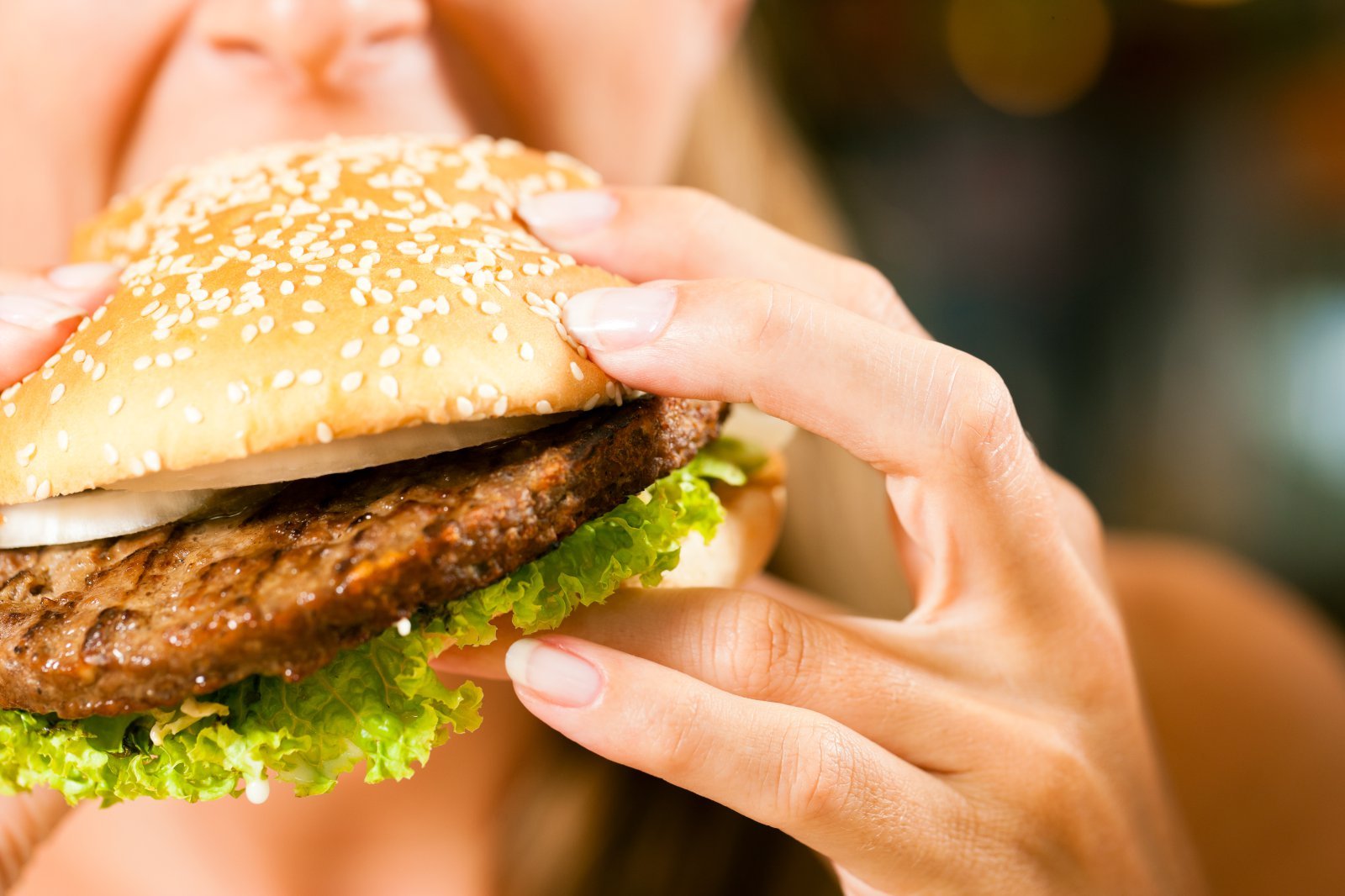
Visualizing food when hungry can intensify cravings and make it harder to resist, according to new research published in the journal 'Appetite'. The study suggests that the mental act of imagining food triggers a more vivid sensory experience when one is fasting compared to when feeling satiated.
Researchers conducted experiments where adult participants, divided into fasting and non-fasting groups, were shown various food images and asked to imagine their taste and texture. The findings indicated that individuals experiencing hunger recalled food flavors and aromas more rapidly and with greater clarity than those who were full.
This heightened sensory recall was particularly pronounced when participants imagined the 'taste and smell' of food, rather than just its texture. In a second experiment, participants who repeatedly imagined eating chocolate cookies showed an increased preference and desire for the actual food, suggesting that mental simulation can amplify appetite.
DistantNews Editorial
Originally published by Dong-A Ilbo in Korean. Translated, summarized, and contextualized by our editorial team with added local perspective. Read our editorial standards.
More Stories


From Our Blog

What Gets Lost (and Found) When News Is Translated

The Critical Role of Diaspora Media in Global News

What Travellers Should Know About Countries with Restricted Press

A Digital Nomad's Guide to Following Local News

How the Same Story Looks Different in Different Countries
