


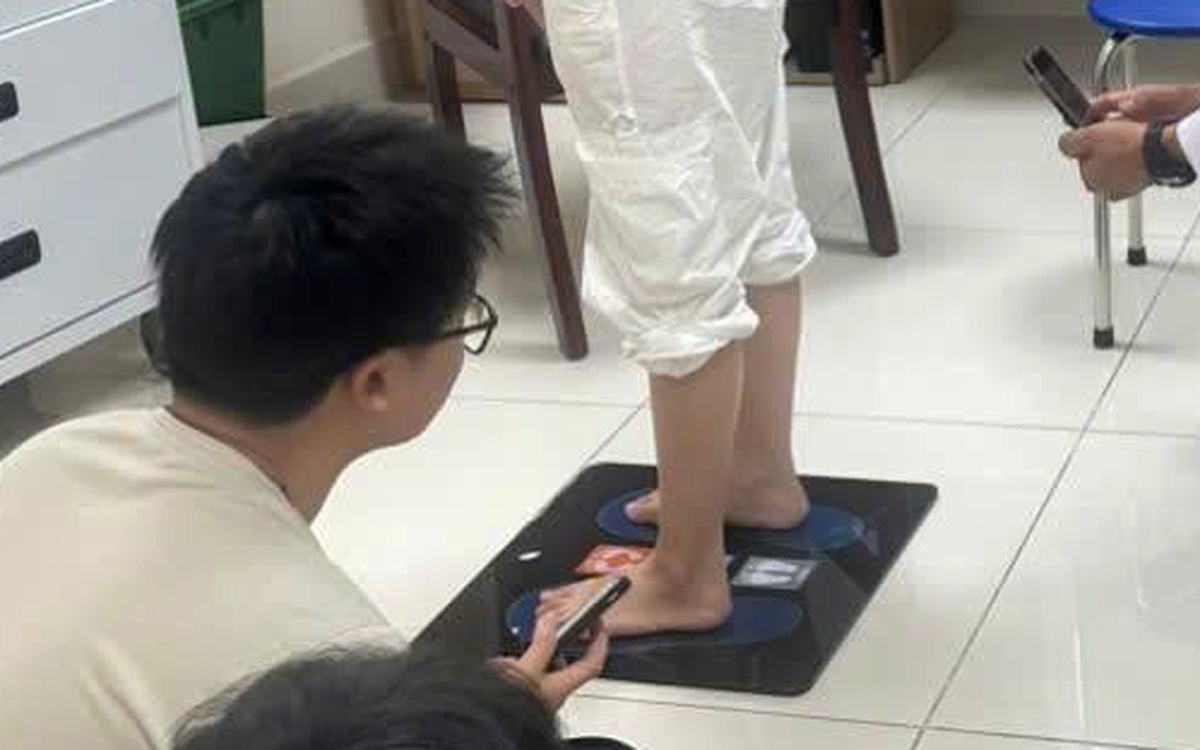
Don't Panic When Your Child Has Flat Feet
Translated from Vietnamese, summarized and contextualized by DistantNews.
At a glance
Explainer
Sources not specified
Context piece
- Many parents worry their children have flat feet, but this is a normal developmental stage for most young children.
- Up to 97% of children under 2 and 54% under 6 have flat feet, and only 20-37% of the general population retains this condition into adulthood.
- Parents should only seek medical attention if a child experiences pain, has an unusual gait, has only one flat foot, or if the condition persists with symptoms past age 7-8.
Modern parents, inundated with online health information, often develop anxieties about common childhood conditions, with flat feet being a prime example. The sheer volume of accessible articles and videos can amplify concerns, leading to unnecessary worry about a condition that is typically normal for young children.
In reality, flat feet are a natural part of development. All newborns have flat feet, and the arch typically forms gradually. Studies show a high prevalence: up to 97% of children under two and 54% under six have flat feet. While the condition persists into adulthood for 20-37% of the population, it doesn't necessarily cause problems. Research on athletes, for instance, found that 12.8% had flat feet, yet this shape did not correlate with pain or functional limitations.
Medical intervention is generally not required unless specific symptoms arise. Parents can usually rest assured if their child does not complain of foot or leg pain during activity, walks normally, runs and jumps happily, has symmetrical feet, and does not exhibit unusual limping or frequent tripping. These indicators suggest that the flat feet are not impacting the child's mobility or comfort.
However, parents should consult a doctor if their child experiences pain in the feet, ankles, knees, hips, or back. Other warning signs include an abnormal gait with excessive inward or outward turning of the feet, asymmetry where only one foot is flat, or if the arch remains completely flat with accompanying symptoms beyond the age of seven or eight. Children who are overweight or have a family history of severe flat feet may also warrant closer monitoring.
DistantNews Editorial
Originally published by Tuổi Trẻ in Vietnamese. Translated, summarized, and contextualized by our editorial team with added local perspective. Read our editorial standards.
More Stories



From Our Blog

What Gets Lost (and Found) When News Is Translated

The Critical Role of Diaspora Media in Global News

What Travellers Should Know About Countries with Restricted Press

A Digital Nomad's Guide to Following Local News

How the Same Story Looks Different in Different Countries
