


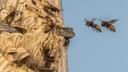
Don't Swat Hornets: Experts Reveal Natural Deterrents and Safety Tips
Translated from Croatian, summarized and contextualized by DistantNews.
At a glance
News
Sources not specified
Context piece
- Experts advise against swatting at hornets, as it can provoke them and lead to stings.
- Natural methods like peppermint oil, specific plant scents, and simple traps can help deter hornets without chemicals.
- If a hornet's nest is found near the home, it is recommended to leave its removal to professionals due to the insects' aggressive defense.
As warmer weather arrives, so do unwelcome visitors like bees, wasps, and hornets, often disrupting outdoor enjoyment. While many instinctively swat at these insects to drive them away, experts caution that this is a common mistake that can provoke them. Instead, they recommend several natural methods to keep hornets at bay without resorting to chemicals.
Hornets are particularly concerning due to their painful stings. Experts note that these insects are attracted to sweet scents, open drinks, and overripe fruit, often seeking water or shelter near homes, especially during the peak summer months when colonies are actively foraging. To deter them, a mixture of peppermint oil, water, and a small amount of dish soap sprayed in areas where hornets are spotted can be effective, with some research suggesting it rivals chemical repellents.
Other natural deterrents include using essential oils like eucalyptus, cedar, or neem oil. Simple traps can also be made using a mixture of water, dish soap, sugar, and vinegar; the vinegar attracts the hornets, while the dish soap prevents them from escaping. A more aromatic approach involves placing halved lemons studded with cloves in areas frequented by hornets, as they tend to avoid this scent combination. Certain plants, such as mint, basil, thyme, citronella, wormwood, marigolds, and geraniums, also possess scents that naturally repel hornets, though they may not completely prevent their arrival.
To further minimize the chances of hornets visiting, it's advised to keep food waste secured and trash cans tightly closed. Crucially, if a hornet's nest is discovered near the home, experts strongly advise against attempting to remove it personally. Hornets can become extremely aggressive when defending their colony, making professional pest control services the safest option for removal.
DistantNews Editorial
Originally published by Večernji List in Croatian. Translated, summarized, and contextualized by our editorial team with added local perspective. Read our editorial standards.
More Stories



From Our Blog

What Gets Lost (and Found) When News Is Translated

The Critical Role of Diaspora Media in Global News

What Travellers Should Know About Countries with Restricted Press

A Digital Nomad's Guide to Following Local News

How the Same Story Looks Different in Different Countries
