

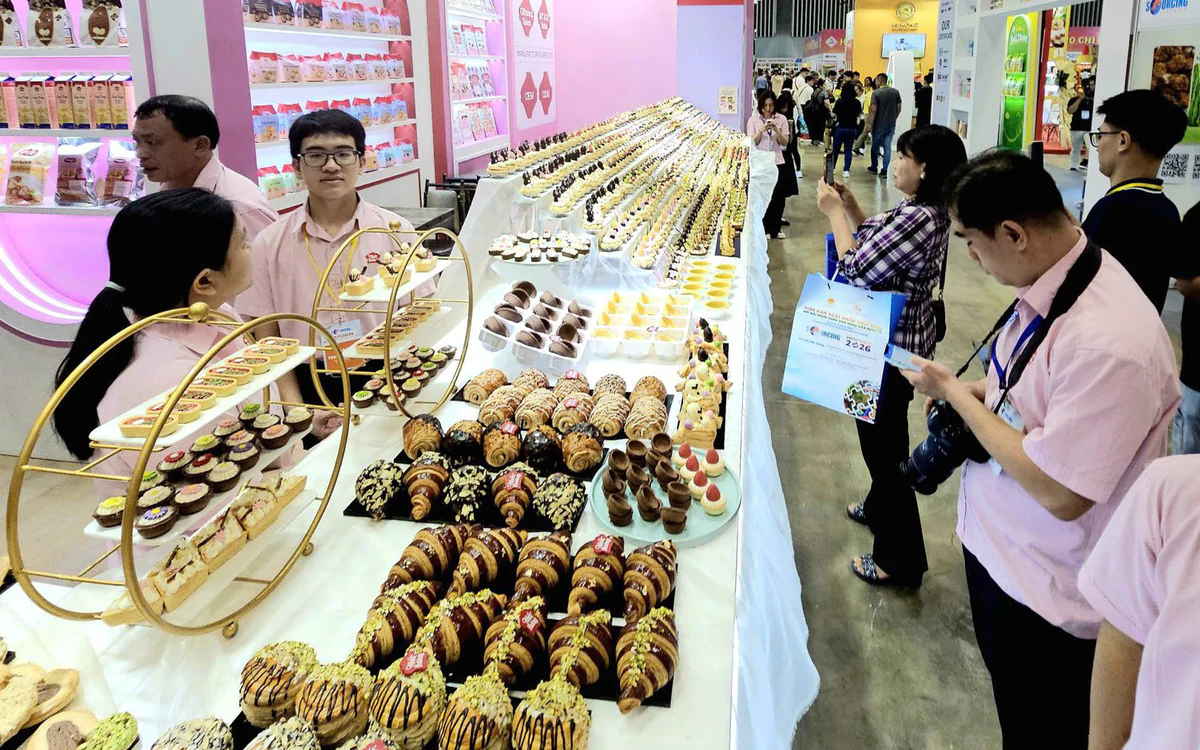

Dong Nai's 'world's best' cashews eye Michelin star
Translated from Vietnamese and summarized by DistantNews. Read the original for the full story.
At a glance
News
Named sources
Context piece
- Vietnam's cashew industry is a global leader, exporting over $5.4 billion in kernel in 2025 to more than 112 countries.
- Dong Nai province aims to transform its cashew sector into a high-tech, sustainable global value chain leader by 2030.
- Key strategies include upgrading cashew varieties, investing in processing technology, and enhancing traceability to meet international standards.
Dong Nai province in Vietnam is striving to elevate its cashew industry, aiming to become a global leader in high-tech, sustainable cashew processing by 2030. The province, a key cashew-growing region with over 176,000 hectares and an annual output of 300,000 tons of raw cashews, is recognized for producing what is considered the "tastiest cashews in the world."
From now until 2030, the Dong Nai cashew industry needs to strongly shift from a cashew kernel processing center model to a high-tech, green, deep, modern cashew industry center capable of leading the global value chain.
At a recent scientific conference, experts and industry stakeholders discussed strategies for sustainable development. The Vietnam Cashew Association (Vinacas) highlighted the industry's significant global standing, with exports projected to exceed $5.4 billion in 2025, reaching over 112 countries and dominating the global market with an 80% share.
To maintain competitiveness, businesses must invest in advanced processing technology, brand building, and digital transformation. This is crucial as major importing markets increasingly tighten standards for traceability, sustainability, carbon emissions, and social responsibility within supply chains. Farmers are also urged to rejuvenate cashew orchards with new, high-yield, drought-resistant, and pest-resistant grafted varieties.
The major importing markets are increasingly tightening standards for traceability, sustainable development, carbon emissions, and social responsibility in the supply chain.
Proposals for the sector's future include establishing electronic geographical indications linked to businesses and farmers, innovative trade promotion involving government officials and influencers, and reinvesting a portion of the budget into seeds and agricultural extension services. Creating a "cashew cultural space" and improving product information connectivity are also envisioned to boost the industry's profile and market reach.
We must change and rejuvenate the cashew orchards with new grafted varieties that have high yield, good drought resistance, and are resistant to pests and diseases. This is the key solution to improve the economy for farmers.
About this summary
Originally published by Thanh Niên in Vietnamese. Translated, summarized, and contextualized automatically by DistantNews, with a note on how the source frames the story. Not individually reviewed before publishing. How this works.
More Stories


From Our Blog

News in Translation: What Gets Lost, and How We Keep the Framing

Diaspora Media: How Communities Abroad Follow Home

Traveling Where the Press Is Not Free: How to Read the News There

The Digital Nomad's Guide to Local News

The Same Story, Different Countries: How Coverage Changes at the Border
