


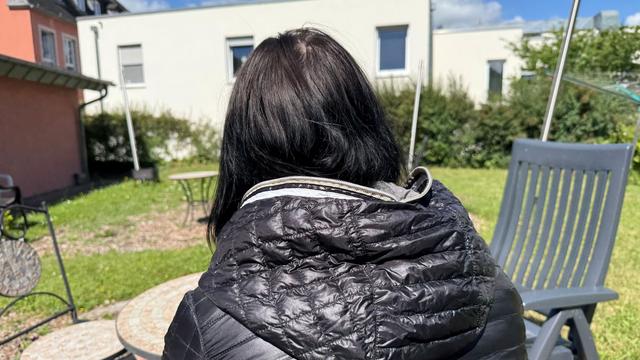
Downward spiral: Fallen - A homeless woman tells her story
Translated from German, summarized and contextualized by DistantNews.
At a glance
News
From a news agency
Context piece
- The number of homeless women in Germany is rising significantly, with one facility in Trier seeing a fourfold increase in visitors since before the pandemic.
- Many women fall into homelessness due to dependency on partners who are often violent or criminal, leading to job and housing loss.
- Support services are strained, with increased demand for emergency shelter and a rise in psychological issues and aggression among those affected.
Maria, a 38-year-old Lithuanian woman, recounts a life that spiraled downwards, leading to her current homelessness in Trier. She describes a past where her life was stable and she had money, but a series of relationships with men, one criminal and one violent, disrupted her stability. Repeated moves and job loss, first from a restaurant, culminated in losing her apartment.
The landlord came and said I had to be out in ten minutes.
"The landlord came and said I had to be out in ten minutes," Maria recalled. Unable to pay rent in a small town near Mainz, she also lost custody of her daughter, who was placed in youth welfare care. "The separation from her was the worst thing in my life." Maria sought refuge with friends and sometimes slept on the stairs outside a women's shelter, feeling shame and enduring gossip. "I have no money, I have no apartment, I have no friends."
Now staying at the "Café Haltepunkt," a facility for homeless women run by the Social Service of Catholic Women (SKF) in Trier, Maria is seeking help and a fresh start. She is currently housed in the associated emergency shelter, finding comfort in having showered, slept, and washed her clothes. Her story, according to Regina Bergmann, head of SKF Trier, is a common narrative among homeless women.
The separation from her was the worst thing in my life.
Bergmann explains that motherhood can lead to emotional and economic dependency. When partners are irresponsible or absent, women can fall into a downward spiral. "They simply put the women out on the street. For whatever reason," she stated, noting that men often hold the rental agreements. The number of homeless women has surged dramatically, with "Café Haltepunkt" seeing visitor numbers jump from 200 annually before the pandemic to 800. Emergency accommodations are insufficient, forcing the facility to set up containers and even double up residents, pushing them to their limits.
I have no money, I have no apartment, I have no friends.
Bergmann stresses the issue affects everyone, citing human dignity and the lack of adequate mental health care for many homeless women. The situation has led to increased aggression and assaults on SKF staff, as the women's unmet medical needs can exacerbate their conditions. "Both sides can become victims of violence and aggression," she warned, highlighting the potential public safety risks and the urgent need for more resources, programs, and funding.
And with men who take no responsibility, the women get into a downward spiral.
DistantNews Editorial
Originally published by Die Zeit in German. Translated, summarized, and contextualized by our editorial team with added local perspective. Read our editorial standards.
More Stories



From Our Blog

What Gets Lost (and Found) When News Is Translated

How the Same Story Looks Different in Different Countries

The Critical Role of Diaspora Media in Global News

What Travellers Should Know About Countries with Restricted Press

A Digital Nomad's Guide to Following Local News
