


Nature conservation: Birdsong: Who's chirping there?
Translated from German, summarized and contextualized by DistantNews.
At a glance
News
From a news agency
Context piece
- Birdsong in Germany will decrease significantly after mid-July as birds finish their second breeding season.
- Species like blackbirds, blue tits, and great tits are currently very active, with blackbirds being early risers and blue tits known for their varied songs.
- Experts note that bird songs change seasonally, with males singing primarily to attract mates and mark their territory.
The vibrant chorus of birdsong that fills German mornings will soon begin to fade. Bird expert Bernd Petri from Nabu Hessen in Wetzlar explains that the loud singing will noticeably decrease starting in mid-July. Currently, species like the blackbird, blue tit, and great tit are particularly active, many preparing for their second brood of the year.
From mid-July, the singing will decrease significantly.
The blackbird is an early riser, starting its melodic calls about 45 minutes before sunrise. The blue tit follows about 10 minutes later, characterized by its diverse song that often begins with a high-pitched "tii-tii." Shortly after, the great tit joins in, preferring what the Nabu describes as more monotonous verses, with "zi-zi-bäh" being a common motif.
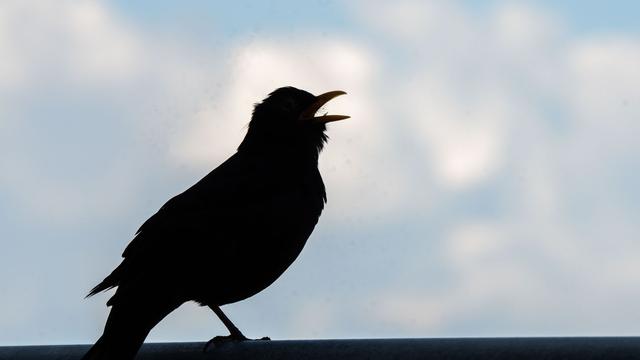
The blackbird belongs to the early risers, starting its melodic trills and chirps about 45 minutes before sunrise.
While these birds are active participants in the morning symphony, the garden warbler is the earliest of all, heard from April to June. It begins its chirping with a melancholic "hüit," followed by "tick-tick-tick," as much as 80 minutes before dawn. In contrast, finches are late risers, only becoming ready to sing about ten minutes before sunrise, continuing their songs until July.
Its trademark is a very varied song, which usually begins with a high 'tii-tii'.
The chaffinch sings loudly and cheerfully, while the greenfinch, with its numerous whistles and trills like "djüpp-djüpp-djüpp-djüüürrrrrrrr-tju-tju-tju," can sometimes sound like a canary. Petri points out that bird songs are not static; they evolve each season, with some species, like the great tit, developing "summer hits." Generally, only the male birds sing, using their songs as a primary method to attract females and to establish and defend their territories.
The Nabu prefers rather monotonous verses, with a 'zi-zi-bäh' being one of its popular motifs.
DistantNews Editorial
Originally published by Die Zeit in German. Translated, summarized, and contextualized by our editorial team with added local perspective. Read our editorial standards.
More Stories



From Our Blog

What Gets Lost (and Found) When News Is Translated

How the Same Story Looks Different in Different Countries

The Critical Role of Diaspora Media in Global News

What Travellers Should Know About Countries with Restricted Press

A Digital Nomad's Guide to Following Local News
