


DPR Proposes Temporary Halt to Free Meal Program During School Holidays
Translated from Indonesian, summarized and contextualized by DistantNews.
At a glance
News
Named sources
New plan
- A legislative body in Indonesia has proposed temporarily halting the free nutritious meal program during school holidays.
- The proposal follows a report of over $1 billion in monthly budget waste within the program.
- Lawmakers are calling for a thorough evaluation of the program's management, food safety, and budget efficiency.
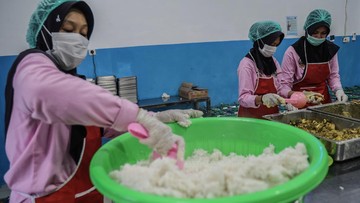
Indonesia's House of Representatives Commission IX has proposed a temporary suspension of the free nutritious meal (MBG) program during the upcoming school holidays, which run from June 29 to July 10. This suggestion comes in response to a finding by the Coordinating Ministry for Food Security indicating a monthly budget wastage exceeding 1 trillion Indonesian rupiah (approximately $61 million).
According to me, the upcoming school holiday momentum can be used to temporarily halt the implementation of the MBG program while a comprehensive evaluation of the program's governance is carried out.
Charles Honoris, the Deputy Chairman of Commission IX, views this finding as a critical alarm, urging immediate evaluation. He believes the school holiday period presents an opportune moment to pause the MBG program for a comprehensive review of its governance. Honoris stressed that the alleged wastage cannot be taken lightly, especially given the government's current fiscal pressures and significant budgetary needs in other sectors.
During the evaluation period, the government needs to conduct an audit of all operating school canteens, both in terms of food safety, food quality, budget efficiency, and procurement governance.
During this evaluation period, Honoris recommended that the government conduct audits of all operating school canteens. These audits should assess food safety, food quality, budget efficiency, and procurement management. He also stated that canteens failing to meet standards or repeatedly causing food poisoning cases should be permanently closed. The deputy chairman highlighted that over 40,000 children have reportedly suffered from food poisoning linked to the MBG program, underscoring the priority of safety and quality.
Canteens that are proven not to meet standards or have repeatedly caused poisoning cases must be permanently closed.
Looking ahead, Honoris emphasized that the success of the MBG program should not be measured solely by the number of beneficiaries or the amount of money spent. The primary metrics should be whether the program genuinely improves the nutritional status of children in need, ensures food safety, and operates with efficiency and accountability. This call for reform aims to ensure the program effectively serves its intended purpose without compromising public funds or children's health.
The most important thing is whether this program has truly succeeded in improving the nutritional status of children in need, is safe to consume, and is managed efficiently and accountably.
DistantNews Editorial
Originally published by CNN Indonesia in Indonesian. Translated, summarized, and contextualized by our editorial team with added local perspective. Read our editorial standards.
More Stories


From Our Blog

What Gets Lost (and Found) When News Is Translated

The Critical Role of Diaspora Media in Global News

What Travellers Should Know About Countries with Restricted Press

A Digital Nomad's Guide to Following Local News

How the Same Story Looks Different in Different Countries
