


DRAM Giants Split on Next-Gen HBM Strategy: 'Absolute Performance' vs. 'Supply Stability'
Translated from Korean, summarized and contextualized by DistantNews.
At a glance
News
Sources not specified
Context piece
- Global DRAM manufacturers are diverging on strategies for the next-generation HBM4 memory.
- Samsung Electronics aims to strengthen its market position with superior performance, while SK Hynix focuses on both performance and supply stability.
- The divergence stems from the shift in manufacturing processes for the base die, which controls multiple DRAM layers, from traditional DRAM processes to advanced logic processes.
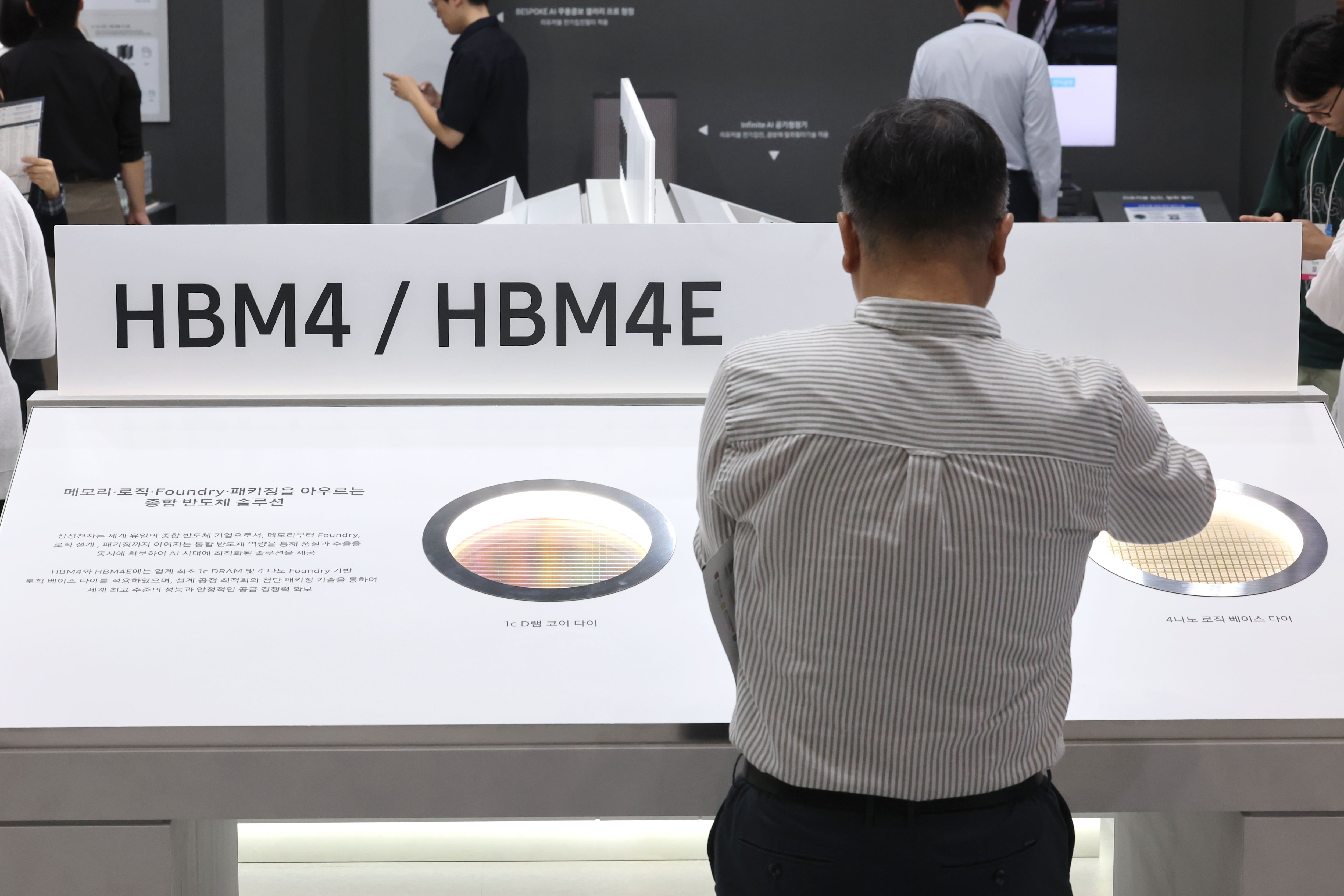
The global DRAM industry's top three players are adopting distinct strategies as they approach the sixth-generation High Bandwidth Memory (HBM4). This divergence is driven by a fundamental shift in the manufacturing process for the base die, the component that controls multiple DRAM layers at the bottom of the HBM stack. This critical 'brain' is moving from traditional DRAM processes to advanced logic processes.
Samsung Electronics is pursuing a strategy centered on 'absolute performance' to solidify its market standing. This approach prioritizes pushing the boundaries of speed and efficiency in its HBM products.
In contrast, SK Hynix is balancing performance with supply stability. This strategy suggests a focus on ensuring a consistent and reliable flow of HBM products to meet market demand, potentially appealing to customers who prioritize dependable supply chains alongside high performance.
DistantNews Editorial
Originally published by Chosun Ilbo in Korean. Translated, summarized, and contextualized by our editorial team with added local perspective. Read our editorial standards.
More Stories



From Our Blog

What Gets Lost (and Found) When News Is Translated

The Critical Role of Diaspora Media in Global News

What Travellers Should Know About Countries with Restricted Press

A Digital Nomad's Guide to Following Local News

How the Same Story Looks Different in Different Countries
