


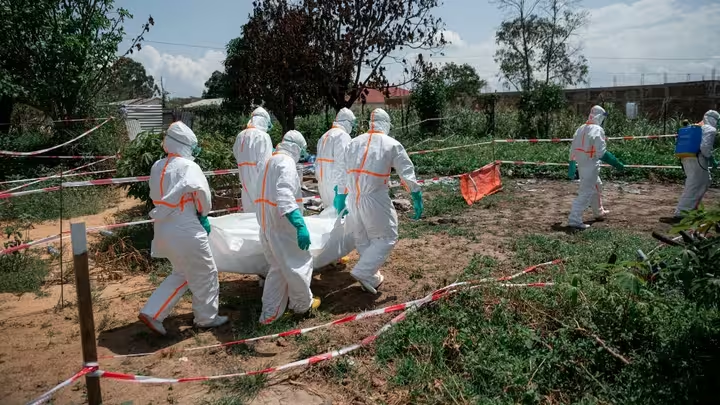
DRC Ebola Epidemic Surpasses 2,000 Deaths, Raising Global Concerns
Translated from French, summarized and contextualized by DistantNews.
At a glance
News
Sources not specified
Ongoing story
- The Democratic Republic of Congo has surpassed 2,000 deaths from an Ebola epidemic, marking the fastest and deadliest outbreak in the country's history.
- The current outbreak, caused by the rare Bundibugyo strain, has a 45% fatality rate and lacks a specific vaccine or approved treatment, raising international concern.
- The epidemic's spread is exacerbated by ongoing security crises in eastern DRC, hindering efforts to provide medical care and access to affected areas.
The Democratic Republic of Congo is grappling with its most severe Ebola epidemic to date, having crossed the grim milestone of 2,000 deaths on August 11. The current outbreak, declared in May 2026, has recorded over 4,300 cases with a staggering 45% fatality rate. Health authorities warn it could become the largest and deadliest Ebola epidemic globally.
This 17th Ebola outbreak in the DRC is nearing the death toll of the 2018-2020 crisis, which claimed over 2,300 lives. The situation is particularly concerning as the Bundibugyo virus, prevalent in the eastern region, is a rare strain for which no specific vaccine or approved treatment is yet available, despite ongoing clinical trials for vaccines like Ervebo.
Compounding the crisis, the Congolese authorities' engagement is perceived as weak, with a heavy reliance on international aid. President Félix Tshisekedi's administration has been criticized for a lack of strong action. Furthermore, persistent security issues in eastern DRC severely impede anti-Ebola efforts, making it nearly impossible to treat patients amidst ongoing conflict. Resolving the security crisis is seen as crucial for effective Ebola containment, but prospects for peace remain uncertain.
DistantNews Editorial
Originally published by Le Pays in French. Translated, summarized, and contextualized by our editorial team with added local perspective. Read our editorial standards.
More Stories
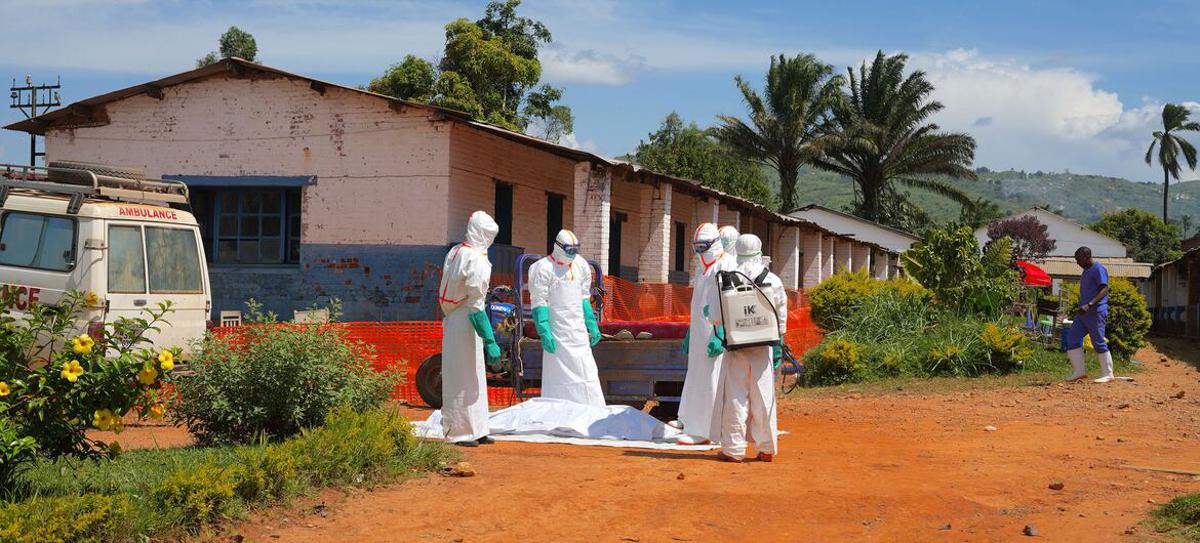
From Our Blog

What Gets Lost (and Found) When News Is Translated

The Critical Role of Diaspora Media in Global News

What Travellers Should Know About Countries with Restricted Press

A Digital Nomad's Guide to Following Local News

How the Same Story Looks Different in Different Countries
