

DRC Faces Volatile Political Climate Amidst Protests and Counter-Protests Over Constitution
Translated from French, summarized and contextualized by DistantNews.
At a glance
News
Named sources
Context piece
- The Democratic Republic of Congo (DRC) faces escalating political tensions as opposition groups and civil society organizations call for a "dead city" day to protest President Félix Tshisékédi's alleged attempts to extend his term.
- In response, religious leaders supporting constitutional changes have organized counter-demonstrations, highlighting the deep societal divisions.
- The article warns that these conflicting mobilizations risk igniting sociopolitical instability in a country already grappling with an ongoing conflict in its eastern region and a resurgence of the Ebola virus.
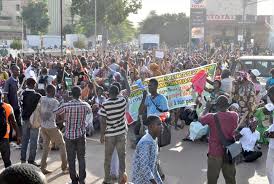
The Democratic Republic of Congo (DRC) is teetering on the brink of sociopolitical instability, marked by opposing demonstrations surrounding the constitution. On June 3, 2026, the Congolese opposition and civil society actors, united under the C64 coalition, observed a "dead city" day. They urged citizens to stay home to protest President Félix Tshisékédi's perceived efforts to prolong his stay in power beyond his current constitutional term.
Just two days later, on June 5, 2026, pastors advocating for constitutional reform took to the streets with their followers. These counter-demonstrations express support for the incumbent president, highlighting the stark divisions within the nation. The article likens the situation to a "volcano" upon which the DRC is dancing, emphasizing the risks of sociopolitical upheaval.
These opposing mobilizations are not new in Africa, where many leaders have sought to extend their rule through constitutional manipulation. The article cautions that such clashes often have severe consequences, and the DRC, already battling a protracted conflict in its eastern provinces fueled by the M23 rebels and Rwandan support, cannot afford further destabilization. The ongoing resurgence of the Ebola hemorrhagic fever also demands significant international and national attention.
The author argues that focusing on constitutional changes amidst these crises is misplaced. The article expresses concern that a political crisis could erupt alongside the existing security and health emergencies. Drawing parallels with other African nations, the piece warns that while the beginnings of such crises are often clear, their scale and outcomes remain uncertain. The DRC must learn from history to avoid exacerbating its already precarious situation.
DistantNews Editorial
Originally published by Le Pays in French. Translated, summarized, and contextualized by our editorial team with added local perspective. Read our editorial standards.
More Stories

From Our Blog

What Gets Lost (and Found) When News Is Translated

The Critical Role of Diaspora Media in Global News

What Travellers Should Know About Countries with Restricted Press

A Digital Nomad's Guide to Following Local News

How the Same Story Looks Different in Different Countries
