

DRC 'Ghost Town' Protest Against Potential Constitutional Revision Fails to Sway Tshisékédi
Translated from French, summarized and contextualized by DistantNews.
At a glance
News
Sources not specified
Ongoing story
- Opposition figures and civil society in the Democratic Republic of Congo called for a "ghost town" day to protest President Félix Tshisékédi's potential bid for a third term.
- The protest saw significant compliance in Kinshasa, with businesses closing and the city operating at a reduced pace.
- The article suggests that Tshisékédi may bypass the constitution through a referendum, a tactic previously used by other African leaders, and that the political situation will depend on the balance of power.
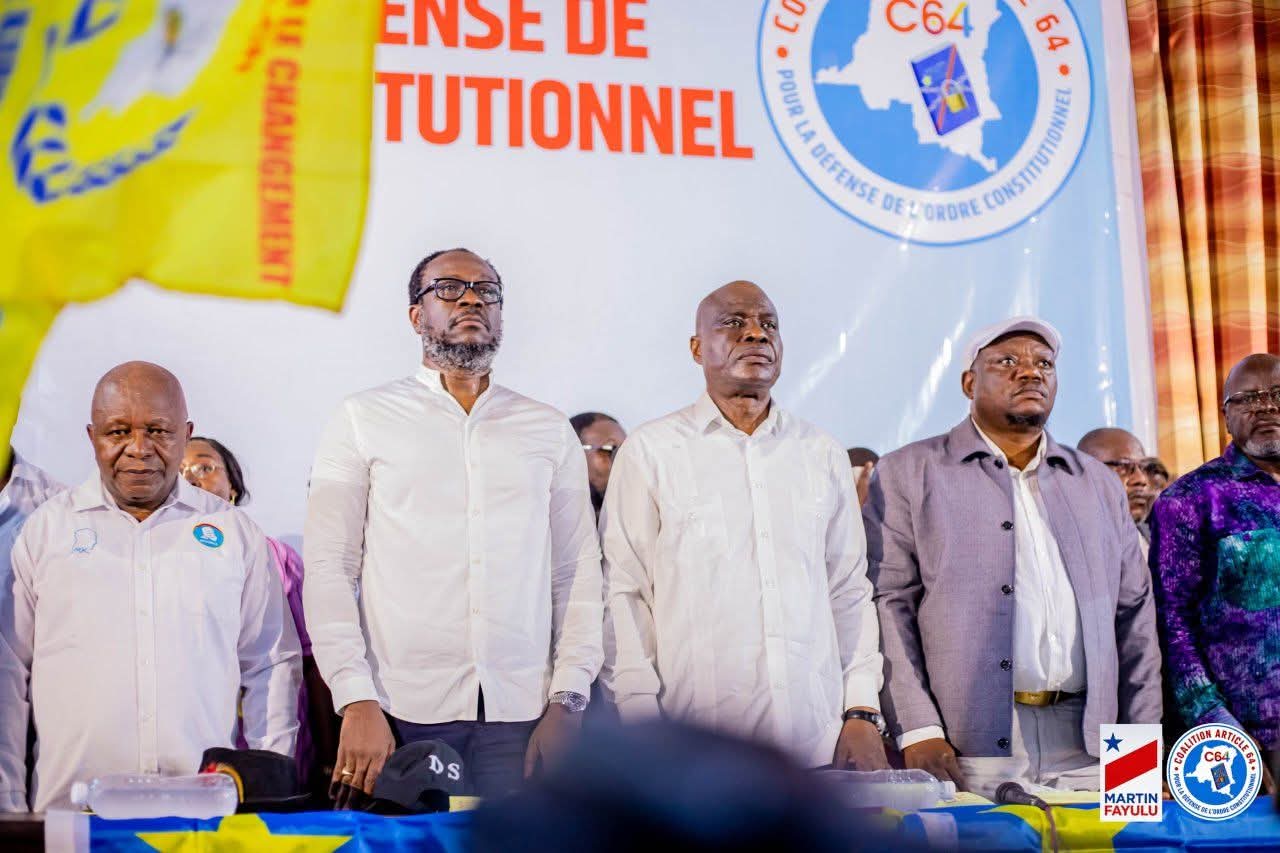
A nationwide "ghost town" protest was observed in the Democratic Republic of Congo on June 3, as opposition groups and civil society organizations voiced their strong opposition to President Félix Tshisékédi's rumored plans to revise the constitution and seek a third term in office. The call for a "ville morte" was largely heeded, particularly in the capital, Kinshasa, where daily life ground to a halt, with most businesses remaining shuttered.
Organizers, united under the banner of "C 64," are hopeful that the success of this initial protest will encourage further mobilization. They aim to pressure Tshisékédi into abandoning his alleged ambition for a third mandate. However, the article suggests that making the president relinquish his plans will require more than just street demonstrations.
It will take more to make Félix Tshisékédi yield.
Sources indicate that Tshisékédi might opt for a referendum to circumvent constitutional provisions, a strategy reminiscent of tactics employed by other African leaders, such as the late Omar Bongo of Gabon. This approach would allow him to present his bid for a third term as a popular initiative. The article posits that Tshisékédi is unlikely to back down, driven by a conviction in his cause and a determination to see his political agenda through.
In response to the opposition's actions, the Congolese government is also mobilizing its supporters. Religious leaders who favor constitutional changes have called for a demonstration on June 5 to express their backing for the head of state. Ultimately, the article concludes that the outcome of the constitutional revision will hinge on the prevailing balance of power on the ground. If the forces supporting Tshisékédi gain the upper hand, the revision is likely to proceed; conversely, if the opposition can effectively rally its supporters, the project may be abandoned.
For a first action, we can say it was a success; the call was widely followed.
DistantNews Editorial
Originally published by Le Pays in French. Translated, summarized, and contextualized by our editorial team with added local perspective. Read our editorial standards.
More Stories


From Our Blog

What Gets Lost (and Found) When News Is Translated

The Critical Role of Diaspora Media in Global News

What Travellers Should Know About Countries with Restricted Press

A Digital Nomad's Guide to Following Local News

How the Same Story Looks Different in Different Countries
