


🇧🇫
Burkina Faso
DRC Receives First US-Expelled Migrants Amid Ethical Controversy
Translated from French, summarized and contextualized by DistantNews.
TLDR
- The Democratic Republic of Congo (DRC) has received its first group of 15 migrants expelled from the USA.
- This arrival marks the implementation of a migration agreement between the DRC and the US, with more arrivals expected monthly.
- The deal has sparked ethical debates and criticism within the DRC, questioning the government's priorities and potential hidden interests.
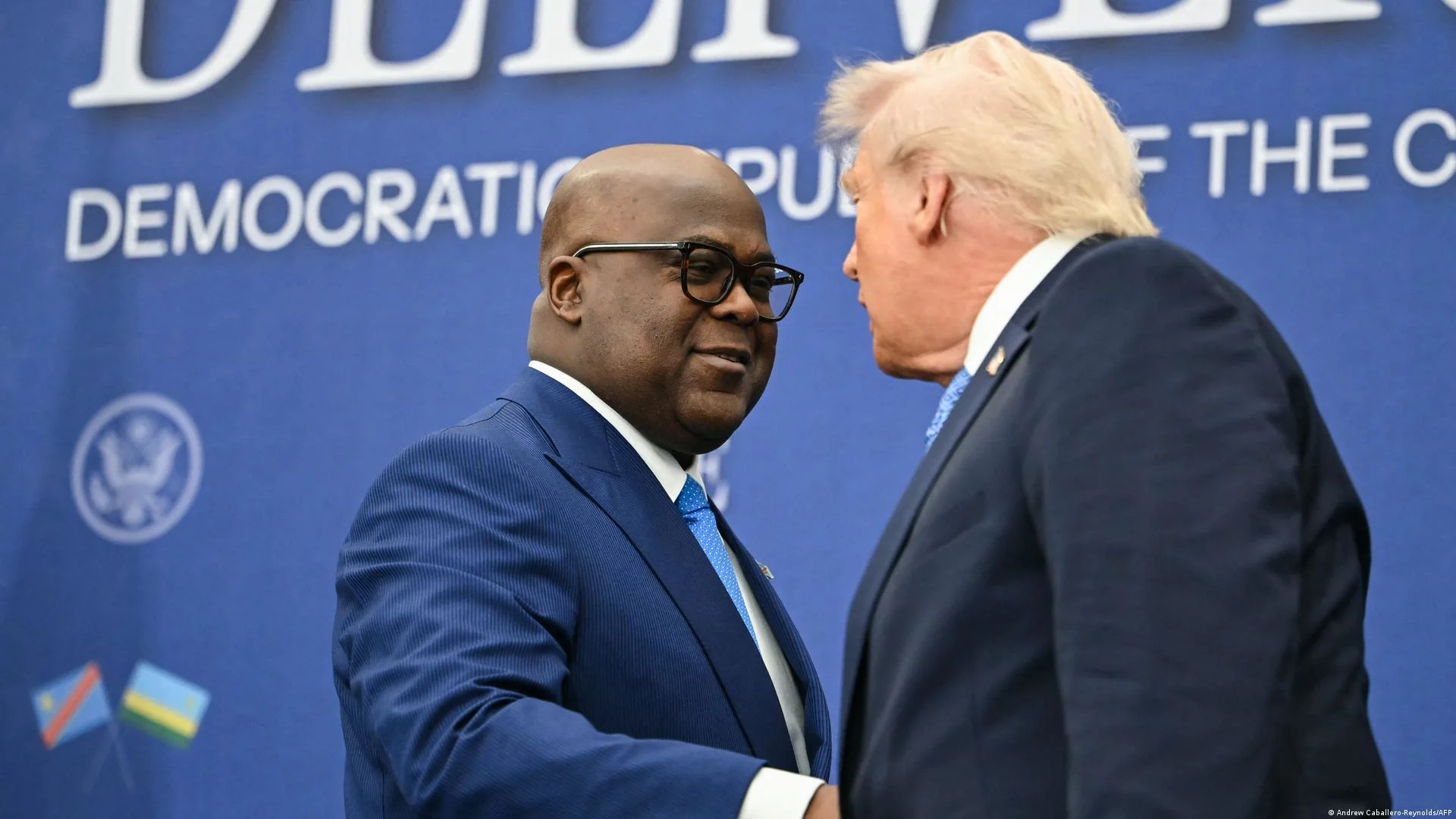
The Democratic Republic of Congo has become the latest African nation to sign a migration deal with the United States, a move that has ignited fierce debate and ethical scrutiny both domestically and internationally. The first wave of 15 migrants, comprising seven women and eight men, arrived in Kinshasa, marking the tangible beginning of an agreement that promises to see fifty to one hundred individuals deported from the US each month.
What about ethics in all of this?
This agreement places the DRC alongside countries like Ghana, Rwanda, Cameroon, and Eswatini, which have similar arrangements with Washington. However, the decision has drawn sharp criticism from many Congolese citizens and observers, who question the ethical implications of accepting migrants, particularly when the nation grapples with its own internal displacement and refugee crises. Critics argue that the government's resources could be better allocated to assisting its own displaced populations rather than accommodating those expelled from the US.
The question we ask ourselves is this: and ethics in all of this?
While the Congolese government, under President Félix Tshisekedi, denies any direct financial cost, the underlying motivations are widely suspected to be more complex. Speculation points towards potential security and financial benefits sought from Washington in exchange for hosting these migrants. This deal, viewed by many as potentially indecent, raises profound questions about national sovereignty, humanitarian responsibility, and the true interests at play when a nation agrees to become a repository for migrants rejected by another.
Certainly, the DRC is a sovereign country, but accepting such a deal can border on indecency.
DistantNews Editorial
Originally published by Le Pays in French. Translated, summarized, and contextualized by our editorial team with added local perspective. Read our editorial standards.
More Stories



From Our Blog

What Gets Lost (and Found) When News Is Translated

The Critical Role of Diaspora Media in Global News

What Travellers Should Know About Countries with Restricted Press

A Digital Nomad's Guide to Following Local News

How the Same Story Looks Different in Different Countries
