


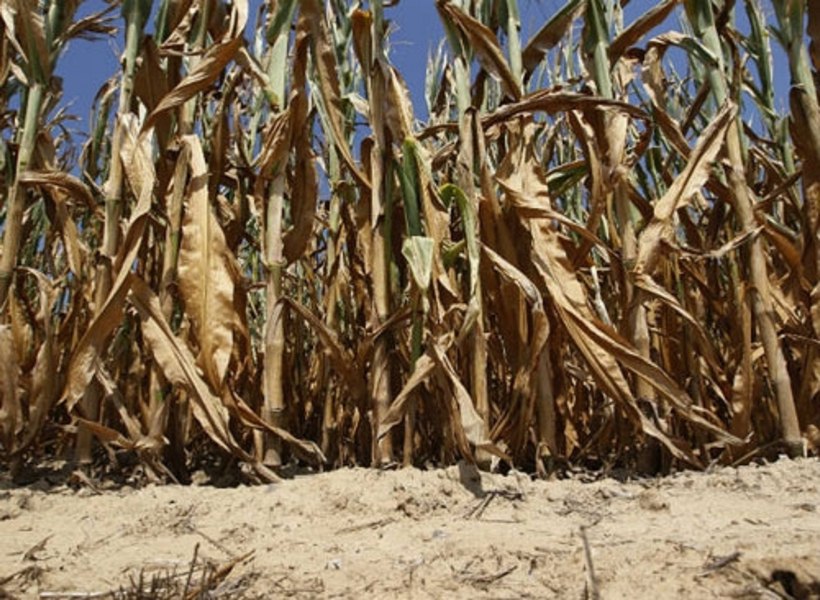
Drought Becomes Europe's New Normal as EU Aid System Struggles
Translated from Romanian, summarized and contextualized by DistantNews.
At a glance
News
Sources not specified
Context piece
- Drought is becoming the new normal in Europe, impacting agriculture.
- The EU's aid system struggles to address climate change-induced crises, treating recurring droughts as exceptional.
- Romania is among the countries seeking changes to the EU's rules to better manage climate challenges.
Europe is grappling with recurring drought conditions, which are increasingly becoming a persistent feature of the agricultural landscape. This shift signifies a fundamental change, moving beyond isolated incidents to a more continuous challenge for farmers across the continent. The persistent lack of rainfall is straining resources and impacting crop yields, raising concerns about food security and the long-term viability of traditional farming practices.
Despite the growing frequency of these climate-related events, the European Union's existing support mechanisms are proving inadequate. The current aid system is designed to handle exceptional circumstances, but it struggles to adapt to the reality of recurrent droughts. This mismatch means that aid may not be reaching affected regions effectively or in a timely manner, leaving farmers vulnerable to repeated losses.
In response, countries like Romania are actively advocating for a reform of the EU's rules. They argue that the existing framework needs to be updated to reflect the new climate reality. By seeking changes to the regulations, these nations aim to establish more robust and responsive support systems capable of managing the ongoing impacts of climate change on agriculture, ensuring greater resilience for European farmers.
DistantNews Editorial
Originally published by Adevărul in Romanian. Translated, summarized, and contextualized by our editorial team with added local perspective. Read our editorial standards.
More Stories


From Our Blog

What Gets Lost (and Found) When News Is Translated

The Critical Role of Diaspora Media in Global News

What Travellers Should Know About Countries with Restricted Press

A Digital Nomad's Guide to Following Local News

How the Same Story Looks Different in Different Countries
