

Drought cuts hydropower output in southwestern Germany
Translated from German, summarized and contextualized by DistantNews.
At a glance
News
Named sources
Context piece
- Persistent drought conditions in southwestern Germany are significantly reducing electricity generation from EnBW's run-of-river hydropower plants.
- Low water levels have forced some smaller plants offline or to operate at reduced capacity, impacting overall energy output.
- Hydropower generation for the year is currently at 80% of the reference value, with June figures being even lower.
Southwestern Germany is experiencing a notable decrease in electricity production from run-of-river hydropower plants due to ongoing drought conditions. Energy provider EnBW reported that the low water levels in rivers are directly impacting the output of these facilities. The company stated that current water levels and discharges at its power plant locations are outside normal ranges.
Smaller hydropower plants, particularly those on rivers like the Kocher, Enz, Jagst, Nagold, and Untere Argen, are most affected. Some of these smaller facilities have been taken offline entirely, while others are operating with reduced capacity. Run-of-river plants, which rely on the natural flow of water, generate less power as river levels drop.
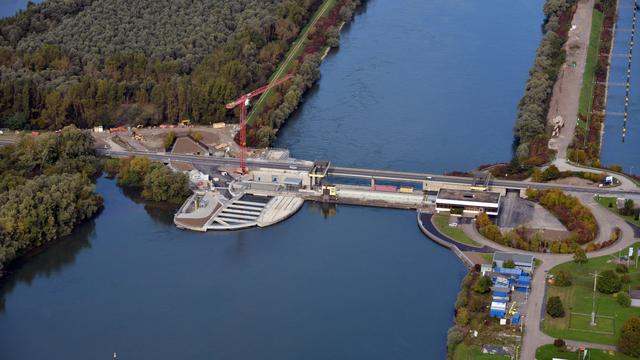
Overall, EnBW's run-of-river hydropower plants have generated only 80% of their reference output by the end of June this year. The month of June alone saw production drop to just 63% of the expected level. Even larger facilities, such as the Rheinkraftwerk Iffezheim on the Rhine, produced around 83% of their reference output by the end of June, with June's production at 70%. Similarly, Neckar River hydropower plants generated 83% of their potential output in the first six months, falling to 61% in June.
DistantNews Editorial
Originally published by Die Zeit in German. Translated, summarized, and contextualized by our editorial team with added local perspective. Read our editorial standards.
More Stories
From Our Blog

What Gets Lost (and Found) When News Is Translated

How the Same Story Looks Different in Different Countries

The Critical Role of Diaspora Media in Global News

What Travellers Should Know About Countries with Restricted Press

A Digital Nomad's Guide to Following Local News
