


Drought-Stricken Rivers: Left and Greens Criticize Government's Low Water Policy
Translated from German, summarized and contextualized by DistantNews.
At a glance
News
Sources not specified
Ongoing story
- German parties Die Linke and the Greens criticize the federal government's response to low water levels in rivers.
- Die Linke opposes planned easing of Sunday and holiday driving bans for trucks, advocating for increased support for inland shipping and rail transport.
- Green party politicians have mixed reactions, with some opposing more trucks on roads and others finding exceptions understandable, while blaming the chancellor for ignoring climate crisis impacts.
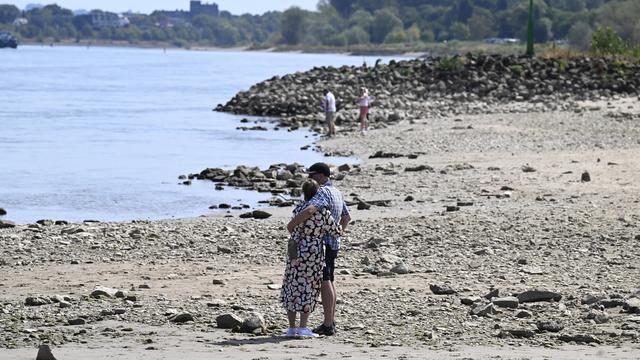
Germany's rivers are suffering from extreme low water levels, prompting criticism of the federal government's handling of the crisis from the left-wing Die Linke party and the Greens.
Die Linke rejects the government's proposal to ease driving bans for trucks on Sundays and holidays. Instead, the party calls for greater support for inland shipping and the creation of additional rail capacity in the short term. They argue that rivers must be prioritized and that the nation needs climate-resilient rail infrastructure.
Sending more trucks onto the roads is the wrong approach.
Within the Green party, opinions are divided. Lisa Badum, the climate policy spokesperson for the Green parliamentary group, stated that sending more trucks onto the roads is the wrong approach. She emphasized the need for year-round measures against the consequences of the climate crisis, asserting that "intact rivers are a priority and a heat-resistant railway."
However, Andreas Audretsch, the deputy leader of the Green parliamentary group, found exceptions to the driving ban to be understandable. He also accused Chancellor Friedrich Merz of the CDU of ignoring the impacts of the climate crisis. The article notes that it is being continuously updated.
We need intact rivers as a priority and a heat-resistant railway.
DistantNews Editorial
Originally published by Die Zeit in German. Translated, summarized, and contextualized by our editorial team with added local perspective. Read our editorial standards.
More Stories



From Our Blog

What Gets Lost (and Found) When News Is Translated

How the Same Story Looks Different in Different Countries

The Critical Role of Diaspora Media in Global News

What Travellers Should Know About Countries with Restricted Press

A Digital Nomad's Guide to Following Local News
