



Drought: Truck driving ban to be further relaxed
Translated from German, summarized and contextualized by DistantNews.
At a glance
News
From a news agency
Context piece
- Several German states are temporarily suspending Sunday and holiday driving bans for trucks due to low water levels on the Rhine River.
- Baden-Württemberg plans to follow North Rhine-Westphalia, Lower Saxony, Rhineland-Palatinate, and Saarland in easing restrictions, initially until the end of August.
- The move aims to alleviate pressure on the German economy, which is suffering from high transport costs and strained supply chains due to reduced shipping capacity on the Rhine.
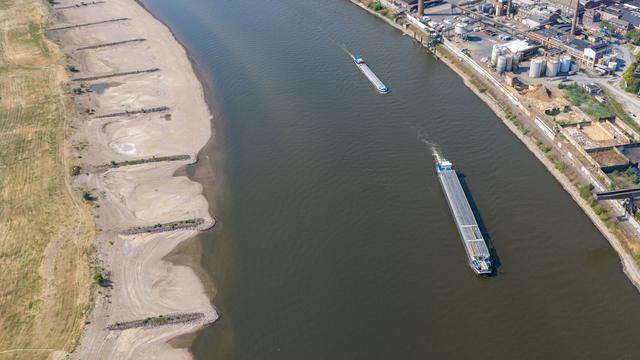
Low water levels on the Rhine River are forcing German authorities to relax truck driving bans on Sundays and holidays. Baden-Württemberg announced it would suspend the restrictions starting this weekend until the end of August, joining several other states that have already implemented similar measures.
The exercise revealed weaknesses in the reporting and alarm chain that we take very seriously.
This decision aims to ease the burden on Germany's economy, which has been struggling for weeks with the consequences of the persistent drought. Low water levels mean ships can carry less cargo, leading to increased transport costs and disrupted supply chains. The suspension of driving bans is intended to provide some relief by allowing more flexibility for truck transport.
Something like Saturday must not happen again.
However, the effectiveness of this measure is being questioned. The German Freight Forwarding, Logistics, and Disposal Association (BGL) stated that lifting the ban does not create additional transport capacity. They emphasized that legal driving and rest times for truckers must still be fully observed, and the existing shortage of over 100,000 drivers in Germany remains a fundamental problem. The association suggested that while important transports can be planned more flexibly, the core capacity issue in road freight transport is not solved by these temporary relaxations.
This has shown that there are still major deficits.
North Rhine-Westphalia's transport minister, Oliver Krischer, noted an increase in truck traffic on the state's autobahns following the initial suspension but reported no major additional traffic jams. He cautioned that it is too early for a definitive assessment and stressed that the exceptions should remain limited. "As soon as the situation on the Rhine allows, goods must return to the waterways," he stated, underscoring the temporary nature of the relief.
There were significant problems with communication.
DistantNews Editorial
Originally published by Die Zeit in German. Translated, summarized, and contextualized by our editorial team with added local perspective. Read our editorial standards.
More Stories


From Our Blog

What Gets Lost (and Found) When News Is Translated

How the Same Story Looks Different in Different Countries

The Critical Role of Diaspora Media in Global News

What Travellers Should Know About Countries with Restricted Press

A Digital Nomad's Guide to Following Local News
