

Drought Withers Hessian Parks; Cities Adapt Watering Strategies
Translated from German, summarized and contextualized by DistantNews.
At a glance
News
Official statement
Context piece
- Hessian cities are struggling to maintain green spaces due to ongoing drought, with some prioritizing young trees over established areas.
- Watering costs in Frankfurt have nearly doubled since 2021, prompting the use of non-potable water sources.
- Cities like Darmstadt and Offenbach are focusing on planting heat- and drought-tolerant species to adapt to changing climate conditions.
Public green spaces in Hessian cities are suffering significantly from the persistent summer drought, leading to withered shrubs and scorched lawns. The condition of these areas depends not only on the dry weather but also on the maintenance strategies employed by each municipality.
Comprehensive watering is neither feasible nor ecologically justifiable.
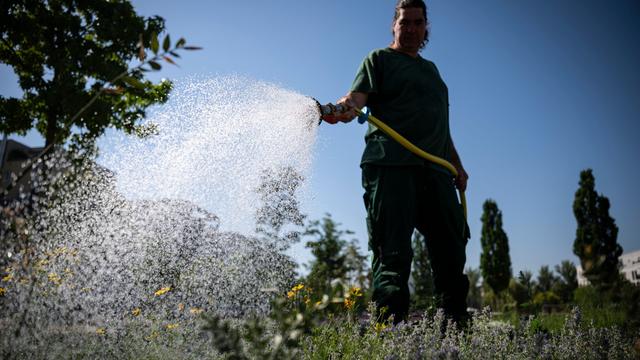
In Kassel, a spokesperson stated that comprehensive watering is neither feasible nor ecologically sound. The city's environmental and garden office prioritizes watering young trees up to their fifth year, while older trees and other vegetation receive less regular attention. Kassel balances water consumption, costs, and ecological benefits, aiming to preserve public greenery despite challenging climatic conditions.
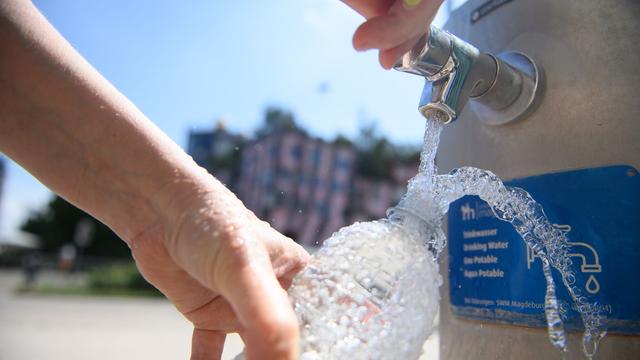
Frankfurt am Main faces escalating costs for watering its green spaces, which rose from 187,000 euros in 2021 to nearly 445,000 euros in 2025. To reduce reliance on drinking water, the city's green spaces department utilizes operational water from sources like groundwater, the Main River, deep wells, and cisterns. Hanau employs cisterns and underground rainwater infiltration systems called 'Baumrigolen' for irrigation.
The city of Kassel pursues the goal of preserving public green spaces even under increasingly difficult climatic conditions.
Other cities are adapting by selecting resilient plant species. Offenbach is prioritizing heat- and drought-tolerant varieties in new plantings, a strategy also favored by Darmstadt. Darmstadt emphasizes that planting such species is the best form of heat prevention and notes that its city trees receive more watering than before, as they significantly impact the urban climate. The city invests at least 260,000 euros per season solely for watering its trees, while relying on natural regeneration for park lawns. Frankfurt is also experimenting with sensors to monitor trees' water needs through the 'News' project.
This is the best heat prevention.
DistantNews Editorial
Originally published by Die Zeit in German. Translated, summarized, and contextualized by our editorial team with added local perspective. Read our editorial standards.
More Stories

From Our Blog

What Gets Lost (and Found) When News Is Translated

How the Same Story Looks Different in Different Countries

The Critical Role of Diaspora Media in Global News

What Travellers Should Know About Countries with Restricted Press

A Digital Nomad's Guide to Following Local News
