


Drowning the future
Summarized and contextualized by DistantNews.
At a glance
Analysis
Sources not specified
Context piece
- Pakistan faces recurring floods that cause significant damage to infrastructure and result in loss of life.
- The article argues that the true casualty of these floods is not the visible destruction but the long-term impact on children's education and health.
- With a large youth population and insufficient government spending on health and education, Pakistan's future is jeopardized by the ongoing disaster cycle.
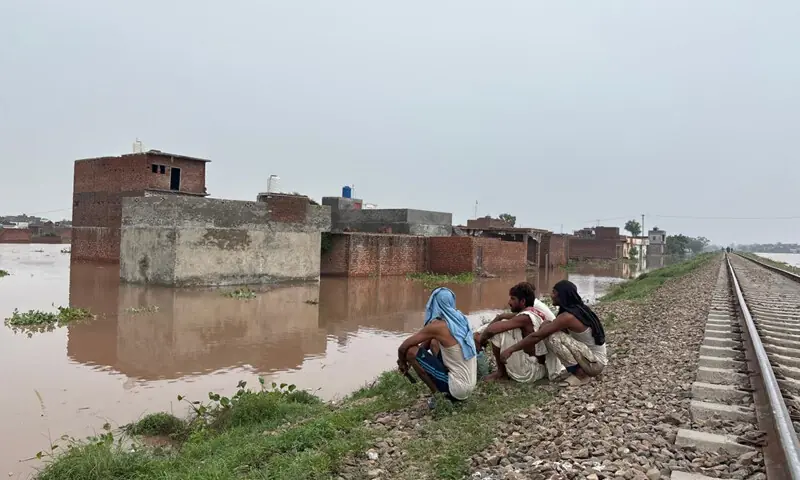
Pakistan is once again grappling with devastating floods, a recurring crisis that leaves a trail of destruction. While the immediate focus will inevitably be on counting the dead and tallying the damage to roads, bridges, and embankments, the article contends that this assessment misses the most critical casualty: the future of the nation's children.
The floods, like those that have preceded them, are not merely destroying physical infrastructure. They are dismantling the educational foundations of millions. Children are missing crucial weeks of school, disrupting their learning and development. This educational disruption, coupled with increased health risks such as severe acute malnutrition and malaria contracted from collapsed sanitation systems, creates a long-term crisis that rebuilding roads cannot fix.
Pakistan's demographic reality, 40 percent of its population under 15 and 93 million children of school age, underscores the urgency. Decades of underinvestment in health (less than 1 percent of GDP) and education (less than 2 percent of GDP), even amidst repeated disasters, have left the country vulnerable. The article argues that the cycle of destruction and inadequate response is drowning Pakistan's future, a consequence far more profound than the immediate economic costs.
DistantNews Editorial
Originally published by Dawn. Summarized and contextualized by our editorial team with added local perspective. Read our editorial standards.
More Stories
From Our Blog

What Gets Lost (and Found) When News Is Translated

The Critical Role of Diaspora Media in Global News

What Travellers Should Know About Countries with Restricted Press

A Digital Nomad's Guide to Following Local News

How the Same Story Looks Different in Different Countries
