

Drug Traffickers Threaten Brazil's Indigenous Peoples; Ashaninka Denounce Armed Incursions in Amazon
Translated from Spanish, summarized and contextualized by DistantNews.
At a glance
News
Sources not specified
Context piece
- The Ashaninka indigenous people in Brazil, known for successfully reclaiming their territory and establishing self-governance, now face threats from drug traffickers invading their lands.
- Indigenous leaders report increasing violence and armed incursions, using the Amazon's rivers and surrounding areas for drug trafficking, and have requested government protection.
- Experts highlight that protecting indigenous lands is crucial for curbing Amazon deforestation, but the dense forests also provide cover for criminal activities, leaving communities vulnerable.
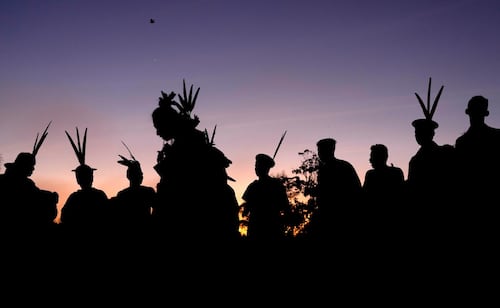
The Ashaninka indigenous people of Brazil, long celebrated for reclaiming their territory from settlers three decades ago and establishing a successful model of self-governance and sustainable living in the Amazon, are now facing a violent threat to their way of life. Drug trafficking gangs are increasingly invading their lands, utilizing the Amazon's vast river systems and remote areas for illicit activities.
Leaders from the Ashaninka community have reported escalating violence and armed incursions, including incidents this month. They have formally requested protection from Brazilian authorities, seeking a meeting with officials in the capital. While security forces have been deployed, indigenous groups note that such presence is often temporary, contrasting sharply with the persistent nature of the threats they face.
There is an institutional and intercultural blind spot in the public security services provided to indigenous peoples.
These invasions are part of a broader transformation occurring along the Amazonian frontier, driven by expanding criminal routes, which experts refer to as the "Solimões River route." Indigenous territories are strategically important for this route. Experts emphasize that safeguarding these lands is one of the most effective strategies for combating deforestation in the Amazon, a critical global climate regulator.
However, the very forests that indigenous communities help protect also render them vulnerable. The dense, remote, and difficult-to-access tree cover offers ideal hiding places for drug traffickers. Despite appeals to authorities, the Ashaninka and other indigenous peoples argue that the Brazilian government's assistance remains insufficient. A police officer familiar with the region noted an "institutional and intercultural blind spot" in public security services provided to indigenous communities, stating that while the state formally recognizes their territories, it fails to translate this recognition into continuous protection tailored to their specific needs.
The State formally recognizes their territories, but fails to translate that presence into continuous protection adapted to their specific needs.
DistantNews Editorial
Originally published by El Universal in Spanish. Translated, summarized, and contextualized by our editorial team with added local perspective. Read our editorial standards.
More Stories
From Our Blog

What Press Freedom Means for the News You Read

What Gets Lost (and Found) When News Is Translated

The Critical Role of Diaspora Media in Global News

What Travellers Should Know About Countries with Restricted Press

A Digital Nomad's Guide to Following Local News
