

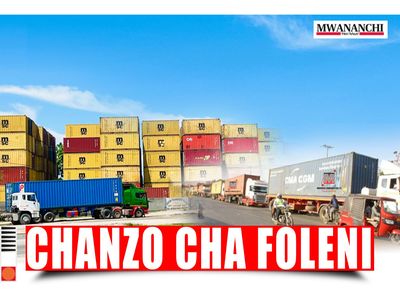
Dry ports, waiting for cargo cause traffic jams in Dar
Translated from Swahili, summarized and contextualized by DistantNews.
At a glance
News
Sources not specified
Context piece
- Truck drivers in Dar es Salaam cite a shortage of parking, delays in loading/unloading, and long waits for cargo as reasons for road congestion near dry ports.
- The increase in dry ports and insufficient infrastructure are contributing to traffic jams in the city.
- The government plans to shift cargo transport to rail to the Kwala Dry Port to alleviate congestion.
Truck drivers in Dar es Salaam are expressing frustration over significant traffic congestion, particularly around the city's numerous dry ports. They attribute the problem to a lack of adequate parking, lengthy delays in cargo loading and unloading services, and extended waiting times for "mchongo," a term for securing cargo.
These issues force trucks to park along roadsides, exacerbating traffic jams. Compounding the problem are insufficient loading and unloading machinery and informal garages operating along the roads. Owners of dry ports note that the volume of cargo passing through Dar es Salaam Port has surpassed the capacity of existing infrastructure, with 110,000 containers entering the country monthly and requiring transfer to dry ports.
Temeke district alone hosts 74 dry ports, representing 64.3% of the city's total. The government, through the Ministry of Transport, is implementing a strategic plan to move over 90% of cargo transport to the Kwala Dry Port via rail, aiming to ease the burden on city roads. Additionally, the Minister of Construction has launched a "Foleni Challenge" innovation competition to gather youth and stakeholder ideas for reducing traffic congestion.
DistantNews Editorial
Originally published by Mwananchi in Swahili. Translated, summarized, and contextualized by our editorial team with added local perspective. Read our editorial standards.
More Stories


From Our Blog

What Gets Lost (and Found) When News Is Translated

The Critical Role of Diaspora Media in Global News

What Travellers Should Know About Countries with Restricted Press

A Digital Nomad's Guide to Following Local News

How the Same Story Looks Different in Different Countries
