


DSS and Security Agencies Dislodge ESN Camps, Kill Two Commanders in Imo State
Translated from English, summarized and contextualized by DistantNews.
At a glance
News
Sources not specified
Outcome reported
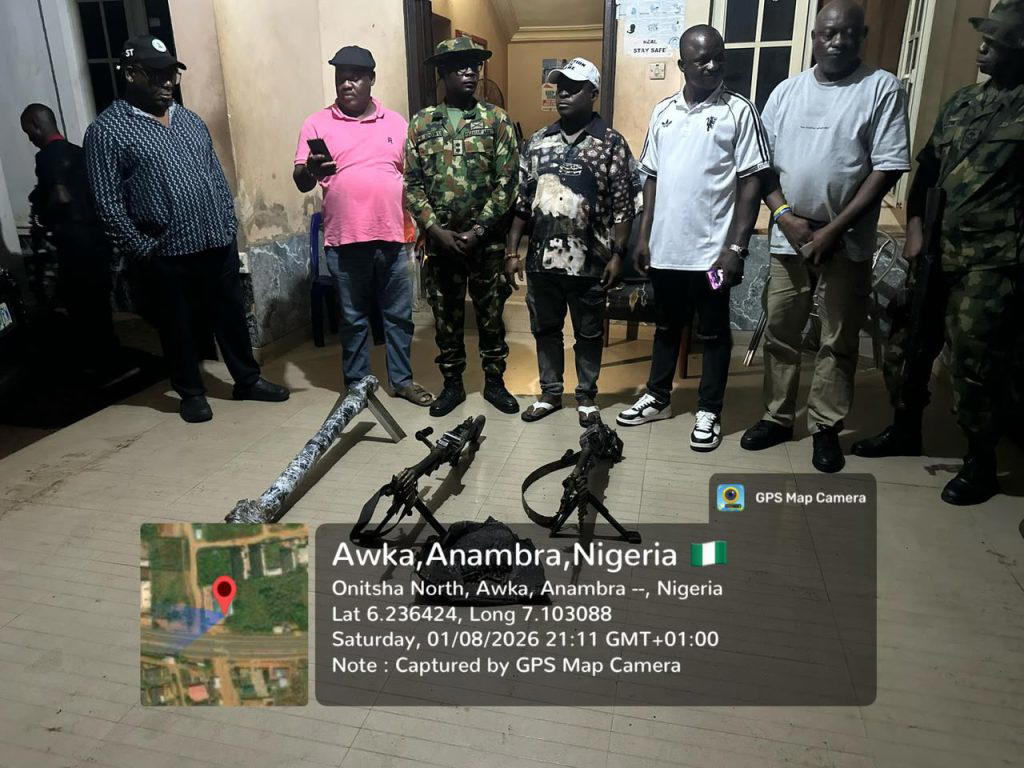
- Security agencies, led by the Department of State Services (DSS), have successfully dismantled camps belonging to the Eastern Security Network (ESN) in Imo State.
- The operation resulted in the deaths of two ESN commanders.
- This action is part of ongoing counter-insurgency efforts aimed at weakening the operational capacity of suspected militant groups in the region.
Security forces in Imo State have intensified operations against suspected Eastern Security Network (ESN) militants, leading to the dislodging of several camps and the elimination of two commanders. The Department of State Services (DSS) spearheaded the counter-insurgency efforts, which have reportedly weakened the operational capabilities of the ESN in the region.
The sustained operations signify a determined push by Nigerian security agencies to curb the activities of militant groups that have been a source of instability. The success in dismantling ESN camps and neutralizing key figures like the two commanders is presented as a significant blow to the network's infrastructure and leadership.
While the report details the operational successes, it underscores the ongoing nature of the conflict. The phrase "sustained counter-insurgency operations" implies that this is part of a broader, continuing campaign rather than a singular event. The focus remains on weakening the ESN's capacity, suggesting that the threat, though diminished in specific locations, is not entirely eradicated.
The actions taken by the DSS and other security agencies highlight the government's commitment to addressing internal security challenges. The dislodging of these camps is intended to restore order and safety in the affected areas, demonstrating a proactive approach to combating insurgency and maintaining national security.
DistantNews Editorial
Originally published by ThisDay in English. Translated, summarized, and contextualized by our editorial team with added local perspective. Read our editorial standards.
More Stories


From Our Blog

How the Same Story Looks Different in Different Countries

What Gets Lost (and Found) When News Is Translated

The Critical Role of Diaspora Media in Global News

What Travellers Should Know About Countries with Restricted Press

A Digital Nomad's Guide to Following Local News
