

'Each El Niño Episode is Unique,' Says WMO Climate Prediction Lead
Translated from Spanish, summarized and contextualized by DistantNews.
At a glance
News
Named sources
Ongoing story
- The World Meteorological Organization (WMO) warned of a high probability of an El Niño episode by the end of August.
- El Niño is expected to cause more extreme weather and precipitation, but its intensity is difficult to predict.
- The phenomenon has global impacts, causing droughts in some regions and heavy rains in others, with each episode being unique.
The World Meteorological Organization (WMO) has issued a warning regarding the high likelihood of an El Niño episode occurring before the end of August. Wilfran Moufouma Okia, the WMO's climate prediction lead, stated that while the natural climate phenomenon is expected to bring more extreme weather and precipitation, its precise intensity remains difficult to forecast at this stage.
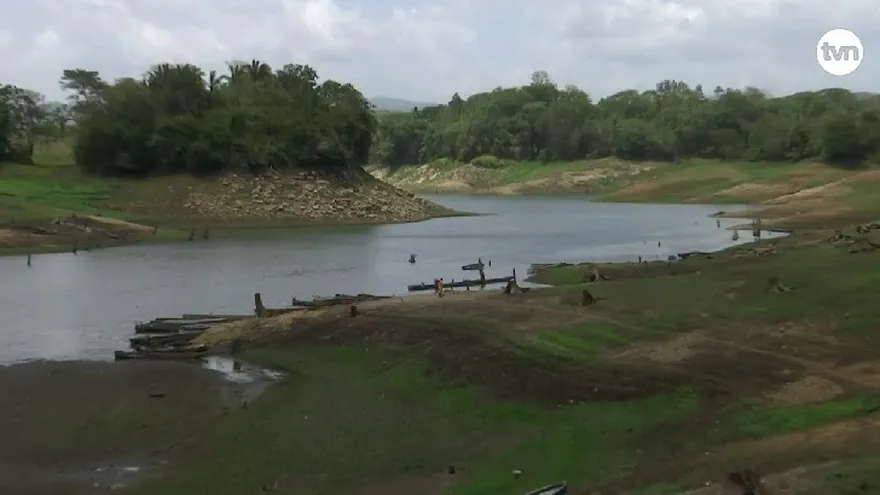
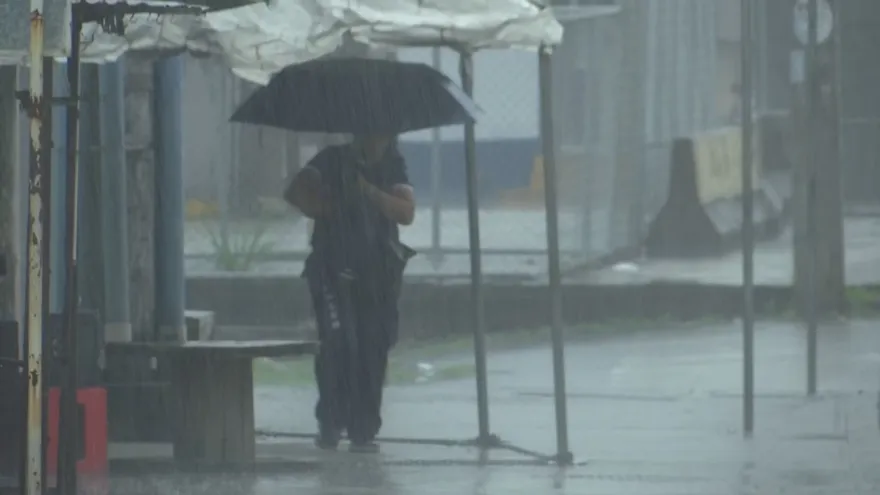
When El Niño occurs, droughts are expected in West Africa, the Sahel, South Africa, Australia, and Southeast Asia. By contrast, other regions experience abundant rainfall, such as the southeastern United States and, especially, the equatorial Pacific region. Therefore, different regions will react differently to the phenomenon.
Moufouma Okia explained that El Niño causes a temporary warming effect, originating in the tropics but influencing vast areas of the globe. "When El Niño occurs, droughts are expected in West Africa, the Sahel, South Africa, Australia, and Southeast Asia," he noted. Conversely, regions like the southeastern United States and the equatorial Pacific region are likely to experience abundant rainfall. He emphasized that the impact varies significantly by region, and "each El Niño episode is unique."
But it is important to highlight that each El Niño episode is unique. One could think that a [...] weak one will not have consequences, but that is not the case. Depending on the country and the context, the consequences can be as damaging as in the case of strong episodes.
He cautioned against assuming that a weak El Niño would have no consequences. "Depending on the country and the context, the consequences can be as damaging as in the case of strong episodes," Moufouma Okia stated. The WMO will share its findings with national meteorological services, but local adaptation remains the responsibility of individual countries. The organization's models provide predictions up to six months in advance, offering countries time to prepare.
The WMO models are capable of making predictions six months in advance. So we expect that countries have had time to anticipate.
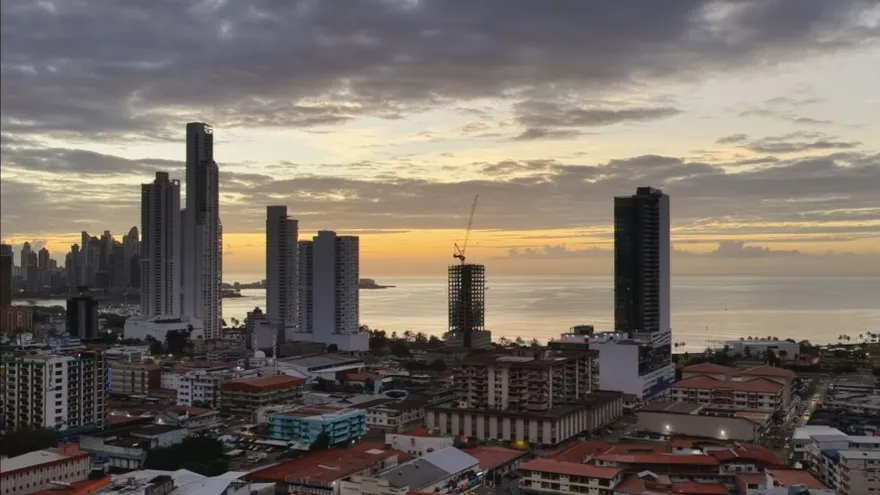
Moufouma Okia highlighted that international cooperation in meteorology is improving, with countries sharing more data, even those in conflict. This collaboration is crucial for accurate predictions. He pointed to the 2023-2024 El Niño episode, where a decrease in rainfall in Panama affected the Panama Canal and, consequently, the global economy. Despite challenges, he noted that fewer victims were reported in 2023-2024 compared to the 1997 episode, suggesting better preparedness or lessons learned from past events.
There were fewer victims in 2023-2024 than in 1997. So we can assume that countries are better prepared, or that they have learned from previous events.
DistantNews Editorial
Originally published by TVN Panamá in Spanish. Translated, summarized, and contextualized by our editorial team with added local perspective. Read our editorial standards.
More Stories


From Our Blog

What Gets Lost (and Found) When News Is Translated

The Critical Role of Diaspora Media in Global News

What Travellers Should Know About Countries with Restricted Press

A Digital Nomad's Guide to Following Local News

How the Same Story Looks Different in Different Countries
