


Early warning could have saved lives in Nepal; glacier now threatens new collapse
Translated from Danish and summarized by DistantNews. Read the original for the full story.
At a glance
News
Sources not specified
Context piece
- A catastrophic glacial landslide in Nepal has killed an unknown number of people and caused widespread destruction.
- Scientists warn of an increased risk of a new, major landslide in the area.
- Global warming is cited as a likely contributing factor to the disaster.
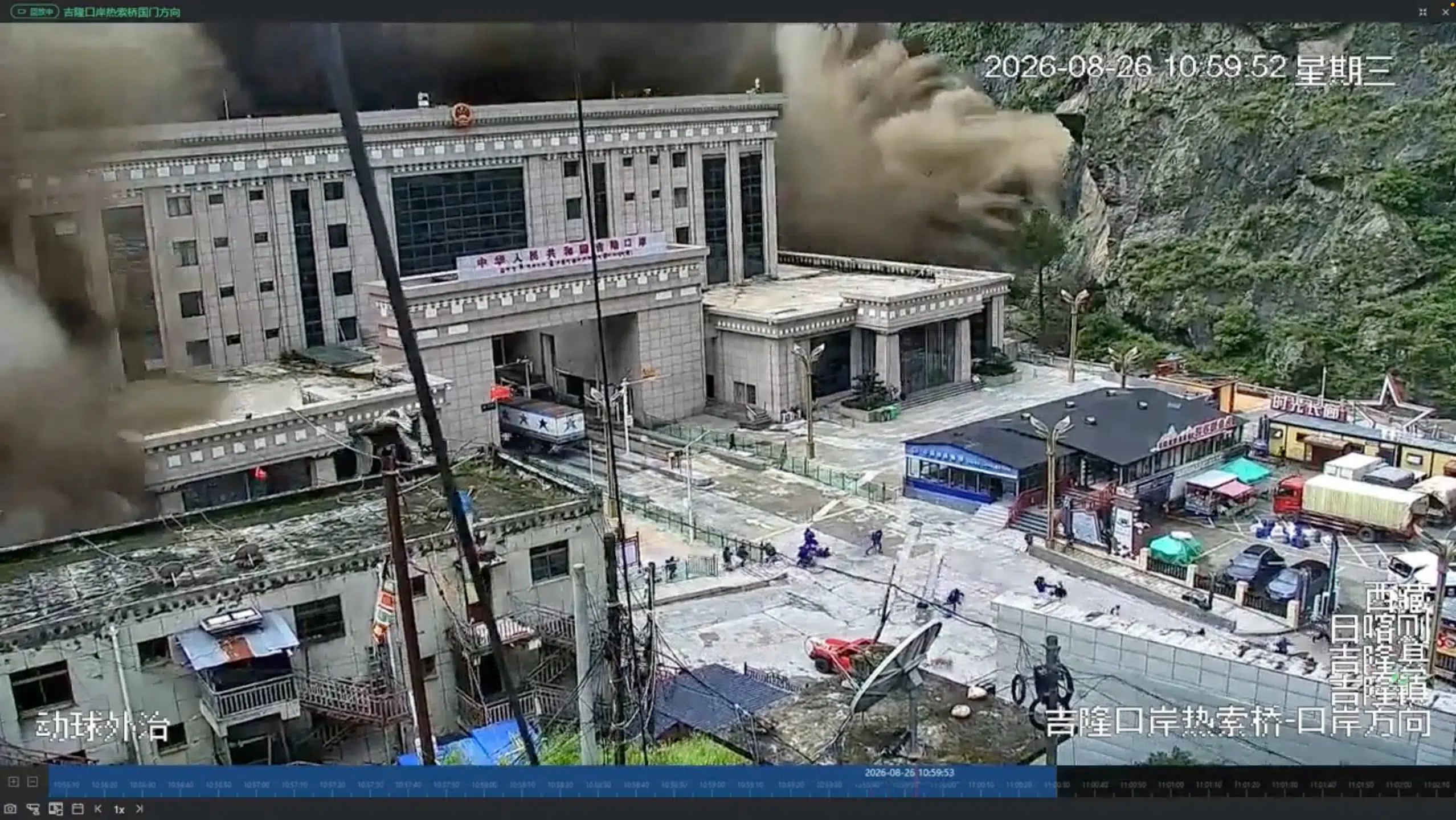
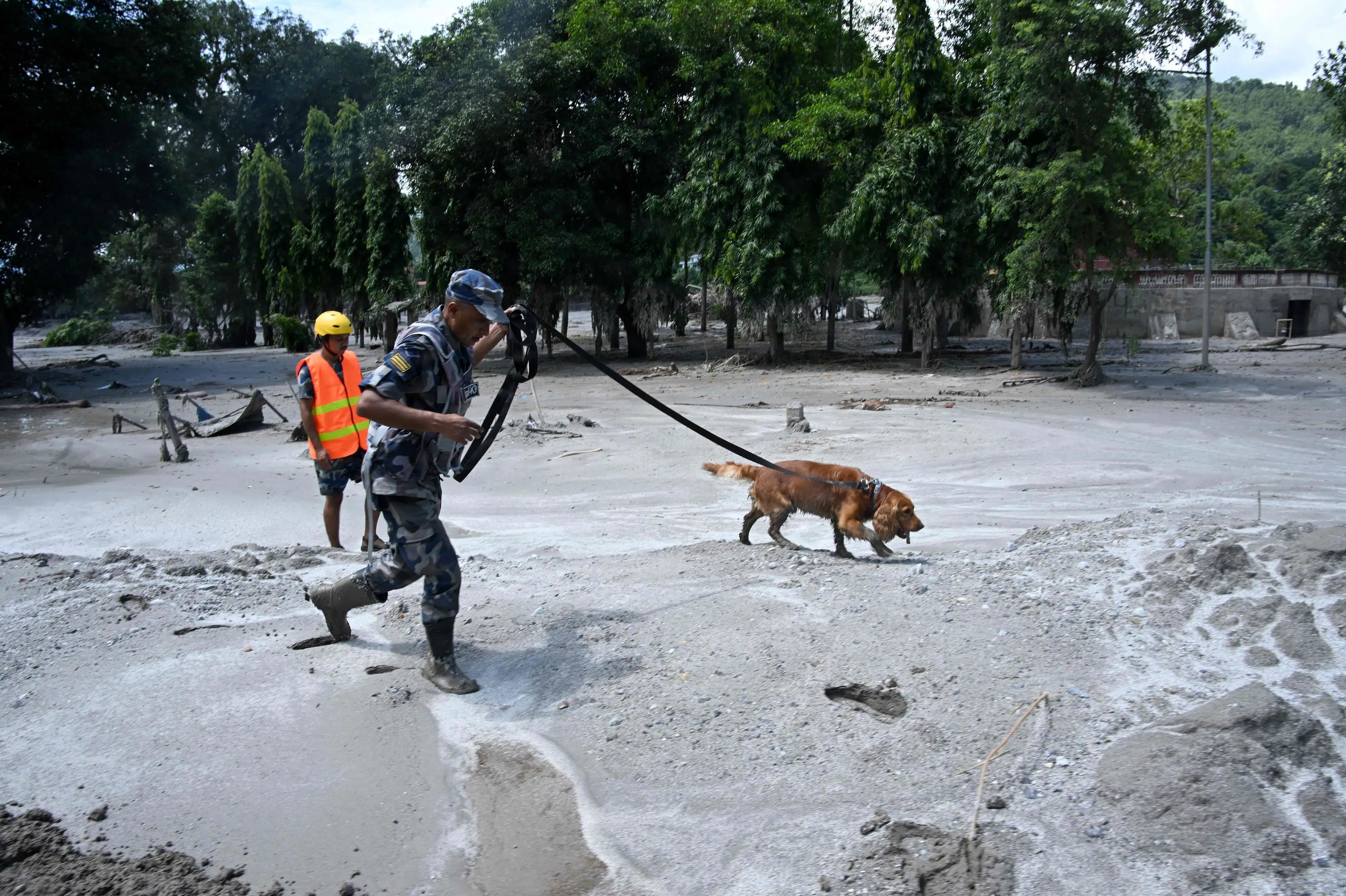
Rescue efforts are underway in Nepal following a devastating glacial landslide that swept through the Gyirong Valley, near the border with Tibet. The disaster, described as a colossal wall of mud, ice, and rock, obliterated a border control building and everything in its path. Video footage of the event is reportedly so harrowing that several media outlets have chosen to censor it.
Scientists are now warning of an escalating threat, with the increasing danger of a new, significant landslide in the already devastated region. This heightened risk is attributed, in part, to the impacts of global warming, which scientists say is driving climate developments paralleled only by periods 56 million years ago.
The scale of destruction is immense, with panicked people seen in footage struggling in vain to escape the advancing debris. The landslide's force completely overwhelmed the area, leaving behind ruins and mud. The full extent of casualties and damage is still being assessed as rescue teams meticulously search the debris.
This event highlights the growing vulnerability of Himalayan regions to climate change-induced natural disasters. The combination of melting glaciers and extreme weather patterns poses a significant threat to communities living in these fragile mountain ecosystems.
About this summary
Originally published by Berlingske in Danish. Translated, summarized, and contextualized automatically by DistantNews, with a note on how the source frames the story. Not individually reviewed before publishing. How this works.
More Stories

From Our Blog

What Gets Lost (and Found) When News Is Translated

The Critical Role of Diaspora Media in Global News

What Travellers Should Know About Countries with Restricted Press

A Digital Nomad's Guide to Following Local News

How the Same Story Looks Different in Different Countries
