


Nepal and Tibet floods leave at least 472 dead, hundreds missing
Translated from Danish and summarized by DistantNews. Read the original for the full story.
At a glance
News
From a news agency
Ongoing story
- At least 472 people have died in severe floods that struck Nepal and Tibet.
- Nepal's death toll stands at 469, while three deaths have been confirmed in Tibet.
- Over 1,400 people remain missing, with many foreign tourists feared to be among them.
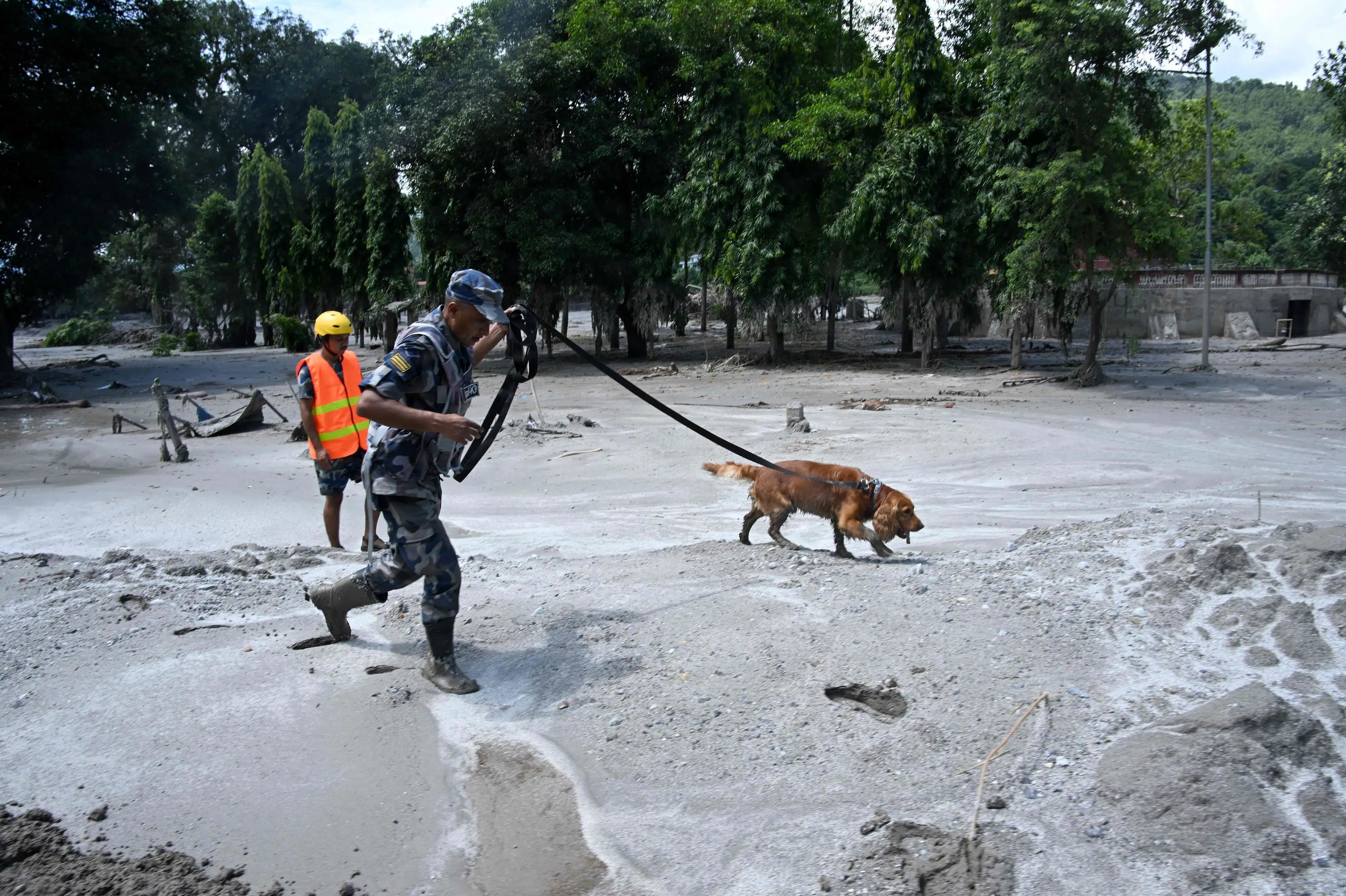
Devastating floods in Nepal and Tibet have claimed at least 472 lives, with authorities reporting a grim tally of 469 deaths in Nepal alone. Chinese state media confirmed three fatalities in Tibet, bringing the total to 472. The disaster has left more than 1,400 people missing, a figure that includes hundreds of foreign tourists who were trekking in the Himalayan region.
The torrent of water and mud surged through the Lhende Khola river valley in northern Nepal, sweeping away homes, bridges, and vehicles. Several villages were submerged by the immense water volumes, described by witnesses as an "inland tsunami." The scale of destruction highlights the vulnerability of communities in the mountainous region to extreme weather events.
According to the U.S. Geological Survey (USGS), the catastrophe was triggered by a glacial collapse in the Himalayas, which preceded the massive landslide. This geological event unleashed the destructive force that has devastated the region.
As rescue efforts intensify, Chinese authorities have issued warnings of potential new floods. The muddy water from Wednesday's deluge has formed an artificial lake, which risks expanding due to anticipated rainfall in the coming days. This ongoing threat underscores the precarious situation faced by both the affected populations and the rescue teams working tirelessly to find the missing.
About this summary
Originally published by Berlingske in Danish. Translated, summarized, and contextualized automatically by DistantNews, with a note on how the source frames the story. Not individually reviewed before publishing. How this works.
More Stories


From Our Blog

What Gets Lost (and Found) When News Is Translated

The Critical Role of Diaspora Media in Global News

What Travellers Should Know About Countries with Restricted Press

A Digital Nomad's Guide to Following Local News

How the Same Story Looks Different in Different Countries
